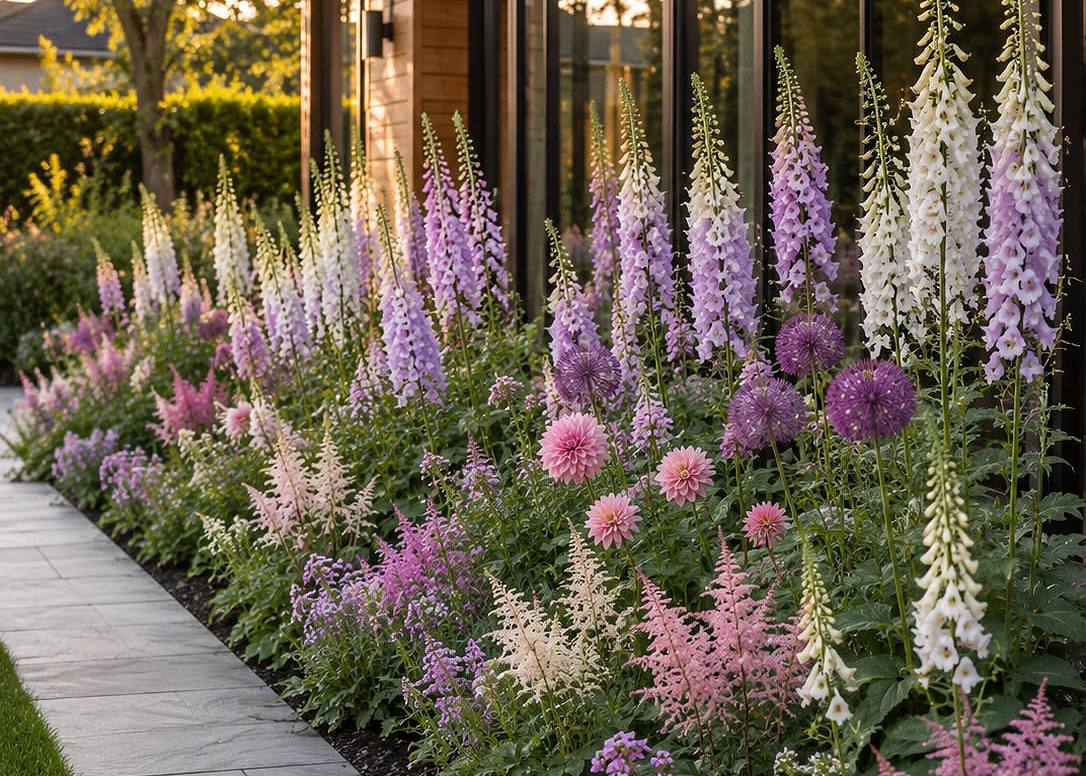
Conversations about a landscape project often begin with practical questions about planting palettes, paving materials, outdoor furniture, or the desired visual style of the site. However, truly professional work requires a much broader perspective. Before discussing individual elements, it is essential to understand how the client lives, relaxes, entertains guests, begins each morning, returns home in the evening, and interacts with outdoor spaces throughout the changing seasons. Martin Palma, founder and CEO of Ecolandscape Studio, notes that every successful concept begins not with the selection of plants, but with a deep understanding of the client’s lifestyle, because everyday routines ultimately determine the true structure of the future landscape.
The first stage of collaboration therefore extends far beyond discussing physical components. When conversations focus exclusively on materials, trees, shrubs, or architectural features, a project risks becoming a collection of attractive but disconnected solutions. A professional studio first studies the client’s daily rhythm, the frequency of outdoor use, expectations for privacy, level of social activity, attitude toward maintenance, and long term expectations for the property. Specialists at Ecolandscape Studio analyze these details as the foundation of the entire design strategy because they reveal whether the environment should feel intimate, open, family oriented, representative, peaceful, or multifunctional.
Another essential layer of the process involves habits that clients themselves may not consider particularly important. Where do they prefer to enjoy their morning coffee? Do they appreciate short walking routes around the property? How often does the family gather outdoors? Is a quiet retreat needed after work? Should the space accommodate children, guests, or moments of complete privacy? The answers to these questions influence spatial planning far more profoundly than the initial selection of plant species. At Ecolandscape Studio, we analyze lifestyle as an architectural design resource because circulation patterns, gathering areas, viewpoints, openness, and the logic of everyday use all emerge directly from the way people actually live.
An equally important responsibility is translating emotional aspirations into professional design decisions. Clients often describe their expectations using words such as comfort, elegance, simplicity, exclusivity, or a natural atmosphere. These emotional expressions must be transformed into measurable spatial principles. Comfort may require protected outdoor areas, soft shade, and warm material textures. A premium atmosphere may be achieved through restrained composition, timeless materials, and precise detailing. Natural character often depends not on abundant planting alone, but on thoughtful integration of topography, seasonal dynamics, and smooth transitions throughout the landscape. Specialists at Ecolandscape Studio note that shifting the conversation from descriptive words to real life scenarios helps eliminate superficial design solutions.
The practical value of this methodology becomes especially clear once the project enters long term use. When a landscape is designed around the client’s lifestyle rather than temporary visual trends, it remains functional and relevant for many years. The environment does not lose its appeal immediately after completion because it responds to genuine human habits instead of short lived aesthetic preferences. At Ecolandscape Studio, we believe that plants and materials should always be selected only after the living logic of the site has been fully understood. Every design element then becomes part of an integrated system that supports daily comfort while strengthening the property’s long term value.
Ultimately, this shift in perspective transforms the entire relationship between the studio and the client. Instead of concentrating only on appearance, the conversation evolves into a professional exploration of future living experience. This approach minimizes the risk of inappropriate design decisions, creates highly personalized concepts, and allows clients to see the project as more than simply a beautiful landscape. They begin to recognize it as an environment genuinely aligned with the rhythm of their lives. At Ecolandscape Studio, we see this methodology as one of the defining principles of mature landscape architecture. Every outstanding project begins by understanding the person first and selecting plants, materials, and visual language only after that understanding has been achieved.