Every weekend, millions of homeowners bag up their grass clippings and fallen leaves and drag them to the curb. It feels tidy. It feels responsible. But from a landscape design perspective, it is one of the most wasteful habits in residential garden care. What gets hauled away is actually free, nutrient-rich material that your soil is quietly asking for.
At Ecolandscape Studio, we work with homeowners on everything from backyard landscaping ideas to full residential landscape design projects, and one of the most consistent pieces of advice we give is simple: stop sending organic material off your property. Use it instead.
When you leave grass clippings on the lawn after mowing, they break down quickly and return nitrogen directly to the soil. This process, sometimes called grasscycling, can reduce the need for synthetic fertilizer by up to 25%. That is not a small number when you consider how much fertilizer a typical yard goes through in a season.
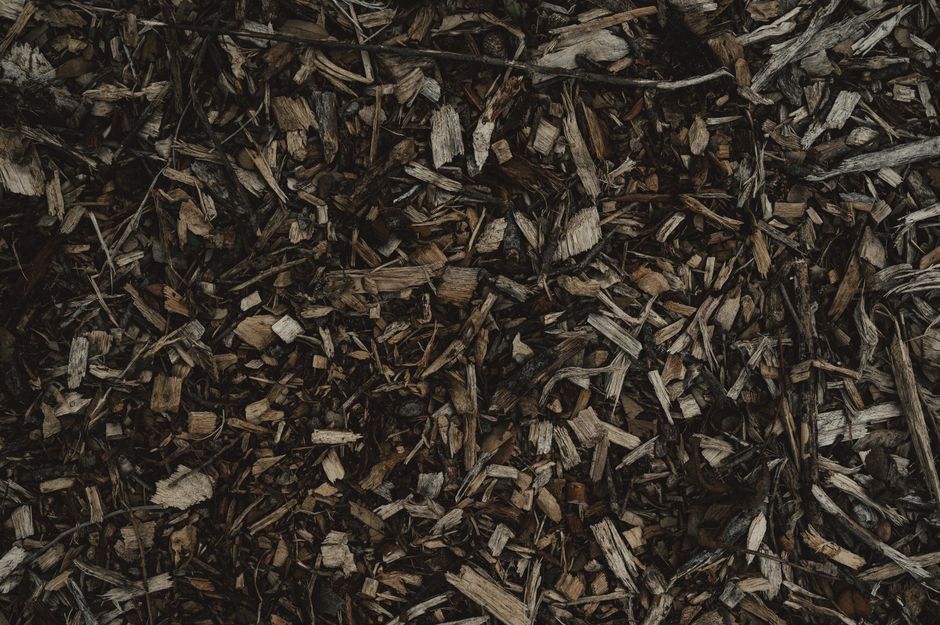
Fallen leaves work in a similar way. Whole leaves can mat together and block water from reaching the soil, but shredded leaves spread across garden beds act as a slow-release mulch layer. They regulate soil temperature, reduce moisture loss, suppress weed growth, and gradually decompose into organic matter that improves soil structure. For anyone working on a low maintenance garden design or a drought tolerant garden design, this kind of natural mulch is genuinely valuable.
The layer does not need to be thick. Two to three inches of shredded leaf mulch across planting beds is enough to make a measurable difference. You can use a standard lawn mower to shred leaves directly on the grass, then rake the material into beds or leave a thin layer on the turf itself.
Martin Palma, founder and CEO of Ecolandscape Studio, has seen this play out across dozens of residential projects. In his experience, clients who start using leaf litter as mulch consistently report healthier soil within a single growing season, and many reduce their irrigation needs noticeably because the mulch layer holds moisture so effectively. He points out that this is especially relevant in yard landscaping design projects where water-wise landscaping and xeriscape garden design principles are part of the plan from the beginning.
The easiest starting point is to adjust your mowing habit. Instead of bagging clippings, set your mower to mulch mode or simply raise the blade slightly and mow over fallen leaves to shred them in place. The resulting material can stay on the lawn or be moved to garden beds around trees, shrubs, or perennial plantings.
For front yard landscaping ideas that include native plant garden design or pollinator garden design, leaf litter has an added benefit that goes beyond soil nutrition. Many native bee species and beneficial insects overwinter in leaf debris. Removing every leaf from your garden beds in autumn can actually reduce the population of pollinators that return in spring. Leaving a modest layer of leaves in less visible areas of the yard supports that ecosystem without making the garden look neglected.
If you are working with a small backyard design or a more structured modern garden design, you may prefer to compost the material first and apply finished compost rather than raw leaf mulch. Both approaches work. Composting takes longer but produces a more uniform material that blends cleanly into refined planting design schemes.
One thing to keep in mind: avoid using clippings from lawns that have been recently treated with herbicides or pesticides. That material should be bagged and disposed of separately until the chemicals have cleared, typically after two or three mowing cycles depending on the product used.
For homeowners exploring lawn alternatives or working on a rain garden design, incorporating organic mulch from on-site material fits naturally into a broader sustainable landscaping approach. It reduces the need for purchased inputs, keeps organic matter cycling through the soil, and supports the kind of healthy, living ground that makes plants more resilient over time.
The financial side is straightforward. Bagged mulch, compost, and fertilizer all cost money. Grass clippings and fallen leaves cost nothing. Redirecting that material back into your outdoor living space design instead of sending it to landfill is one of the most practical decisions a homeowner can make, and it requires almost no extra effort once the habit is established.
If you are planning a garden refresh or starting a new residential landscape design project, this is a good moment to rethink how organic material moves through your property. The soil beneath your garden is a living system, and it responds well when you work with it rather than against it.









