Keeping a yard looking polished without spending every weekend on upkeep is something most homeowners genuinely want. The good news is that smart residential landscape design makes this completely achievable. With the right plant choices, materials and layout decisions, your outdoor space can stay attractive through every season with minimal effort on your part.
At Ecolandscape Studio, we work with homeowners who want beautiful results without the constant maintenance cycle. These 13 ideas reflect what actually works in practice, not just in theory.
One of the most effective moves in low maintenance garden design is replacing traditional grass with lawn alternatives. Ground covers like creeping thyme, clover or ornamental grasses spread naturally, require far less water and eliminate the need for regular mowing. They also add texture and visual interest that a standard lawn simply cannot offer.
Mulching garden beds is another straightforward strategy that pays off consistently. A layer of organic mulch suppresses weeds, retains soil moisture and reduces how often you need to water. It also breaks down over time and improves soil quality, which benefits your planting design in the long run.
Choosing native plant garden design is one of the most practical decisions you can make. Native plants are already adapted to your local climate, soil and rainfall patterns. They need less supplemental watering, fewer fertilizers and are naturally more resistant to local pests. Pairing them with drought tolerant garden design principles creates a yard that largely takes care of itself.
Grouping plants by their water needs, a practice known as hydrozoning, is a simple technique that makes irrigation far more efficient. When thirsty plants are placed together and drought tolerant species are grouped separately, you avoid overwatering some areas while underwatering others. This approach supports water wise landscaping and reduces your overall water use noticeably.
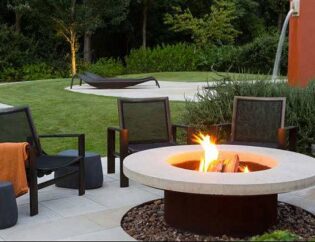
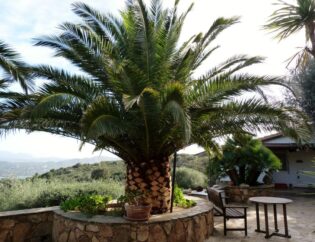
Hardscaping is another reliable way to reduce maintenance demands. Patios, gravel paths, stone borders and decorative pavers replace areas that would otherwise require mowing, edging or replanting. Patio landscaping ideas that incorporate permeable materials also help manage stormwater naturally, which connects well with rain garden design principles for properties that deal with runoff.
Martin Palma, founder and CEO of Ecolandscape Studio, often points out that the biggest maintenance problems he sees in residential yards come from the initial design stage, not from neglect. When plants are placed without considering their mature size, or when irrigation is set up without accounting for different water needs across zones, homeowners end up doing far more corrective work than they should. Getting the layout right from the beginning saves years of unnecessary effort.
Pollinator garden design has grown in popularity, and for good reason. Planting flowering perennials that attract bees and butterflies creates a dynamic, living garden that largely manages itself. Perennials return each year without replanting, and many of them are also drought tolerant, making them a natural fit for low effort yard landscaping design.
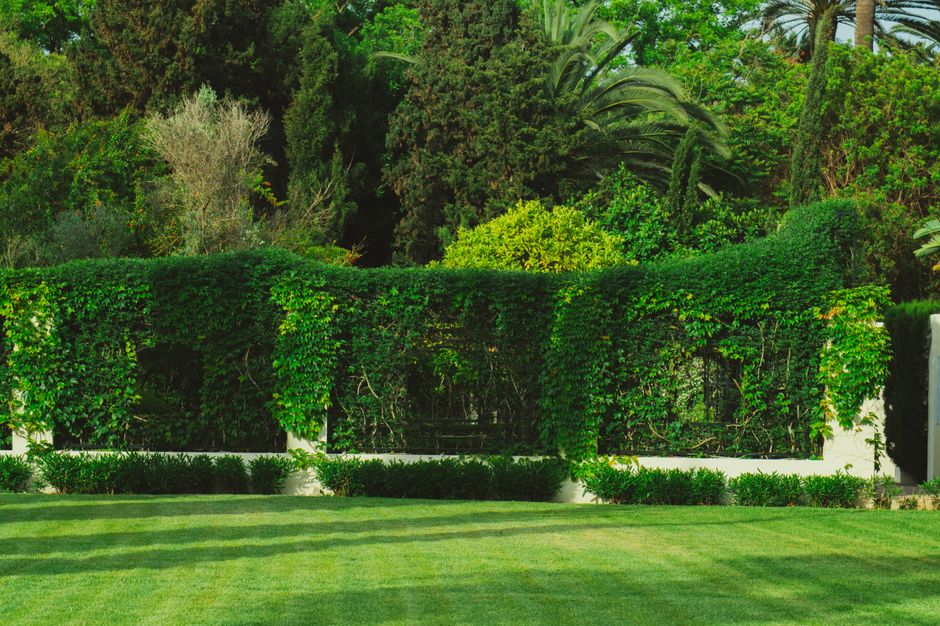
Privacy landscaping using dense shrubs or ornamental grasses is a smart alternative to fencing. Plants like arborvitae, bamboo or tall ornamental grasses create natural screens that soften the yard’s appearance while reducing the need for structural maintenance. They also add seasonal interest and support local wildlife.
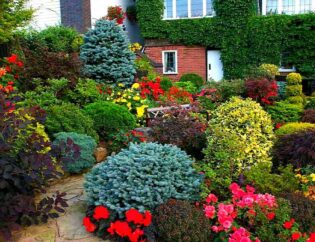
For front yard landscaping ideas, consider replacing high-maintenance flower beds with a mix of evergreen shrubs, decorative stone and a few well-chosen accent plants. This approach keeps the front of your property looking neat year-round without requiring constant replanting or trimming.
Landscape lighting ideas are often overlooked in maintenance planning, but solar-powered or low-voltage LED systems are worth considering. They require almost no upkeep, improve safety and extend the usability of your outdoor living space into the evening hours.
Garden edging ideas like steel, stone or composite borders keep lawn and bed areas cleanly separated. A defined edge reduces the spread of grass into planting beds and cuts down on the hand-trimming that most homeowners find tedious.
Xeriscape garden design, which focuses on water-efficient landscaping through plant selection and soil preparation, is particularly valuable in drier climates. But even in wetter regions, the core principles of reducing unnecessary water use and choosing resilient plants apply broadly to any home garden design.
Fire resistant landscaping is increasingly relevant for properties in areas prone to dry summers. Choosing plants with high moisture content, avoiding dense plantings close to structures and using gravel or stone mulch near the home are all practical steps that reduce risk while keeping the yard attractive.
Taken together, these ideas represent a shift in how we think about yard care. Rather than fighting against your environment, the goal is to design with it. When your outdoor space is planned around the right plants, materials and layout, it rewards you with consistent good looks and far less time spent maintaining it. That is the kind of yard most people actually want to come home to.