Every year, the Pro Landscaper Project Awards shine a light on the best residential and commercial landscape work happening across the industry. For those of us who follow garden design trends closely, the winning projects are more than just beautiful images — they are a clear signal of where outdoor living space design is heading and what homeowners are beginning to expect from their own yards and gardens.
This year’s award winners brought together a wide range of approaches, from bold modern garden design to quiet, nature-led planting schemes. What connected them all was a shared commitment to thoughtful design, environmental awareness and spaces that genuinely work for the people using them.
One of the most visible themes across this year’s recognized projects was the move toward low maintenance garden design paired with strong visual identity. Designers are no longer treating these two goals as opposites. The winning entries showed that a drought tolerant garden design can still feel lush and considered, and that native plant garden design can carry real aesthetic weight without looking wild or unfinished.
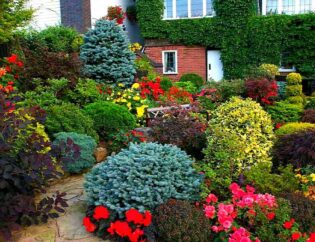
Pollinator garden design featured prominently in several entries, with planting schemes built around species that support bees, butterflies and other beneficial insects. This reflects a broader shift in residential landscape design — clients are increasingly asking for gardens that contribute to local ecology, not just gardens that look good from the street.
Water wise landscaping and xeriscape garden design also appeared across multiple award categories. Rain garden design, in particular, drew attention for its ability to manage stormwater while creating genuinely attractive outdoor spaces. These are no longer niche choices reserved for dry climates. They are becoming standard considerations in yard landscaping design across different regions.
Fire resistant landscaping appeared in several entries from areas where wildfire risk shapes every planting decision. The recognized projects demonstrated how fire resistant design can be integrated naturally into a front yard landscaping plan without sacrificing curb appeal or comfort.
Martin Palma, founder and CEO of Ecolandscape Studio, has observed this shift firsthand in client conversations over recent years. In his experience, homeowners are arriving at initial consultations with a much clearer sense of what they want their outdoor space to do — not just how they want it to look. Questions about lawn alternatives, privacy landscaping and outdoor living space design now come up early in the process, which makes it easier to build a design that genuinely fits the property and the people living there.
Looking at this year’s award-winning work through a practical lens, a few clear lessons emerge for anyone planning a backyard landscaping project or a full residential landscape redesign.
Landscape lighting ideas were used consistently well in the recognized projects. Rather than flooding a space with light, the winning designs used targeted lighting to highlight planting design, define pathways and extend the usability of outdoor living areas into the evening. This is a detail that makes a significant difference to how a space feels and functions.
Garden edging ideas also played a quiet but important role in several entries. Clean, well-considered edging helped define zones within larger yards and gave small backyard design projects a sense of structure and intention that kept the space from feeling cluttered.
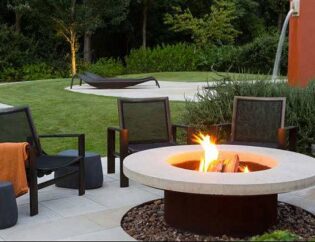
Patio landscaping ideas in the winning projects leaned toward materials and layouts that connect the built surface to the surrounding planting rather than separating them. Gravel, decomposed granite and permeable paving appeared alongside planted borders in ways that felt cohesive rather than contrasting.
For homeowners thinking about their own yard, the takeaway from this year’s awards is straightforward. The most successful projects were not necessarily the largest or the most expensive. They were the ones where the design responded honestly to the site, the climate and the way the client actually lives. A well-executed small backyard design with native plants and thoughtful lighting will outperform a generic layout with high-maintenance turf every time.
If you are considering a garden redesign, start by thinking about how you use your outdoor space across different seasons. Consider whether lawn alternatives might suit your lifestyle better than traditional grass. Think about privacy landscaping if your yard feels exposed. Look at your soil, your sun exposure and your local rainfall before committing to a planting palette.
The projects recognized this year are a reminder that great landscape design is not about following a single aesthetic. It is about making considered choices that hold up over time, support the environment and create outdoor spaces that people genuinely want to spend time in.