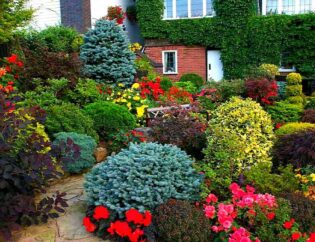
More homeowners are moving away from traditional grass lawns, and the reasons are easy to understand. Water bills are rising, drought conditions are spreading across many regions, and the appeal of a low maintenance garden design that actually supports local wildlife is hard to ignore. Native plant garden design, pollinator garden design, and xeriscape garden design have all grown in popularity as practical and beautiful alternatives to conventional turf. The problem is that planting something different in your front yard or backyard does not always mean you are free to do so legally.
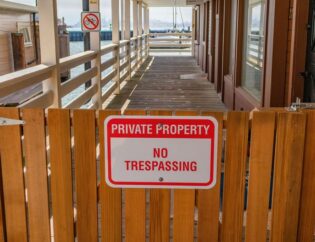
Local weed ordinances, which were originally written to prevent properties from becoming overgrown and neglected, are now creating real friction for homeowners who want to make thoughtful, sustainable landscaping choices. These laws vary significantly from one municipality to another, and what is perfectly acceptable in one neighborhood may result in a fine or a formal complaint in the next town over.
Most local weed ordinances set a maximum height for vegetation growing on residential properties, often somewhere between six and twelve inches. These rules were designed with unmaintained lots in mind, not intentional garden design. The challenge is that many lawn alternatives, including ornamental grasses, native meadow plantings, and rain garden design features, naturally grow taller than those limits.
Some cities have updated their codes to include exemptions for intentional landscape plantings. These exemptions typically require homeowners to register their garden with the local authority, submit a planting plan, or install visible signage explaining that the yard is a managed native or pollinator garden. Other municipalities have passed broader reform measures that explicitly protect native plant garden design and drought tolerant garden design from being penalized under outdated weed laws.
The situation is genuinely uneven across the country. A homeowner in one city might receive full support from local officials for converting their front yard to a water wise landscaping plan, while a neighbor in a different jurisdiction faces repeated violations for doing something nearly identical. Before you invest in any significant yard landscaping design project, checking your local ordinances is not optional — it is the first practical step.
Martin Palma, founder and CEO of Ecolandscape Studio, has seen this play out many times in residential landscape design projects. In his experience, the clients who run into the most frustration are those who research plants thoroughly but skip the step of reviewing local codes. A beautifully designed pollinator garden or a carefully planned xeriscape garden design can become a source of stress if the municipality has not yet updated its rules to reflect modern landscaping values. His advice is straightforward: call your local planning or code enforcement office before you plant anything unconventional, and ask specifically whether exemptions exist for native or low maintenance garden plantings.
If you are planning a front yard landscaping or backyard landscaping project that moves away from traditional turf, a few practical steps can help you stay on the right side of local rules while still achieving the outdoor living space design you want.
Start by researching your city or county’s current weed ordinance. Many municipalities post these documents online, but calling directly often gets you clearer answers faster. Ask whether there is an exemption process for intentional residential landscape design, and find out what documentation is required.
If your area does not yet have formal protections for lawn alternatives, consider connecting with local environmental or gardening advocacy groups. Many of the ordinance changes happening across the country have been driven by organized community efforts, and those conversations are still ongoing in many places.
When you do plant, keeping your garden visibly maintained matters more than most people realize. Clean garden edging ideas, defined borders, and tidy pathways signal to neighbors and code officers that the space is intentional and cared for, not neglected. Landscape lighting ideas along paths or around planting beds can also reinforce that impression in the evening hours.
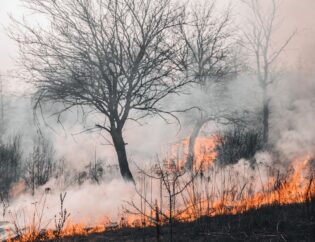
For properties in fire prone areas, fire resistant landscaping choices are worth prioritizing regardless of local weed rules. Spacing plants appropriately, avoiding dense dry material near structures, and selecting species that do not carry flame easily are all part of responsible planting design in those regions.
The broader shift toward sustainable landscaping is real, and local laws are slowly catching up. But slowly is the key word. Right now, the gap between what is ecologically smart and what is legally straightforward still exists in many communities. Doing your homework before you dig is the most reliable way to protect both your investment and your garden. Ecolandscape Studio works with homeowners through exactly this kind of planning process, helping translate good landscaping intentions into designs that are both beautiful and compliant with local requirements.