Outdoor spaces are shifting. What felt fresh and stylish a few years ago is now starting to look dated, and landscape designers across the country are noticing the same patterns. If you are planning a yard update, a backyard redesign, or even a small refresh to your front yard landscaping, knowing which trends are losing ground can save you time, money, and a lot of regret.
Here is a look at seven landscaping directions that experts say are on their way out, along with smarter alternatives worth considering.
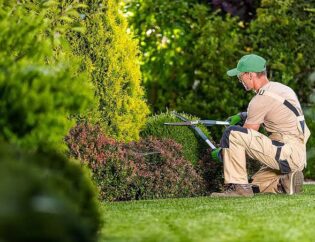
Perfectly manicured, high-maintenance lawns are one of the first things professionals point to. Traditional turf requires enormous amounts of water, fertilizer, and regular upkeep, and homeowners are increasingly questioning whether that effort is worth it. Lawn alternatives like native groundcovers, clover, and low-growing perennials are stepping in as practical, low maintenance garden solutions that still look polished and intentional.
Overuse of decorative rock and gravel as a ground cover is another trend that has run its course. While xeriscape garden design and water wise landscaping genuinely benefit from strategic use of stone, covering entire yards in uniform gravel without any planting design creates a flat, lifeless result. Experts recommend pairing drought tolerant garden design with actual plants, not just mineral surfaces.
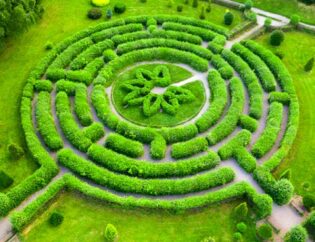
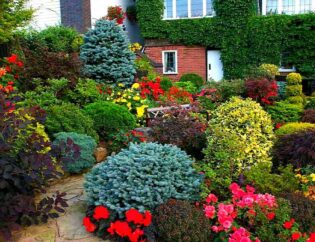
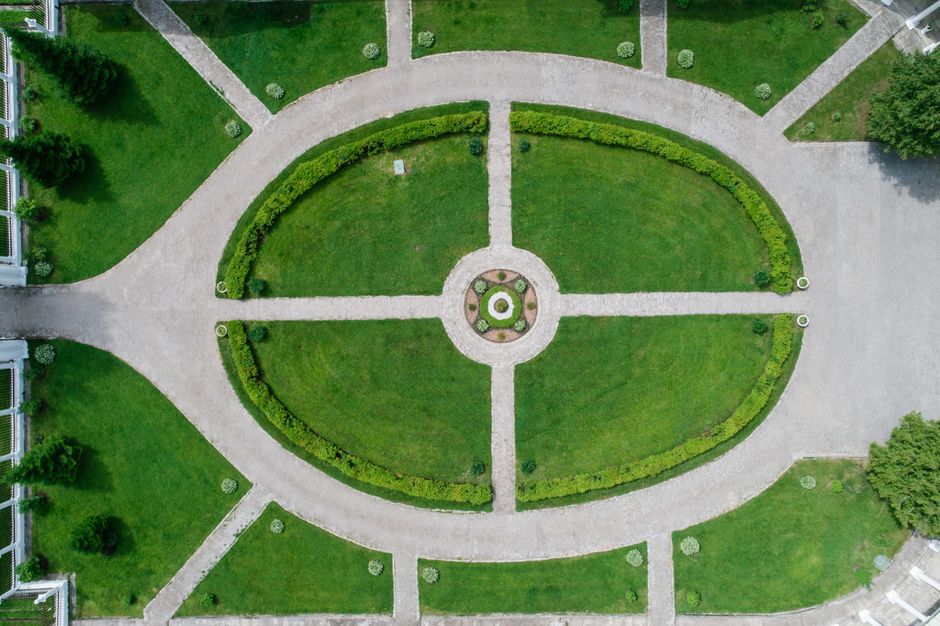
Symmetrical, overly formal planting arrangements are also fading. Rigid rows of identical shrubs or perfectly mirrored plantings on either side of a front yard path feel stiff and disconnected from how people actually live outdoors. Modern garden design is moving toward naturalistic planting design, where layers of texture, height, and seasonal interest create something that feels alive rather than staged.
Bright, high-contrast artificial turf is another element that landscape professionals are steering clients away from. It may seem like a low maintenance garden solution, but artificial grass raises concerns about heat retention, drainage, and long-term environmental impact. In climates where water wise landscaping matters, native plant garden design and permeable surfaces are far more effective and far more honest in their appearance.
Single-species pollinator gardens planted in isolation are being replaced by more integrated approaches. A dedicated patch of wildflowers is a good start, but pollinator garden design works best when it is woven throughout the entire yard rather than confined to one corner. Mixing flowering natives into borders, along pathways, and near outdoor living space design elements creates a more connected and functional habitat.
Overly complex water features that demand constant maintenance are losing their appeal too. Large decorative fountains and elaborate pond systems are giving way to rain garden design, which manages stormwater naturally while adding genuine ecological value. A well-placed rain garden can handle runoff, support local plants, and become one of the most visually interesting parts of a residential landscape design without requiring constant attention.
Finally, generic landscape lighting ideas that rely on rows of identical path lights are being replaced by more layered, intentional approaches. Lighting design is becoming part of the overall outdoor living space design conversation, with designers using uplighting, accent fixtures, and subtle garden edging ideas to create atmosphere rather than just visibility.
Martin Palma, founder and CEO of Ecolandscape Studio, has seen this shift play out across many residential projects. In his experience, homeowners who invest in native plant garden design and fire resistant landscaping from the start almost always end up with yards that are easier to care for, more resilient through seasonal changes, and more satisfying to spend time in. The properties that age best are the ones designed around the local environment rather than against it.
The direction that landscape design is heading in 2026 is one of honesty and practicality. Privacy landscaping using layered native plantings is replacing solid fences and monoculture hedges. Small backyard design is becoming more intentional, with patio landscaping ideas that prioritize comfort and usability over decoration. Front yard landscaping ideas are shifting toward curb appeal that also serves a purpose, whether that means supporting pollinators, managing water, or reducing the need for irrigation.
For anyone planning a yard landscaping design update, the most useful question to ask is whether each element is earning its place. Does it reduce maintenance? Does it support the local ecosystem? Does it hold up through heat, drought, or heavy rain? If the answer is yes, it is probably worth keeping or adding. If it exists purely for visual effect without any practical benefit, it may be one of the trends worth leaving behind.
The best residential landscape design is not about chasing what looks current. It is about creating an outdoor space that works well, feels good to be in, and does not demand constant intervention to stay that way.