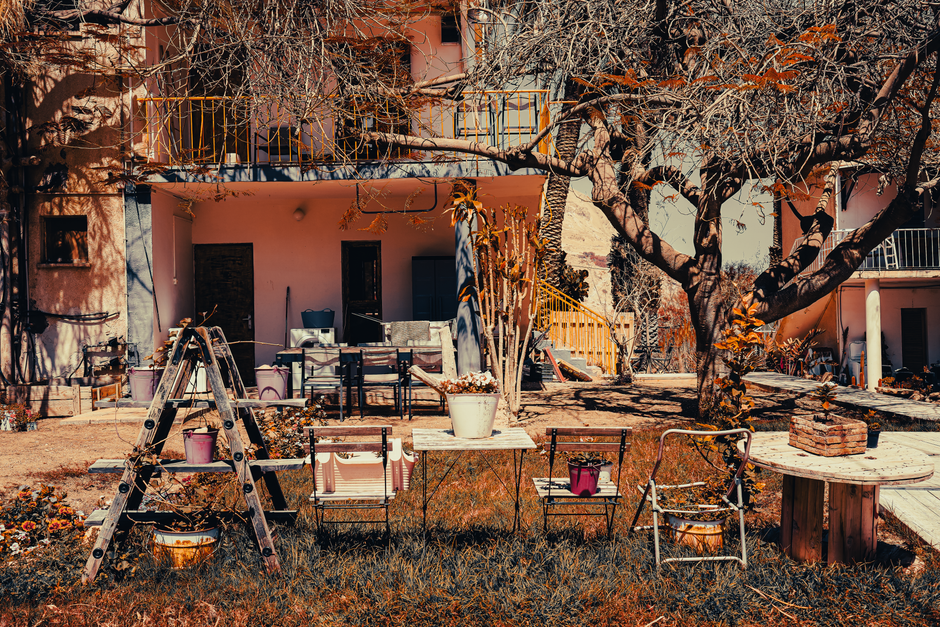
Transforming a backyard into a space you genuinely enjoy spending time in does not require a massive renovation budget or a professional crew on site every weekend. The growing interest in backyard decor guides — ones that combine ready-made products with practical DIY ideas — reflects something real: homeowners want outdoor spaces that feel personal, functional and well-designed without the overwhelm. Whether you are working with a small backyard design or a larger residential landscape, the same principles apply.
The appeal of combining curated products with hands-on projects is that it gives you flexibility. You can invest in quality where it counts and save effort where simpler solutions work just as well. This approach has become a natural part of how people think about outdoor living space design today.
There is a difference between placing furniture outside and actually designing an outdoor living space. Good backyard landscaping ideas start with structure — how the space is divided, how people move through it, and what draws the eye. Garden edging ideas, for example, are a small detail that creates a surprisingly strong visual impact. Clean borders between lawn areas, planting beds and paved surfaces make a yard look intentional rather than accidental.
Patio landscaping ideas follow a similar logic. A well-placed seating area with defined edges, appropriate ground cover and some landscape lighting ideas woven in creates a space that feels complete. Lighting is often underestimated in residential landscape design, but it extends the usability of outdoor spaces into the evening and adds depth to planting design when done thoughtfully.
For those leaning toward low maintenance garden design, the product market has expanded considerably. There are durable edging materials, self-draining planters, modular paving systems and weather-resistant furniture that hold up well across seasons. Pairing these with native plant garden design or drought tolerant garden design reduces the ongoing effort significantly. Plants that are adapted to your local climate simply need less intervention, and that is a practical win for any homeowner.
Martin Palma, founder and CEO of Ecolandscape Studio, has observed this shift firsthand across many residential projects. In his experience, clients who start with a clear layout — even a rough sketch of zones for seating, planting and pathways — make far better product and plant choices than those who shop first and plan later. The sequence matters. Knowing what a space needs to do shapes every decision that follows, from the type of paving to the scale of the planting beds.
DIY backyard projects work best when they align with sound design thinking rather than working against it. A rain garden design, for instance, is something many homeowners can install themselves with the right guidance — it addresses drainage, supports pollinators and adds genuine ecological value to a yard. Pollinator garden design is another area where DIY effort pays off well. Choosing the right mix of flowering natives, arranging them by height and bloom time, and giving them a defined space within the yard creates something that looks considered and supports local wildlife.
Privacy landscaping is a common goal in backyard design, and there are both product-based and plant-based ways to achieve it. Lattice panels, pergolas and fencing can be sourced and installed without professional help. Combining these with strategic planting design — using layered shrubs, ornamental grasses or small trees — creates privacy that feels natural rather than constructed. This is where modern garden design often lands: a blend of built elements and living material that works together.
Water wise landscaping and xeriscape garden design are gaining traction not just in dry climates but in regions where water costs and conservation awareness are growing. Replacing traditional lawn with lawn alternatives like ground covers, decomposed granite, or low-growing native plants reduces both water use and maintenance time. These choices also tend to improve the overall appearance of front yard landscaping ideas, giving properties a cleaner and more contemporary look.
Fire resistant landscaping is another consideration that has moved from niche to mainstream in many parts of the country. Selecting plants with higher moisture content, creating defensible space around structures and using non-combustible hardscape materials are all steps that can be incorporated into a broader yard landscaping design without sacrificing aesthetics.
The practical takeaway from all of this is straightforward. Good backyard design is not about following every trend or buying every product that appears in a guide. It is about understanding your space, your climate and your lifestyle, then making choices that serve all three. Start with layout and function, layer in plants that suit your conditions, and add products or DIY elements that reinforce the design rather than compete with it. That sequence — plan, plant, then detail — is what separates a yard that looks finished from one that just looks busy.









