When people think about celebrity gardens, they often picture something extravagant and impractical. But Madonna’s 1990s Mediterranean-inspired garden at her Los Angeles property tells a different story. It is a thoughtful example of how privacy landscaping, planting design, and a strong sense of place can come together in a way that feels both personal and timeless. For anyone working on a residential landscape design or looking for backyard landscaping ideas that balance beauty with function, this garden offers a lot to learn from.
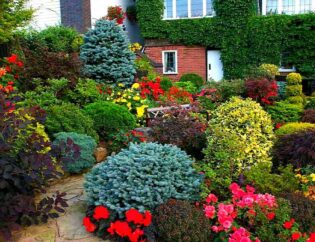
The property features a layered approach to planting that creates a sense of enclosure without feeling closed off or heavy. Tall, structured plants form the outer boundary, while softer, more textured plantings fill the middle and lower layers. This kind of tiered privacy landscaping is one of the most effective strategies in yard landscaping design because it works with the natural growth habits of plants rather than forcing them into rigid shapes.
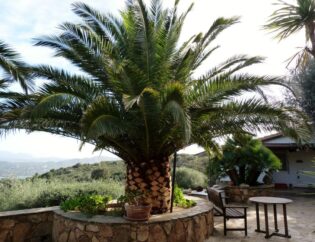
The garden draws heavily from Mediterranean plant species, many of which are naturally drought tolerant and low maintenance. Olive trees, lavender, rosemary, and ornamental grasses appear throughout the planting design, creating a cohesive look that feels both relaxed and refined. These plants are well suited to warm, dry climates and require far less water than traditional lawn-based landscapes. For homeowners exploring water wise landscaping or xeriscape garden design, the Mediterranean approach is one of the most practical directions to take.
What makes this style particularly appealing in modern garden design is the texture. Mediterranean plants tend to have fine, silvery, or aromatic foliage that catches light beautifully and adds sensory depth to an outdoor space. When combined with natural stone, terracotta, or warm-toned paving, the result is an outdoor living space design that feels genuinely inviting rather than staged.
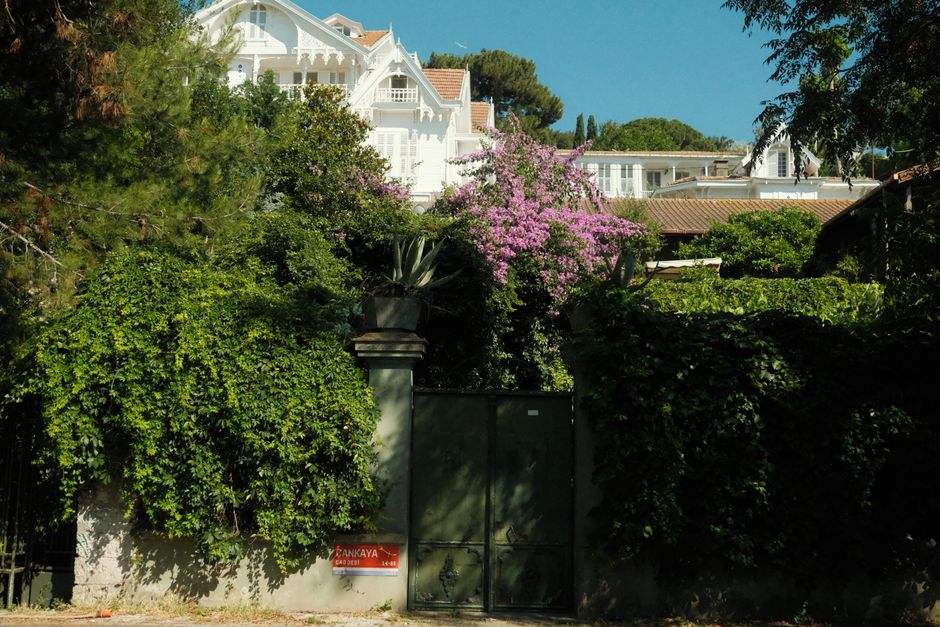
The garden also uses climbing plants and trained vines along walls and pergola structures to soften hard surfaces and add vertical interest. This is a detail that translates well to smaller properties too. In a small backyard design, vertical planting is one of the most efficient ways to gain privacy and greenery without sacrificing ground space.
Martin Palma, founder and CEO of Ecolandscape Studio, has worked on several residential projects where clients wanted that same sense of enclosed calm without building solid walls or fences. In his experience, the key is selecting plants that grow at different rates and heights, so the garden feels layered and natural rather than like a screen. He often recommends combining a slower-growing structural plant like an olive or a clipped hedge with faster-growing companions that fill in the gaps while the main plants establish themselves.
One of the strongest lessons from this garden is that privacy landscaping does not have to mean sacrificing aesthetics. A well-planned planting design can provide genuine seclusion while also supporting pollinators, reducing water use, and creating a beautiful outdoor environment year-round. Native plant garden design and pollinator garden design principles can be layered into a Mediterranean-style scheme quite naturally, since many of the plants used in this style are excellent for bees and butterflies.
Landscape lighting ideas also play a role in how this type of garden feels after dark. Soft uplighting on olive trees or low path lighting through lavender borders extends the usability of the outdoor space into the evening and adds a sense of warmth that is hard to achieve with overhead lighting alone.
For front yard landscaping ideas, the Mediterranean privacy approach works particularly well on properties where the home sits close to the street. A combination of low stone walls, structured plantings, and ground-level texture can create a welcoming but clearly defined boundary that improves curb appeal without looking defensive or unwelcoming.
Garden edging ideas in this style tend to favor natural materials. Rough-cut stone, reclaimed brick, or simple gravel borders complement the planting without competing with it. The goal is always to let the plants be the main feature while the hard landscaping elements provide structure and definition.
If you are planning a yard landscaping project and want to bring some of these principles into your own space, start with the structure. Identify where you need privacy, where you want shade, and where you want to draw the eye. Then build your planting design around those needs, choosing species that suit your climate and require a level of maintenance you can realistically manage. A low maintenance garden design does not mean a boring one. It means choosing the right plants for the right place and letting them do what they do naturally.
The Mediterranean garden tradition has endured for centuries because it is genuinely well adapted to its environment. That is the kind of thinking that makes any residential landscape design last.