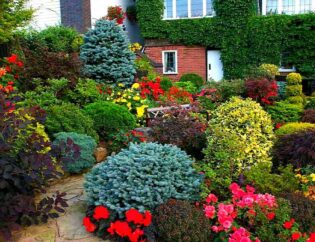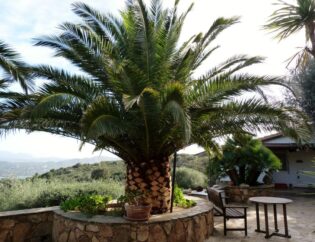
Water bills are climbing, drought conditions are becoming more common across many regions, and traditional grass lawns are getting harder to justify — both financially and environmentally. Price City Council is actively exploring a state-funded lawn replacement rebate program that could help residential property owners transition away from conventional turf and toward smarter, more sustainable yard landscaping design. For anyone thinking about updating their front yard landscaping ideas or rethinking their backyard, this kind of program is worth paying close attention to.
The rebate initiative being discussed at the council level is connected to state efforts to reduce water consumption in residential areas. The program would offer financial incentives to homeowners who remove traditional grass lawns and replace them with water-wise landscaping alternatives. This includes options like xeriscape garden design, native plant garden design, drought tolerant garden design, and other low maintenance garden approaches that require significantly less irrigation to thrive.
Replacing a lawn is not simply about pulling out grass and spreading gravel. Thoughtful residential landscape design considers the full picture — soil health, drainage, plant selection, visual appeal, and how the space will be used throughout the year. A well-executed lawn alternative can include a mix of native groundcovers, ornamental grasses, pollinator garden design elements, and carefully placed mulched planting beds that support local wildlife while reducing water demand.
Rain garden design is another option gaining traction in areas where managing stormwater runoff is a priority. These shallow, planted depressions capture rainwater and allow it to slowly absorb into the ground rather than running off into storm drains. Combined with smart garden edging ideas and landscape lighting ideas, a converted front yard can look polished, intentional, and genuinely beautiful without the ongoing cost of maintaining turf.
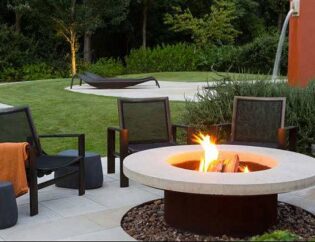
For smaller properties, small backyard design solutions like permeable paving, raised planting beds, and layered planting design can completely transform how a space feels and functions. Outdoor living space design does not have to rely on a lawn as its foundation. Patio landscaping ideas, seating areas framed by drought-tolerant plants, and privacy landscaping using native shrubs can create a far more usable and visually interesting yard than a flat stretch of grass ever could.
Martin Palma, founder and CEO of Ecolandscape Studio, has worked with many homeowners who initially hesitated about removing their lawns, worried the result would look sparse or unfinished. In his experience, the opposite tends to happen — once clients see a completed xeriscape or native plant garden design, they are often surprised by how much more character and texture the space has compared to a conventional lawn. The key, he notes, is planning the transition carefully rather than treating it as a simple removal project.
Financial incentives like the one Price City is exploring can meaningfully shift how homeowners approach yard landscaping. The upfront cost of converting a lawn to a water-wise landscaping scheme can feel like a barrier, even when the long-term savings on water bills are clear. A rebate program lowers that barrier and makes modern garden design more accessible to a wider range of property owners.
Fire resistant landscaping is another dimension worth considering in regions where wildfire risk is a concern. Replacing dry, flammable turf with fire-resistant native plants and well-spaced planting design reduces risk while also cutting down on irrigation needs. Many of the same plants that qualify under drought tolerant garden design principles also perform well from a fire safety perspective.
For homeowners in Price City and surrounding areas, keeping an eye on how this rebate program develops is a practical step. If the council moves forward, there will likely be specific requirements around which plants qualify, how much existing lawn must be removed, and what documentation is needed to claim the rebate. Working with a landscape design professional before starting any conversion project helps ensure the work meets program criteria and delivers a result that holds up over time.
At Ecolandscape Studio, the shift toward low maintenance garden design and sustainable landscaping has been a consistent theme in residential projects for years. The interest from homeowners is real, and programs like the one Price City is exploring give that interest a concrete, financially supported path forward. Whether the goal is reducing a water bill, improving curb appeal, or creating a more ecologically thoughtful outdoor space, lawn replacement done well is one of the most impactful changes a property owner can make.