Yard design moves faster than most homeowners expect. What felt fresh and modern five years ago can quietly start to look tired, and some of the most popular landscaping choices from the past decade are now signaling that a property is behind the curve. If you are planning any updates to your front yard landscaping, backyard design, or outdoor living space, knowing which trends are fading helps you invest in the right direction.
Here is what landscape designers are seeing shift — and what smarter alternatives look like.
Perfectly manicured, all-grass lawns are one of the clearest signs of an outdated yard. Maintaining a lush green carpet requires heavy watering, fertilizing, and mowing, which conflicts with where residential landscape design is heading. Lawn alternatives like native groundcovers, ornamental grasses, and mixed planting beds are replacing turf in both front yard and backyard landscaping ideas across the country.
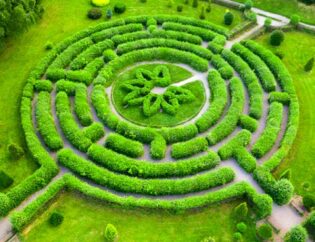
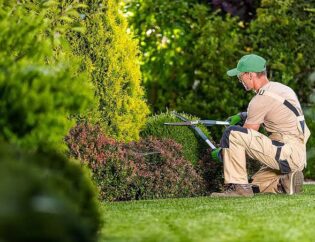
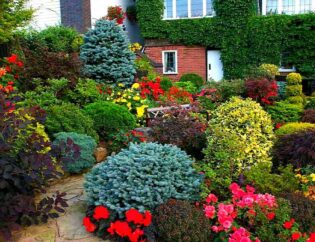
Matching, symmetrical foundation plantings are another giveaway. Rows of identical shrubs clipped into tight balls or cones around a home’s perimeter were once considered polished. Now they read as stiff and dated. Modern garden design favors layered planting design with varied textures, seasonal interest, and plants that grow naturally rather than being forced into geometric shapes.
Overuse of river rock and gravel as a low maintenance garden solution is also aging quickly. While xeriscape garden design and water wise landscaping do rely on rock mulch in some applications, covering every bed with a thick layer of gray stone creates a harsh, lifeless look. Organic mulch, decomposed granite used selectively, and drought tolerant garden design with real plant coverage are far more appealing alternatives.
Bright, multicolored annual flower beds planted in rigid patterns are fading from residential landscape design as well. These require replanting every season, heavy irrigation, and constant upkeep. Pollinator garden design using native perennials offers color, ecological value, and far less maintenance over time.
Overly themed or novelty garden features, including plastic edging, painted rocks, and decorative figurines used as focal points, are being replaced by cleaner, more intentional garden edging ideas and natural materials. Stone, steel, and wood edging used thoughtfully creates a finished look without the clutter.
Excessive landscape lighting ideas that turn a yard into something resembling a parking lot are also on the way out. Warm, layered lighting placed at ground level, along pathways, and within planting beds creates atmosphere without overwhelming the space. Lighting should highlight the landscape, not compete with it.
Fire resistant landscaping is gaining serious attention, particularly in regions prone to dry conditions. This means choosing plants with high moisture content, creating defensible space around structures, and avoiding dense, dry plant material close to the home. It is a practical shift that also tends to produce cleaner, more open yard landscaping design.
Rain garden design is another approach growing in popularity. Rather than directing stormwater runoff off the property as quickly as possible, rain gardens capture and filter water naturally. They work well in low-lying areas of a backyard and support native plant garden design beautifully.
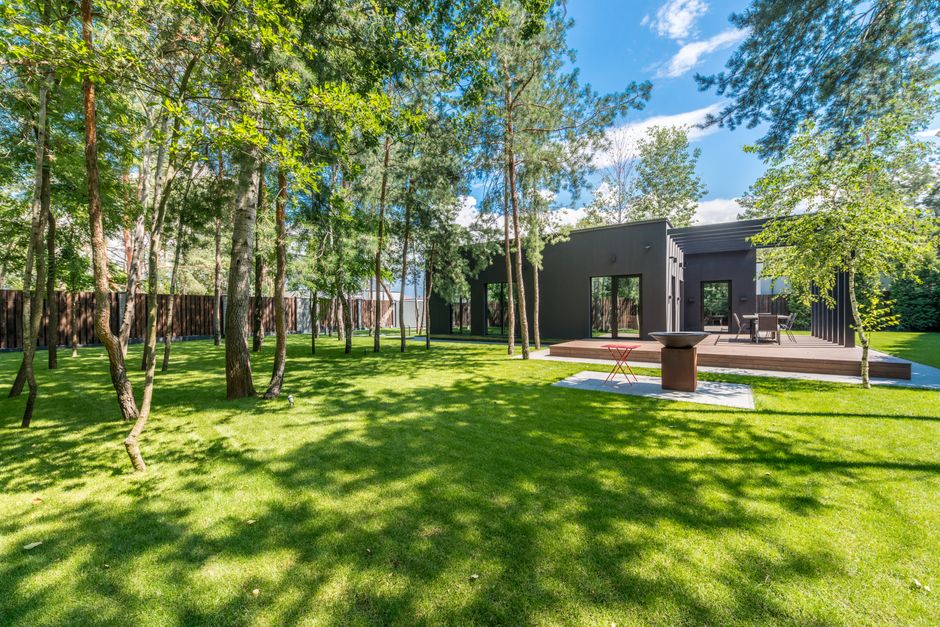
Privacy landscaping using living screens of trees, shrubs, and tall grasses is replacing solid fences and walls in many residential settings. A layered planting approach provides privacy while adding seasonal texture, wildlife habitat, and visual depth that no fence can replicate.
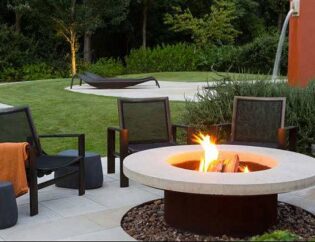
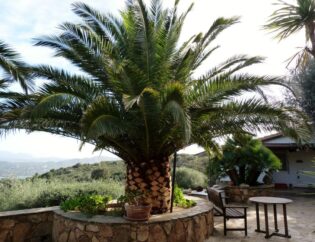
Small backyard design is also evolving. Homeowners with limited space are moving away from trying to fit every feature into a compact yard and instead focusing on one or two well-designed outdoor living space elements. A simple patio landscaping idea executed well, with good materials, comfortable furniture, and thoughtful planting around the edges, outperforms a cluttered yard every time.
Martin Palma, founder and CEO of Ecolandscape Studio, has observed this shift directly in client conversations over the past few years. When homeowners come in asking about backyard landscaping ideas, the conversation has moved away from «how do I make it look impressive» toward «how do I make it work better for my life and require less effort to keep up.» That change in priorities is driving better design decisions across the board, and it shows in the results.
Synthetic turf, once marketed as the ultimate low maintenance garden design solution, is also being reconsidered. It heats up significantly in summer, does not support soil health or pollinators, and has a lifespan that creates disposal challenges. Many homeowners who installed it a decade ago are now replacing it with native plant garden design or mixed groundcover solutions.
Matching patio furniture sets in generic styles are giving way to more personal, mixed outdoor living space design. Mixing materials, adding outdoor rugs, and incorporating plants directly into patio landscaping ideas creates spaces that feel like real extensions of the home rather than showroom displays.
The clearest takeaway from all of this is that the best yard landscaping design choices right now are the ones that reduce maintenance, support the local environment, and create spaces people actually want to spend time in. Chasing trends for their own sake rarely produces a yard that ages well. Choosing plants, materials, and layouts that suit your climate, your lifestyle, and your property will always hold up better than whatever was popular last season.