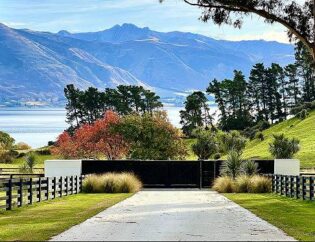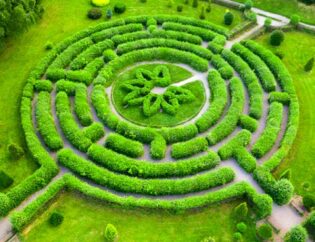
The way a garden is perceived is shaped by far more than plants, materials, and architectural structures alone. The interaction between color and light ultimately determines how a landscape changes throughout the day, creating different visual impressions and emotional experiences. Martin Palma, founder and CEO of Ecolandscape Studio, analyzes the influence of these elements on the overall perception of outdoor spaces and emphasizes that professional landscape design always begins with understanding the emotions a property should evoke. For this reason, the thoughtful integration of color and light has become one of the most sophisticated and powerful tools in contemporary landscape architecture.
A successful landscape project cannot rely solely on selecting attractive plants. Every color is perceived differently depending on its surroundings, the time of day, weather conditions, and the placement of nearby elements. We believe that an effective color strategy must consider not only seasonal flowering but also foliage tones, bark textures, paving materials, architectural finishes, and even the way natural sunlight interacts with every surface. Only through the careful coordination of all these components can a landscape achieve visual harmony without appearing accidental or disconnected.
Creating a convincing sense of spatial depth is another essential design objective. Lighter tones naturally bring objects visually closer, while richer and darker shades create the impression of greater distance and layered composition. At Ecolandscape Studio, we analyze these visual relationships during the earliest stages of project development because the strategic placement of color accents can make even compact gardens appear significantly larger without altering their actual dimensions. This principle is particularly valuable in modern residential landscapes where every square meter contributes to the overall experience.
Natural light also plays an indispensable role in shaping the landscape. Morning sunlight reveals one set of characteristics within the planting design, midday illumination highlights the texture of construction materials, while the warm light of late afternoon emphasizes entirely different architectural details. We recognize that successful landscape design anticipates these daily transitions, ensuring that every composition remains visually compelling regardless of the hour. Such an approach prevents situations where a garden appears impressive during one part of the day but loses its character as lighting conditions change.
Architectural focal points depend just as heavily on the relationship between light and color. Retaining walls, stairways, water features, decorative screens, terraces, and garden structures become significantly more expressive when the surrounding color palette reinforces their compositional role. Specialists at Ecolandscape Studio note that carefully positioned visual accents naturally guide the viewer’s attention, allowing the landscape to unfold gradually while preserving a sense of balance throughout the property.
The emotional dimension of landscape design deserves equal consideration. Cooler color palettes create an atmosphere of tranquility and freshness, while warmer tones encourage comfort and relaxation. Neutral combinations successfully connect multiple functional areas into one coherent composition. We see this as an opportunity to create gardens that genuinely reflect the personalities of their owners while remaining comfortable for everyday living rather than serving only as visually impressive showpieces.
Evening lighting introduces an entirely new level of expression by transforming the familiar appearance of the landscape after sunset. Accent lighting on trees and shrubs, subtle pathway illumination, and carefully positioned architectural lighting establish a completely different spatial experience during the evening hours. We emphasize that these lighting solutions should be integrated into the project from the very beginning because only a unified design approach can produce a natural, elegant, and well balanced result.
Long term visual quality depends on the landscape’s ability to preserve its character throughout every season. Seasonal changes in plant coloration, variations in natural daylight, and the gradual development of vegetation all require careful forecasting before construction begins. Such planning prevents future color conflicts while maintaining the architectural logic and visual consistency of the garden for many years.
Ultimately, the thoughtful combination of color and light becomes a fundamental design instrument that shapes not only the appearance of a landscape but also the emotional experience it offers. At Ecolandscape Studio, we believe that a carefully developed relationship between these elements allows us to create outdoor environments where architecture, nature, and light exist as one harmonious composition, preserving their depth, elegance, and aesthetic value regardless of the season or the time of day.