If you live in Tennessee and have been thinking about adding more life and color to your yard, there is a genuinely useful opportunity available right now. The Tennessee Wildlife Resources Agency, in partnership with the Monarch Watch program, is offering free native milkweed seeds to residents who want to support monarch butterflies, bees, and other pollinators. This kind of initiative fits naturally into the broader shift toward native plant garden design and sustainable landscaping that many homeowners are already embracing.
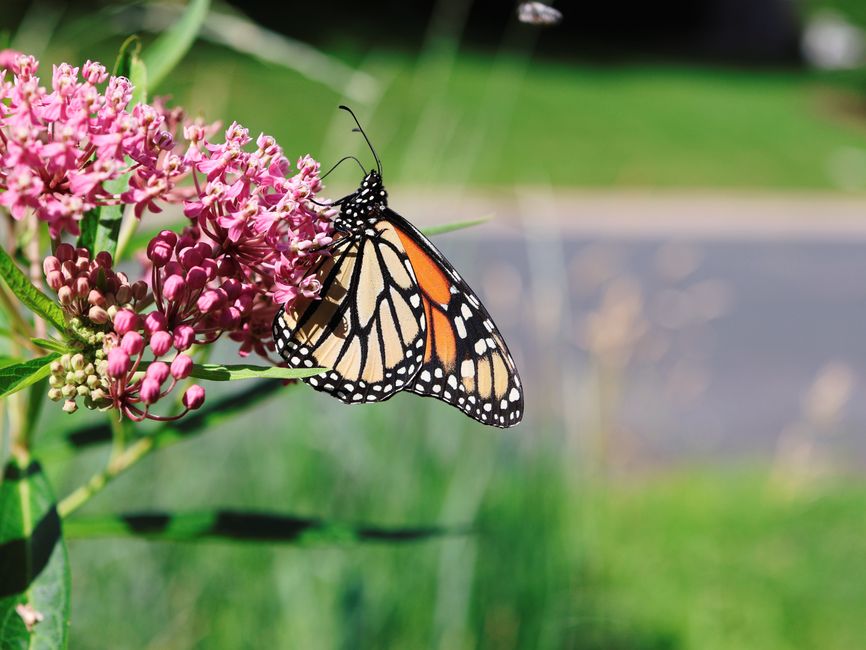
The program is straightforward. Tennessee residents can request free plugs of native milkweed through the Monarch Watch Milkweed Market, which periodically makes plants available at no cost through conservation partnerships. The goal is to restore milkweed populations across the region, since milkweed is the only plant monarch butterflies use to lay their eggs and the only food source for monarch caterpillars. Without it, the monarch population cannot recover.
From a planting design perspective, milkweed is far more versatile than most people expect. It is not a weedy, unkempt plant that will make your yard look neglected. Several native milkweed species are genuinely attractive and work well in a range of yard landscaping contexts. Butterfly weed, for example, produces vivid orange flowers that hold up beautifully in a sunny border or mixed pollinator garden design. Common milkweed has large, fragrant blooms that attract dozens of species. Swamp milkweed thrives in areas with occasional moisture and works well in rain garden design or low spots in the yard.
These plants also check several practical boxes for homeowners. They are drought tolerant once established, which makes them a natural fit for water wise landscaping and xeriscape garden design. They require very little maintenance after the first season, which appeals to anyone looking for a low maintenance garden design that still looks intentional and cared for. And because they are native to Tennessee, they are already adapted to local soil conditions, rainfall patterns, and temperature swings, which means less intervention from you over time.
Adding milkweed to your front yard landscaping or backyard landscaping does more than support monarchs. It creates habitat for native bees, beneficial insects, and other pollinators that help the broader garden ecosystem function. A well-designed pollinator garden design can genuinely transform how a yard feels, bringing movement, sound, and seasonal interest that a traditional lawn simply cannot provide.
Martin Palma, founder and CEO of Ecolandscape Studio, has seen this shift play out across dozens of residential projects. In his experience, homeowners who start with one or two native plants, often something like milkweed or coneflower, tend to become much more engaged with their overall yard landscaping design. Once people see how little effort these plants require and how much activity they attract, the conversation naturally moves toward expanding the planting design, reducing lawn area, and thinking more carefully about what the outdoor space is actually doing for the local environment.
If you are not starting from scratch, integrating milkweed into an existing residential landscape design is easier than it sounds. A sunny border along a fence or property edge is a natural spot. So is a dedicated pollinator bed near a patio or seating area, where you can actually watch the butterflies and bees up close. For smaller properties, even a small backyard design can accommodate a few milkweed plants tucked into a corner or along a garden edge.
One thing to keep in mind is that native milkweed dies back in winter, which is actually the correct behavior for plants in this region. Avoid tropical milkweed, which is sometimes sold at garden centers and does not die back properly in warmer climates. This can disrupt monarch migration patterns and potentially spread a harmful parasite. Sticking with species native to Tennessee is both ecologically responsible and better for long-term garden performance.
If you are thinking about lawn alternatives or privacy landscaping along a property boundary, a mix of native milkweed species with other native perennials can create a layered, textured planting that looks designed rather than accidental. Pair it with native grasses, coneflowers, or black-eyed Susans for a cohesive look that works across seasons.
Taking advantage of a free seed or plant program like this one is a low-risk way to start moving your yard in a more sustainable direction. Whether you are redesigning a front yard, refreshing a backyard, or simply looking for ways to make your outdoor living space more ecologically connected, native milkweed is a practical starting point. The plants do the work, the pollinators follow, and the yard becomes something more than just grass and mulch.