There is something quietly powerful about a small public space that makes people want to stop, sit, and stay. The Macchiato Pocket Park, designed by OUT Architecture, is exactly that kind of place. Tucked into an urban setting, this compact outdoor space carries a big idea: that thoughtful landscape design, even on a small footprint, can create a genuine sense of belonging. For homeowners, property owners, and anyone thinking about their own yard landscaping design, this project offers a lot to learn from.
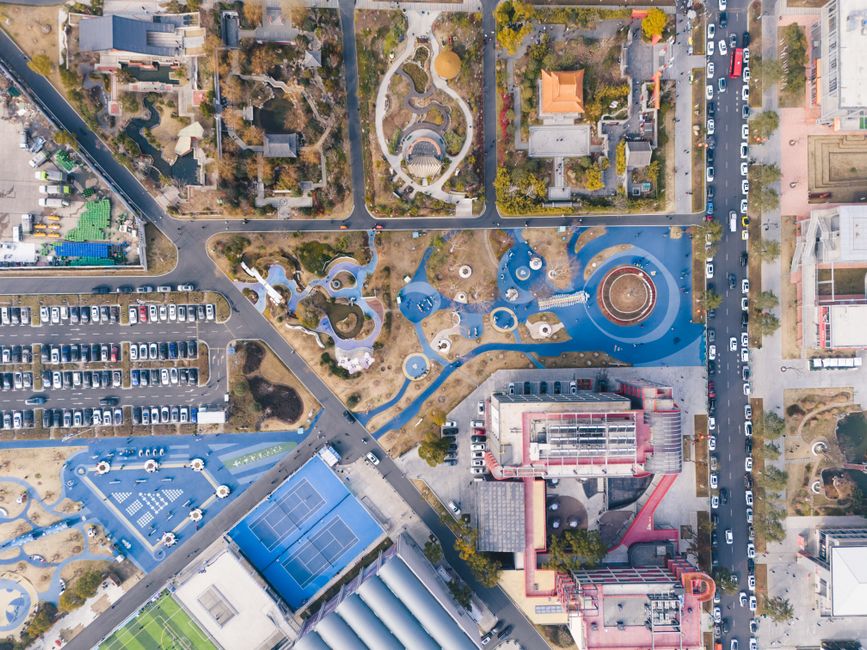
Pocket parks are not a new concept, but they are gaining renewed attention as cities and neighborhoods look for ways to bring more green space into dense environments. What makes Macchiato stand out is how deliberately every element was chosen. The planting design, the materials, the seating arrangement, and the overall layout all work together to create a space that feels human in scale and comfortable to use. Nothing feels accidental or decorative for its own sake.
The Macchiato Pocket Park demonstrates something that applies directly to small backyard design and front yard landscaping ideas: restraint is a strength. When you are working with a limited area, every plant, every path, every surface choice carries more weight. The designers used a carefully considered palette of materials and plants to define the space without overwhelming it. The result is a garden that reads as complete rather than cramped.
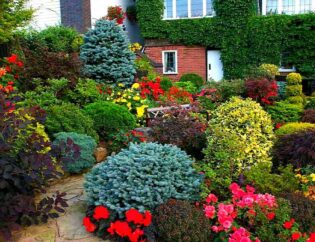
The planting design leans into texture and layering. Low-growing ground covers, mid-height shrubs, and a few vertical elements create visual depth without requiring a large area. This is a principle that translates well into residential landscape design, especially for urban or suburban properties where space is limited. A layered planting approach also supports biodiversity, giving pollinators and beneficial insects more to work with across different heights and bloom times.
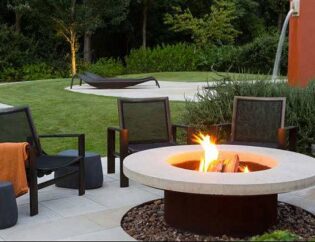
Seating is integrated into the design rather than placed as an afterthought. Built-in benches and defined gathering areas give the park its social quality. In outdoor living space design for private homes, this same thinking applies. When seating, shade, and planting are planned together from the beginning, the space feels intentional and inviting rather than assembled from separate decisions.
Martin Palma, founder and CEO of Ecolandscape Studio, has observed this pattern across many residential projects. In his experience, the gardens that clients return to again and again are rarely the most elaborate ones. They are the ones where the scale feels right, where there is somewhere comfortable to sit, and where the planting creates a sense of enclosure without blocking light. That balance between openness and shelter is what makes a space feel like it belongs to the people using it.
The Macchiato Pocket Park also handles the relationship between hardscape and softscape with care. Paved areas are kept to what is actually needed for movement and gathering, while planted zones are generous enough to soften edges and reduce the heat that hard surfaces can generate. This is a practical lesson for patio landscaping ideas and modern garden design at the residential scale. Too much paving creates a space that feels harsh and is harder to cool in warm months. Too little makes the garden feel impractical. Finding that balance is one of the core skills in good yard landscaping.
The project also shows how garden edging ideas and defined borders can give a small space a polished, finished quality. Clean transitions between planted areas and paved surfaces make the whole design feel more deliberate. At home, this kind of detailing is often what separates a garden that looks professionally designed from one that feels unfinished.
Water management is another area where the project reflects current landscape design trends. Thoughtful drainage, permeable surfaces, and plants selected for their resilience all point toward water-wise landscaping principles. These are the same ideas behind rain garden design and xeriscape garden design, approaches that are becoming increasingly relevant for homeowners dealing with variable rainfall and water restrictions.
For anyone working on their own outdoor space, the Macchiato Pocket Park is a reminder that great garden design is not about size or budget. It is about making considered choices. Choosing plants that suit the site conditions rather than fighting them. Designing seating and paths around how people actually move and gather. Using materials that age well and feel appropriate to the setting. Keeping maintenance realistic so the space stays looking good over time.
Whether you are planning a small backyard design, rethinking your front yard landscaping, or looking for low maintenance garden design ideas that still feel rich and alive, the principles behind this project are worth sitting with. Good landscape design creates places where people feel comfortable, connected, and at home. That is true whether the space is a public pocket park or a private garden.