Good garden design does not stop working when the sun goes down. The way you light your outdoor space after dark can completely transform how your yard feels, how safe it is to move through, and how impressive it looks from the street. Landscape lighting ideas are often treated as an afterthought in residential landscape design, but placing spotlights thoughtfully is one of the most effective upgrades you can make to any backyard or front yard without touching a single plant or paving stone.
Spotlights are directional, focused, and flexible. Unlike string lights or path markers, they allow you to highlight specific features in your yard landscaping design — a sculptural tree, a textured wall, a water feature — and create depth and drama that flat, even lighting simply cannot achieve. The key is knowing where to place them.
The first spot worth considering is at the base of trees, angled upward. Uplighting a mature tree draws the eye upward, adds vertical interest, and creates beautiful shadow patterns across the canopy. This technique works especially well in modern garden design where clean lines and strong focal points define the overall aesthetic. Choose a warm white light to keep the effect natural and avoid washing out the color of the bark or foliage.
The second position is along garden walls or fences. Grazing light across a textured surface — stone, timber, rendered concrete — reveals the material’s character in a way that daylight rarely does. This approach suits both front yard landscaping ideas and backyard design equally well, and it adds a sense of enclosure and atmosphere that makes an outdoor living space feel more intentional and finished.
Third, consider placing spotlights near water features. A pond, fountain, or rain garden element becomes a completely different focal point at night when light catches the movement of water. This is particularly effective in planting design schemes that incorporate reflective or moisture-loving plants around the water’s edge, as the light bounces between the surface and the surrounding foliage.
The fourth position is along pathways and steps, but with a twist. Rather than using standard path lights that shine straight down, angled spotlights placed slightly off the path can create a more layered, designed effect. This improves safety without making the garden feel like a car park. It also supports the overall yard landscaping by keeping the lighting consistent with the rest of the design rather than adding a disconnected row of bollards.
The fifth and often overlooked spot is behind planting beds, shining light forward through ornamental grasses, tall perennials, or low maintenance garden shrubs. Backlighting creates silhouettes and a sense of depth that makes even a small backyard design feel larger and more layered. This technique is particularly striking with native plant garden design, where the natural forms of grasses and wildflowers become sculptural elements after dark.
Martin Palma, founder and CEO of Ecolandscape Studio, has worked on residential landscape design projects where lighting was added as a final layer, and the results consistently surprised clients. In his experience, homeowners often underestimate how much the angle and color temperature of a spotlight affect the mood of a space. A cool white light can make a garden feel clinical, while a warm tone at 2700K to 3000K reads as natural and inviting. Getting that detail right costs nothing extra but changes everything about how the space feels at night.
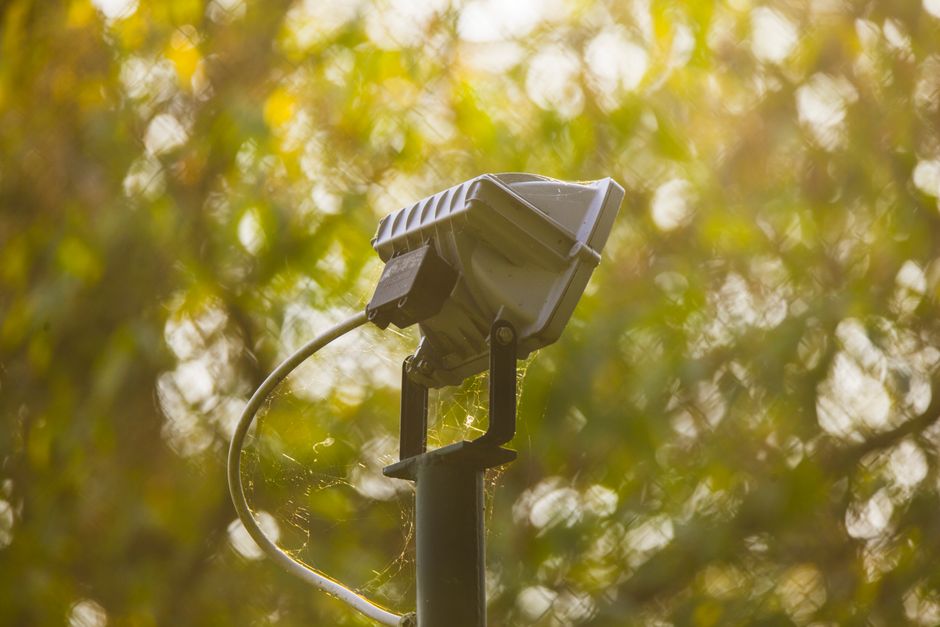
Before purchasing fixtures, walk your garden after dark with a torch and experiment with angles. Notice which trees, walls, or planting areas catch your attention naturally. Those are your priority spots. LED spotlights are the practical choice for most residential settings — they are energy efficient, long lasting, and available in a wide range of beam widths to suit different applications.
If your garden includes drought tolerant garden design or xeriscape garden design elements, lighting can also help you appreciate those plantings in a new way. Succulents, ornamental rocks, and structured low water plants often have strong forms that respond beautifully to directional light.
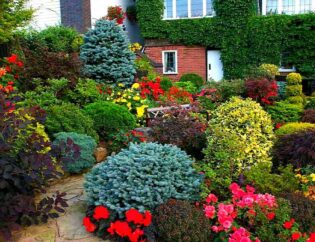
For front yard landscaping ideas, keep the lighting balanced and avoid over-illuminating the facade. The goal is to complement the property, not to flood it with brightness. A few well-placed spotlights on key trees or garden edging ideas near the entrance will do far more for curb appeal than a dozen fixtures scattered without a plan.
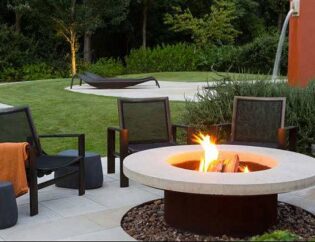
Outdoor living space design benefits most from lighting that creates zones — a brighter area near the patio, softer light further into the garden, and accent lighting on specific features. That layered approach is what separates a thoughtfully designed yard from one that simply has lights installed. Take your time with placement, start with fewer fixtures than you think you need, and adjust from there.