There is a quiet shift happening in residential landscape design, and it does not involve tearing out your entire yard. Designers are increasingly turning to a concept called patio islands — planted beds or garden clusters placed within or directly adjacent to paved outdoor areas. The idea sounds simple, but the effect it creates is anything but. When done well, a patio island turns a flat, hard surface into something that feels layered, grounded and genuinely connected to the surrounding garden.
Most homeowners think of patios and planting as two separate decisions. You lay the patio, then you figure out where the plants go. Patio islands challenge that thinking entirely. Instead of treating the hardscape and the planting design as separate phases, this approach weaves them together from the start. The result is an outdoor living space that feels designed rather than assembled.
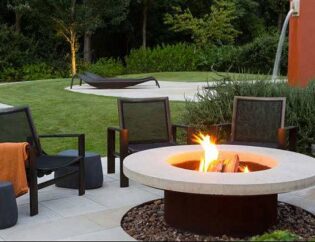
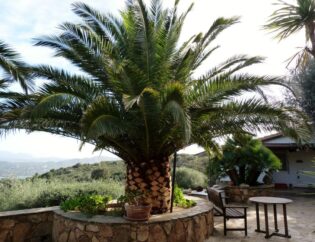
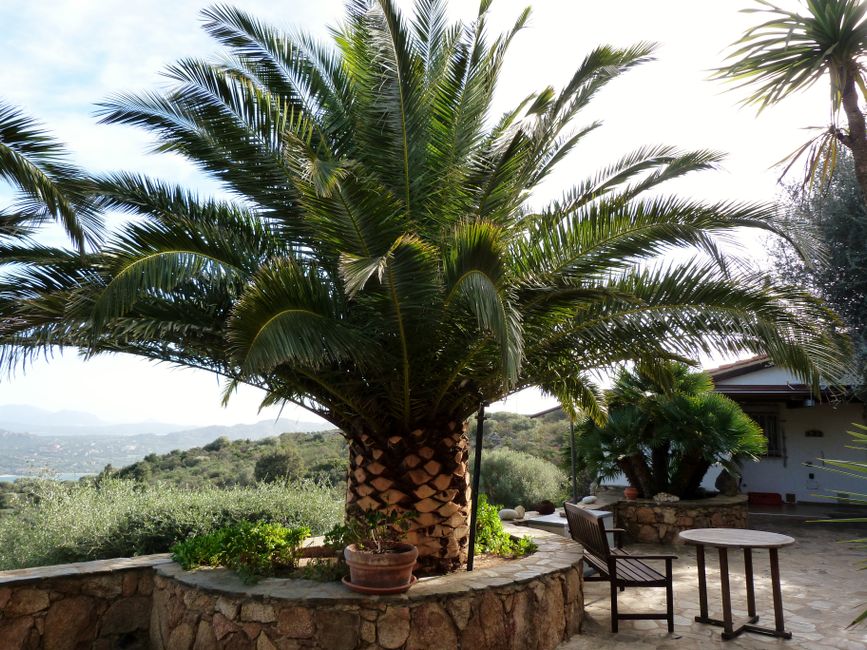
A patio island is essentially a planted zone that interrupts or borders a paved surface in a deliberate way. It might be a raised bed cut into the center of a stone terrace, a curved planting pocket along one edge of a concrete patio, or a cluster of ornamental grasses and low shrubs that soften the transition between pavers and lawn. The key is intention. These are not leftover spaces filled with a few random plants. They are considered design moves that add structure, texture and visual depth to an otherwise flat plane.
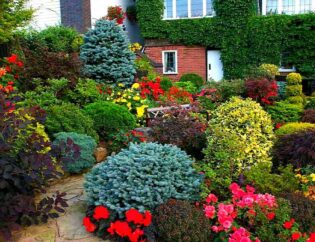
The plants chosen for patio islands tend to be low maintenance by nature. Drought tolerant garden design principles apply well here, since these beds are often surrounded by heat-absorbing hardscape that dries soil faster than open garden beds. Native plant garden design is another strong fit, because native species handle local conditions without constant intervention. Pollinator garden design also works beautifully in this context — a small island planted with flowering perennials and herbs can attract bees and butterflies while adding seasonal color right where people spend time outdoors.
Scale matters more than most people expect. A patio island that is too small looks like an afterthought. Designers generally recommend that the planted area should feel proportional to the paved surface around it. In a small backyard design, even a modest island of two or three square meters can shift the entire character of the space if the planting is layered thoughtfully — taller plants at the back or center, lower ground covers at the edges, and something with interesting texture or movement in between.
Martin Palma, founder and CEO of Ecolandscape Studio, has observed this pattern across many residential projects. In his experience, clients often underestimate how much a single well-placed planting island can change the way a patio feels to use. A bare paved area reads as a surface. Add a planted island with layered height and seasonal interest, and suddenly the space has a sense of enclosure, softness and purpose. It is one of the most cost-effective moves in outdoor living space design, and it rarely requires major structural changes.
Before placing a patio island, a few practical questions are worth working through. Drainage is the first one. Planted areas surrounded by hardscape need somewhere for water to go. A rain garden design approach can actually be incorporated here — slightly depressed planting zones that collect and absorb runoff from the paved surface. This is especially useful in water wise landscaping strategies where every drop of rainfall is treated as a resource rather than a problem.
Edging is the second consideration. Garden edging ideas for patio islands range from simple steel or corten borders to natural stone, brick or even timber. The edging defines the island visually and keeps mulch and soil from migrating onto the paved surface. It also makes maintenance easier, which matters for anyone prioritizing a low maintenance garden design.
Lighting is worth planning at the same time as the planting. Landscape lighting ideas for patio islands often focus on uplighting taller plants or placing low path lights along the island perimeter. This creates atmosphere in the evening and makes the outdoor space usable after dark without requiring a complicated lighting system.
For front yard landscaping ideas, patio islands near an entrance path or driveway apron can define arrival sequences and add curb appeal without the formality of traditional foundation planting. In fire resistant landscaping zones, choosing the right species for these islands — low moisture, non-resinous plants with good spacing — is a practical safety decision as much as an aesthetic one.
The appeal of patio islands ultimately comes down to what they do to the experience of being outside. They break up visual monotony, introduce living texture into hardscaped areas, and create the kind of layered planting design that makes a yard feel like it was genuinely thought through. Whether you are working with a compact urban backyard or a larger suburban property, this is one garden design trend that rewards careful planning and pays off in everyday enjoyment of the space.