There is something genuinely special about a garden at golden hour. That warm, amber light that settles over the yard in the late afternoon and early evening does not just make everything look beautiful — it actually changes how colors read, how textures feel, and how the entire outdoor space comes alive. For anyone thinking about residential landscape design or planning a backyard refresh, understanding how evening light interacts with plant color is one of the most practical and rewarding things you can do before choosing a single plant.
Golden hour light is soft and directional. It filters through foliage, catches the edges of petals, and deepens warm tones while softening cool ones. This means that the plants you choose for a garden that gets heavy afternoon sun will look completely different at 6 PM than they do at noon. A pale yellow flower can glow like a lantern. A deep burgundy leaf can turn almost translucent. A white bloom can shift into a warm cream that feels far more inviting than it does under harsh midday light.
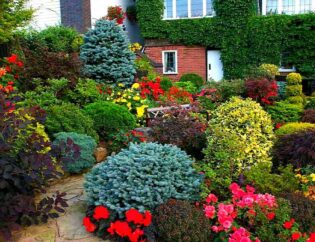
When thinking about planting design with evening light in mind, warm-toned flowers tend to be the strongest performers. Yellows, oranges, soft reds, and peachy tones absorb and reflect golden light in a way that makes them look radiant rather than washed out. Plants like rudbeckia, helenium, hemerocallis (daylilies), and echinacea are reliable choices that hold their color beautifully as the sun drops lower in the sky.
Ornamental grasses are another excellent option for evening garden design. Their fine, feathery seed heads catch the low light and create a glowing, backlit effect that adds movement and warmth to any yard landscaping design. Varieties like Pennisetum or Miscanthus work particularly well in both front yard landscaping ideas and backyard landscaping ideas where you want that soft, naturalistic feel.
Foliage matters just as much as flowers. Chartreuse and golden-leaved plants — think golden creeping Jenny, golden oregano, or certain hostas — seem to generate their own light during golden hour. They brighten shaded corners and add depth to mixed planting beds without requiring constant maintenance. For anyone working on a low maintenance garden design, these foliage plants deliver visual impact across multiple seasons without demanding much in return.
Martin Palma, founder and CEO of Ecolandscape Studio, has observed this pattern across many residential projects. In his experience, clients often select plants based on how they look in a nursery under flat overhead lighting, then feel disappointed when those same plants seem dull or mismatched in the actual garden. His approach is to visit the site at different times of day before finalizing any planting design, paying particular attention to how the late afternoon light moves across the space. That single step has changed plant selections on more projects than any other part of the design process.
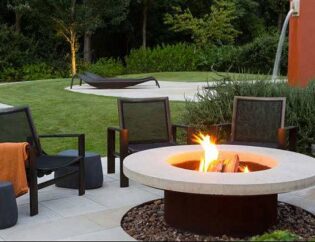
Beyond plant selection, the physical layout of the garden plays a role in how well it captures golden hour. Beds positioned along the western edge of a property, or in areas that receive unobstructed late afternoon sun, are naturally set up to benefit from that warm evening glow. If you are working on a small backyard design or planning an outdoor living space design around a patio or seating area, orienting the main planting beds so they face the setting sun gives you a built-in evening display without any extra effort.
Landscape lighting ideas can extend the golden hour effect after the sun goes down. Warm-toned LED fixtures placed low among plantings mimic the angle and color temperature of natural evening light. This is especially useful in front yard landscaping ideas where curb appeal matters after dark, or in backyard spaces where you want to keep the atmosphere going through the evening.
Color layering is another technique worth building into your garden design. Placing warm-toned plants in the foreground where they catch direct evening light, and cooler or darker tones further back where they create depth, gives the garden a sense of dimension that flat, uniform planting schemes simply cannot achieve. This approach works well across different garden styles, from modern garden design to more naturalistic native plant garden design.
Thinking about golden hour is ultimately about designing a garden that works for the people who actually use it. Most homeowners spend time outdoors in the late afternoon and evening, not at noon. A planting design that peaks during those hours, that glows and softens and draws people outside, is a garden that genuinely earns its place in the yard. At Ecolandscape Studio, that kind of time-aware, light-aware thinking is part of how every outdoor space gets planned — because a beautiful garden at the right moment is worth far more than one that only looks good in photographs.