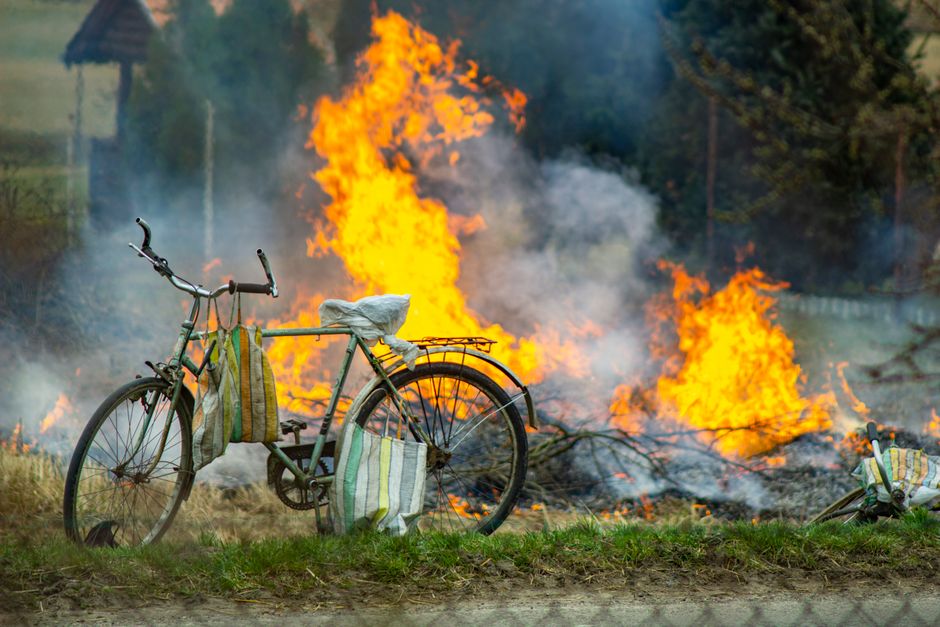
Colorado homeowners face a real and growing challenge every year as wildfire seasons become longer and more intense across the state. The combination of dry climate, strong winds, and dense vegetation creates conditions where a single spark can turn into a devastating fire within minutes. Preparing your yard is one of the most effective steps you can take to protect your home and your family. A well-planned landscape can slow the spread of fire and give firefighters a better chance to defend your property.
Understanding the Concept of Defensible Space
Defensible space is the buffer zone you create between your home and the surrounding vegetation. This zone reduces the risk of fire reaching your structure and gives emergency responders room to work safely. In Colorado, fire safety experts typically recommend organizing your yard into zones based on distance from the house. The area closest to your home, within about 30 feet, requires the most intensive management. Beyond that, up to 100 feet or to your property line, the goal is to reduce fuel density and break up continuous vegetation.
Within the first 30 feet around your home, you should remove dead plants, dry leaves, and any debris that could easily ignite. Keep grass mowed short, especially during dry summer months. Space out trees and shrubs so that fire cannot easily jump from one plant to the next. Remove any branches that hang over your roof or within 10 feet of your chimney.
Choosing the Right Plants for a Fire-Resistant Landscape
Not all plants carry the same fire risk. Some species contain high amounts of oils and resins that make them burn intensely, while others have higher moisture content and are less likely to ignite quickly. Selecting fire-resistant plants is a smart long-term strategy for Colorado yards.
Some good options for fire-resistant landscaping in Colorado include:
- Penstemon species, which are native wildflowers with low flammability
- Blue grama grass, a native grass that stays relatively low and dries out less quickly than many ornamental grasses
- Kinnikinnick, a low-growing ground cover that holds moisture well
Gambel oak, which can be managed as a shrub and is more fire-resistant than many conifers
Yarrow, a hardy perennial that spreads easily and resists ignition
Avoid planting juniper, ornamental grasses with tall dry stalks, or dense evergreen shrubs close to your home. These plants are common in Colorado landscapes but carry a higher fire risk, particularly when they dry out in late summer.
Hardscaping as a Fire Break
Incorporating non-combustible materials into your yard design is another effective approach. Gravel pathways, stone patios, concrete borders, and rock mulch all serve as natural fire breaks that slow the movement of flames toward your home. Replacing wood chip mulch near your foundation with gravel or decomposed granite is a simple change that can make a meaningful difference.
Driveways and walkways made of concrete or pavers also help by creating gaps in vegetation that fire cannot easily cross. When planning your landscape, think about how these hardscape elements can be positioned to interrupt the path that fire might travel.
Maintaining Your Yard Throughout the Season
A fire-ready yard is not a one-time project. Regular maintenance is essential, especially from late spring through early fall when fire risk in Colorado is highest. Dead branches, fallen leaves, and dry grass accumulate quickly and can undo months of careful preparation.
A basic seasonal maintenance checklist should include:
- Clearing gutters and roof surfaces of leaves and pine needles
- Removing dead or dying plants from garden beds
- Trimming tree branches so the lowest limbs are at least 6 to 10 feet above the ground
Keeping firewood stacks at least 30 feet from the house
Watering plants regularly to maintain higher moisture levels in vegetation
Inspecting fences and wooden structures for dry or rotting wood that could ignite easily
Wooden fences that connect directly to your home can act as a pathway for fire to reach the structure. Consider using metal or composite materials for sections of fencing near the house, or create a gap between the fence and the building.
Working with Local Guidelines and Resources
Colorado has specific programs and resources to help homeowners create fire-adapted landscapes. The Colorado State Forest Service offers free assessments for properties in high-risk areas, and many counties have local fire mitigation programs with additional guidance. Checking with your local fire department or county extension office can connect you with resources specific to your region and elevation.
Every property in Colorado is different. Slope, wind patterns, surrounding vegetation, and proximity to wildland areas all affect your specific risk level. A landscape professional with experience in fire-wise design can help you develop a plan that fits your property and meets local requirements.
Taking action now, before fire season peaks, gives you the best chance of protecting your home. A thoughtful, well-maintained yard will not only reduce your wildfire risk but can also create a beautiful and sustainable outdoor space that works with Colorado’s natural environment rather than against it.









