Creating a beautiful and functional landscape in areas with constant rainfall and wet soil can be a challenging task that many homeowners face. Especially if your property is located in an area with high rainfall or if puddles frequently form after rainstorms. Drainage problems can not only spoil the appearance of your garden but also affect the health of your plants and the longevity of landscape elements. However, with the right approach, you can create a space that is not only resistant to rain but also looks beautiful year-round.
At Ecolandscape Studio, we frequently work with landscapes where excessive moisture and wet soil are recurring challenges. We understand the importance of a well-designed drainage system and using plants and materials that thrive in such conditions. In this article, we will share practical tips to help you avoid common mistakes and create a beautiful and functional yard that doesn’t fear the rain.
The Importance of Proper Drainage
The first and most crucial step when working with wet soil is organizing a proper drainage system. Without it, excess water can cause root rot, waterlogging, and the creation of puddles and floods on your property. The main goal of a drainage system is to divert excess water from the root zone and the surface of the soil. Even if your property isn’t prone to flooding, a good drainage system helps improve soil structure and prevents waterlogging.
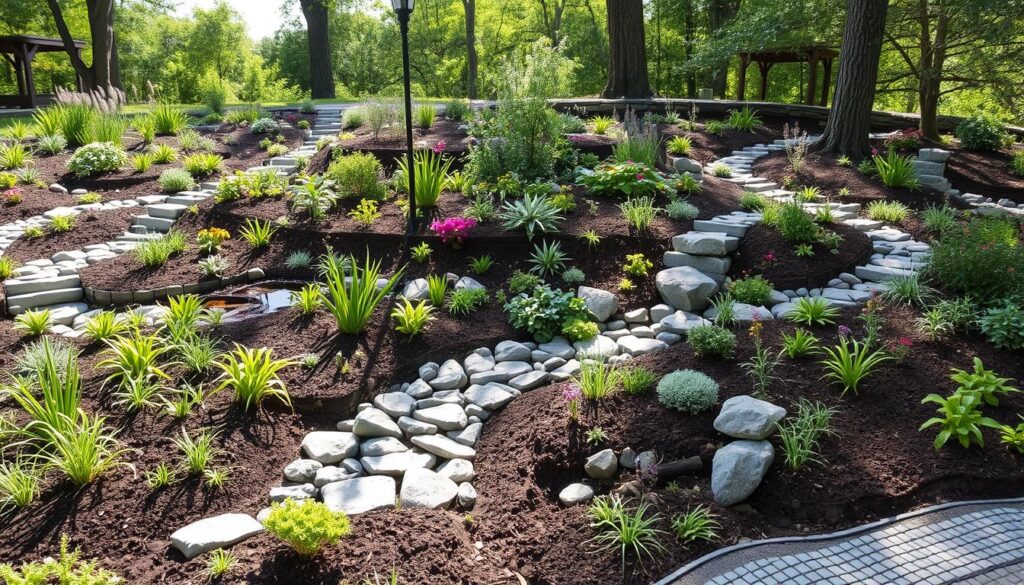
One of the most effective solutions for dealing with excess moisture is creating drainage trenches, which can be positioned around the perimeter of the yard or in low areas where water typically collects. These trenches are lined with geotextile fabric and stones, helping to properly direct water and prevent the drainage system from becoming clogged.
In one of our projects for a private residence, we designed a system of drainage trenches that successfully diverted water from the pool and high-moisture areas, preventing mold growth and excessive soil moisture.
Using Perforated Materials and Drainage Systems
If your property suffers from frequent rainfall or drainage issues, it’s important to use perforated materials. For example, perforated tiles or special paving with holes that allow water to seep through and drain into the ground without pooling on the surface.
To create durable and long-lasting pathways, we often use materials like gravel, pebbles, or wooden grids, which allow moisture to drain into the soil quickly, without leaving puddles or drowning the plants. These materials also help keep the landscape from feeling overcrowded, giving it a light, modern look.
Choosing Plants for Wet Soil
Not all plants can survive excess moisture, so it’s essential to select species that thrive in wet conditions. In our projects, we often recommend using water-tolerant plants or those that are accustomed to large amounts of water. These can include plants that grow in marshy areas or near water bodies.
Suitable varieties include marsh marigold, irises, ferns, as well as reefs and thuja. It’s important to remember that these plants need areas that won’t be completely flooded but still support their need for moisture.
For example, in one of our projects, we used Hypericum and geraniums, which are not only resistant to high moisture but also thrive in areas with heavy rainfall.
Landscaping Solutions for Water Drainage
In addition to traditional drainage methods, we also recommend using stormwater channels and drainage pipes that direct rainwater to safe locations, preventing it from pooling in your yard. Stormwater channels can be both functional and aesthetically pleasing. We often incorporate decorative elements such as stone pathways or gently flowing ponds to integrate them seamlessly into the overall landscape design.
For one of our clients, we designed a system of stormwater trenches that turned into decorative elements, forming small cascades and water features. This solution not only effectively dealt with excess moisture but also added beauty to the overall appearance of the property.
Mobile Elements and Relaxation Zones in Wet Climates
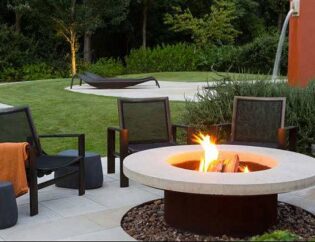
Mobile elements in landscape design are an excellent solution for properties with variable climates and high humidity. Elements like portable furniture or wooden decks allow you to create relaxation zones that can be easily moved or rearranged based on the weather conditions.
In one of our projects, we developed mobile wooden decks around water features, which not only made the space more adaptable to the owners’ needs but also provided the option to remove elements that could be damaged by water.
Proper landscape planning for a property with drainage problems and excessive moisture is not only about functionality but also aesthetics. Using perforated materials, creating effective drainage systems, selecting the right plants, and considering design elements will ensure the garden’s long-term preservation and its beautiful appearance.
As Martin Palma, the founder of Ecolandscape Studio, said, “Proper drainage and plant selection are key to ensuring that your garden not only survives rainy days but remains comfortable and beautiful year-round.”
If your property struggles with moisture issues or you want to avoid plant damage, contact Ecolandscape Studio. We can help you design a harmonious landscape that will delight you in any weather.