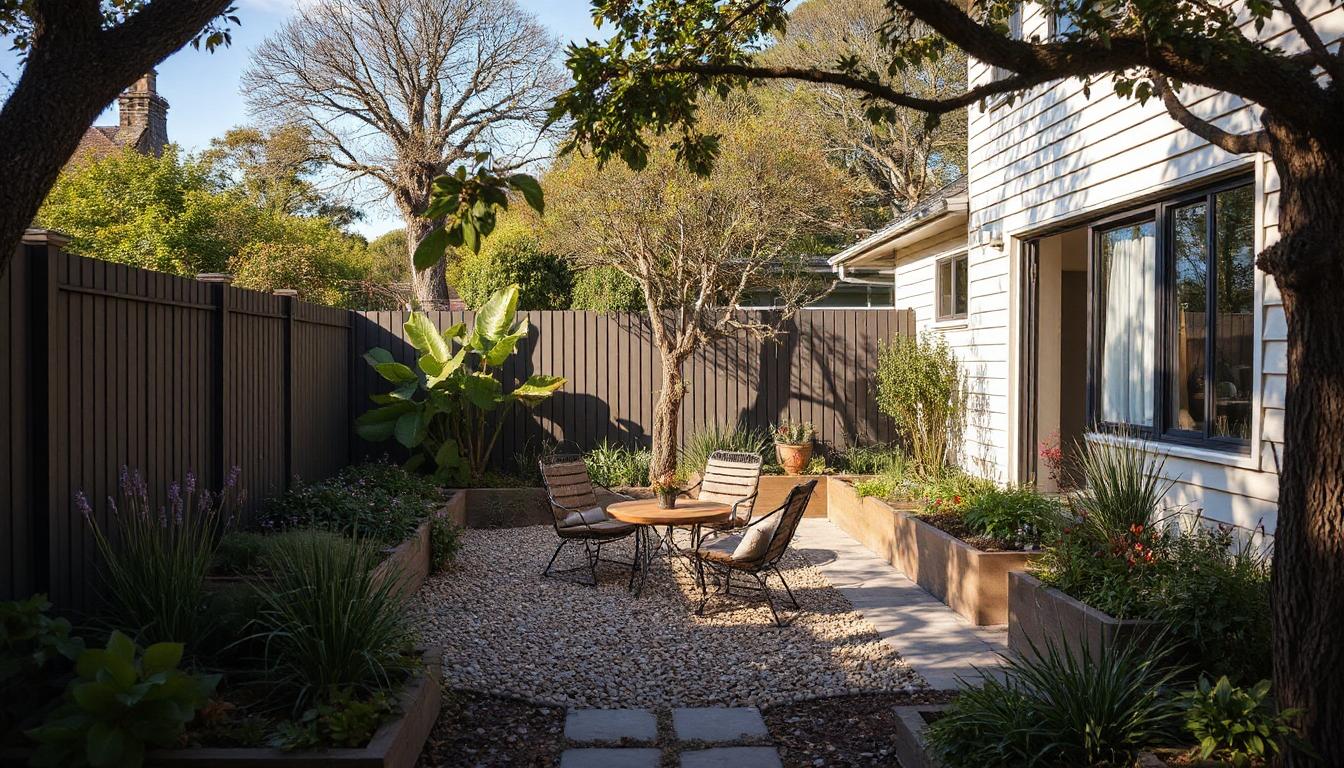
Creating a beautiful and functional landscape design in areas exposed to strong winds requires a special approach. Not every plot of land has ideal conditions for landscaping, especially if it’s located in open spaces or near the coast. In such conditions, plants and garden elements are often exposed to the elements, making them vulnerable. The landscape designer’s task is to create a space that is not only aesthetically pleasing but also resilient to harsh weather conditions.
At Ecolandscape Studio, we are used to working with these challenging plots where wind becomes the main obstacle to comfort. In this article, we’ll share tips and methods that will help you create a cozy garden, even if your plot is subjected to strong winds.
Assessing the Wind Impact on Your Plot: How to Determine Where to Place Relaxation Areas and Plants
The first step in designing a plot frequently exposed to strong winds is a precise assessment of their impact. You need to understand the primary direction of the wind and which areas are most affected. Knowing the direction of the wind helps us optimally distribute functional zones on the plot to ensure maximum comfort.
It’s important to keep in mind that strong winds can not only damage plants but also create discomfort for those trying to relax outdoors. Placing seating areas or family dining zones in sheltered spots is crucial. For example, a secluded area on a windy plot can be placed along a hedge or decorative barrier.
Protection with Hedges and Windbreak Plants
One of the most effective and eco-friendly ways to protect a plot from wind is using hedges and windbreak plants. They not only create a barrier against airflows but also serve as beautiful decorative elements. It’s important to choose plants that will not only effectively block the wind but also thrive in your climate conditions.
For protection against strong winds, evergreen plants such as thuja and cypress, as well as deciduous trees like birch or beech, are ideal. These plants should be placed along the perimeter of the plot to ensure reliable protection. In one of our suburban projects, we demonstrated how properly positioned plants can reduce wind impact and create an aesthetically pleasing landscape that will delight the owners all year round.
Hardscapes for Wind Protection: Durability and Aesthetics
When it comes to wind protection, it’s important not only to rely on plants but also on elements that can serve as additional barriers. Metal or wooden fences, decorative panels, and pergolas are great solutions that add style to the space while offering protection from the wind. We always recommend combining these structures with plant elements to create a harmonious blend of nature and architecture.
In one of our projects, we used metal screens with perforated panels, which effectively protected the plot from the wind without creating massive or heavy elements. These screens harmonized with the plants, complementing the overall garden style and creating additional areas for relaxation.
Mobile Elements for Adapting the Space to Different Needs
Mobile elements are another essential solution for plots exposed to strong winds. Garden furniture, decorative objects, and even coverings can be adapted to changing conditions. For example, portable benches or decorative panels can easily be moved depending on the season or weather conditions.
In one of our projects for a windy plot, we used mobile garden structures. This allowed the owners to change the garden’s layout depending on their needs and the time of year, while also saving space and improving functionality.
Durability of Landscape Elements: Long-lasting Materials for Protection
An important aspect of landscape design for plots exposed to strong winds is selecting materials that can withstand external factors. We always recommend using natural stone, concrete, wood, and composite materials that do not deform easily under strong winds.
These materials provide durability and stability to the structure, requiring little maintenance. For instance, stone paths or concrete platforms are ideal for creating resilient and long-lasting garden elements. They not only provide strength but also blend well with the natural landscape.
Creating Water Features and Dynamic Elements to Add Comfort
Strong winds can be overwhelming, but it’s important to remember that adding movement to the garden can bring a lively sensation and create comfort. Decorative water features, fountains, and cascades are not only beautiful decorative elements but also create an atmosphere that softens the wind’s impact.
In our projects, we often use flowing water features, which produce a soundscape that diminishes the harshness of the wind. Cascading fountains or water cascades require little maintenance and can beautifully complement the landscape design of a garden, especially on plots with frequent and strong winds.
Designing a Garden Resilient to Strong Winds
Designing a landscape for plots exposed to strong winds requires not only knowledge but also a deep understanding of how nature works in these conditions. It’s important to consider not only the functionality of the space but also its aesthetic aspects plants, structures, furniture, and even water features must work for your comfort.
As Martin Palma, the founder of Ecolandscape Studio, noted, “Creating a wind-resistant garden is the art of harmonizing nature with architecture. Every element should not only be beautiful but also functional, ensuring durability and resilience.”
If you want to create a garden that not only protects you from the wind but also provides comfort, beauty, and tranquility in all weather conditions, reach out to Ecolandscape Studio. We’ll help you design a project that will delight you for many years, regardless of changes in weather.









