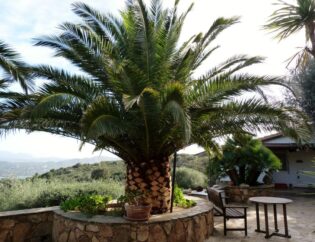
Old trees are an integral part of any landscape, giving a garden a unique atmosphere. Their roots penetrate the soil, while their branches stretch toward the sky, creating a special balance between nature and artistry. However, when designing a garden around such trees, it’s important to consider their fragility and the need to preserve the health of their root system. Without proper planning, the tree can be damaged, or even killed. At Ecolandscape Studio, we always emphasize the preservation of old trees, considering their value and functionality in your garden.
Creating landscape design around these features requires not only a meticulous approach but also an understanding of the growth patterns, needs, and environmental conditions of these trees. Our projects are always focused on the long-term preservation and development of trees, as well as creating functional and aesthetic spaces around them.
Assessing the Tree and Root System’s Health
Before starting any work on the garden design around old trees, it is crucial to assess both the tree itself and its root system. Old trees often have deep roots that span large areas, and disrupting these roots can seriously damage the tree’s health.
When planning, it is essential to account for the root zone, which extends far beyond the tree trunk. We recommend not planting within a 1–2 meter radius around the trunk to avoid damaging the vital roots. Consider how important this aspect is: in one of our projects, when working with several aged oaks, we saw how root damage could significantly disrupt the tree’s health and even affect its fruit-bearing capacity.
Preserving Roots and Using Permeable Materials
Tree roots require unobstructed access to air and water. Construction work, such as laying asphalt, concrete, or other hard coverings, can block water and air from reaching the roots, leading to deterioration in the tree’s health. It is crucial to use permeable materials, such as gravel, pebbles, or special paving stones with gaps. These materials allow water to pass into the ground and reach the roots without creating barriers. This is one of the key recommendations we always follow in our work. In one of our projects for a large garden in the suburbs, we used decorative gravel for pathways around old pines. This preserved the health of the roots while giving the garden a modern and stylish look.
Raised and Portable Structures
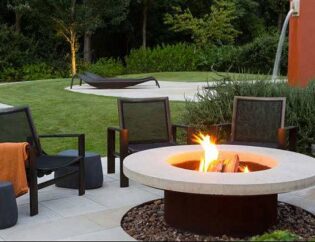
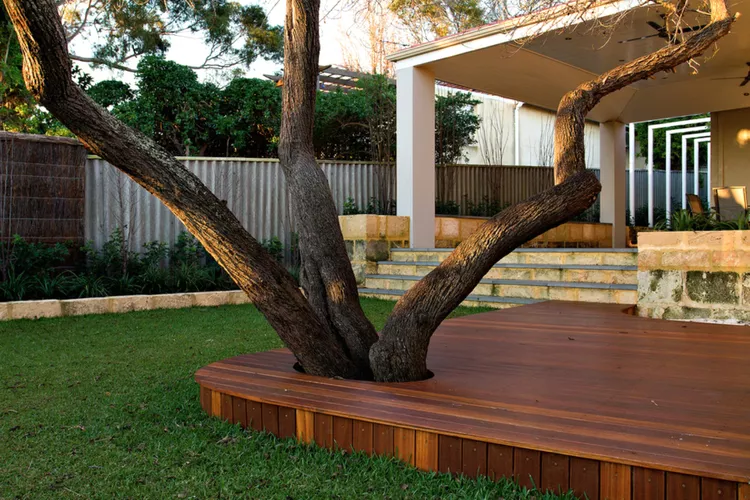
When it is necessary to create a space around a tree for relaxation while avoiding root damage, we often use raised structures. Elements such as terraces or decking allow for comfortable resting zones without disturbing the natural environment. In one of our projects, we created a secluded resting area with a wooden deck around an old chestnut tree. Underneath the deck, we left enough space for the roots to breathe, ensuring its normal growth.
Another solution for protecting roots is the use of portable furniture. This is particularly convenient when items in the garden need to be moved or when the design needs to be changed. We often recommend installing movable benches or decorative elements around trees, allowing for flexibility in the space without overloading it.
Vertical Elements: Functional and Stylish Solutions
When space around an old tree is limited, it is important not to overcrowd it with elements. We often incorporate vertical solutions for landscaping, such as decorative panels, vertical beds, or trellises. These not only maximize space efficiency but also create harmonious lines that highlight the beauty of the tree itself.
Additionally, vertical elements are ideal for gardens that require minimal maintenance. In one of our projects for a client, we used vertical garden structures, such as trellises for climbing plants. These solutions require little upkeep and blend perfectly with the existing trees, adding extra greenery to the garden.
Using Durable Materials and Resilient Plants
When designing a garden around old trees, we always opt for durable and environmentally friendly materials. Natural stone, wood, and high-quality tiles are excellent materials to use in gardens with old trees. These materials beautifully complement the natural landscape and blend harmoniously with your space.
For creating decorative zones, we often choose low-maintenance plants that do not compete with trees for nutrients. For example, in our projects, we often use ferns, hostas, and pulmonarias these plants thrive in the shade under trees and require minimal care.
Protection and Care for Old Trees
As Martin Palma, the founder of Ecolandscape Studio, said, «The health of old trees depends not only on how well we design the space but also on how carefully we treat them. Proper care and timely attention can significantly extend the life of a tree.»
We always recommend installing a drip irrigation system to ensure the tree roots receive regular and proper watering. This is particularly important during hot summers or extended periods of drought. Additionally, it is important to regularly remove debris that prevents water from reaching the roots and to mulch the soil to improve its structure.
Conclusion: How to Create a Harmonious Garden Around an Old Tree
At Ecolandscape Studio, we know that old trees are not just decorative elements; they are living monuments to nature that require careful attention and care. Therefore, when designing a garden around such trees, it is not just about creating a stylish and functional space but also maintaining a balance with nature to preserve the health of the trees.
With the right approach, old trees can become an integral part of your garden, creating an atmosphere of tranquility and charm. We always strive to meet the needs of your trees and design the space in such a way that it serves you for many years while delighting you with its beauty.
If you want to create a beautiful and harmonious garden around old trees that will delight you and your loved ones for many years, Ecolandscape Studio is ready to assist you with professional solutions for your landscape project.