Artificial ponds have long been an integral part of landscape design, bringing a sense of tranquility and harmony to gardens. However, traditional ponds may face a number of issues such as water pollution, excessive algae growth, or unpleasant odors. To avoid these problems, sustainable water bodies, which do not require chemicals to purify water, are increasingly used.
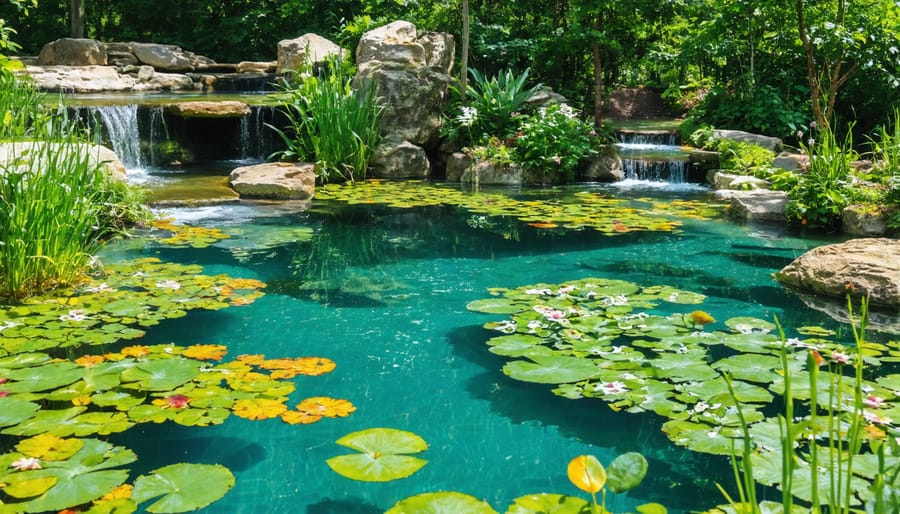
Biofiltration is a water purification system based on the use of living organisms. In water bodies with biofiltration, water is cleaned by aquatic plants, bacteria, and microorganisms that create a balanced ecosystem, effectively removing contaminants.
As Martin Palma, founder and CEO, emphasizes: «At Ecolandscape Studio, we always strive to create ponds that function as living ecosystems. It’s important that they utilize natural water purification processes rather than chemicals.»
According to experts on the Aquascape website, biofiltration systems, including aquatic plants such as reeds, bulrushes, and water lilies, can significantly reduce the need for mechanical filters and chemicals. These plants effectively purify water, maintaining its clarity and supporting the health of the entire ecosystem.
Modern Technologies for Sustainable Water Bodies
With the development of technology, new solutions for creating and maintaining sustainable water bodies are emerging. One such solution is water recirculation, a system where water circulates in a closed loop, preventing stagnation and pollution. Moreover, water from the pond can be used to irrigate the garden, thereby saving resources.
Another important element of sustainable water bodies is floating islands. These islands not only purify the water but also serve as decorative elements, creating additional living conditions for plants and animals.
According to recommendations from the Landscape Institute, water recirculation significantly reduces the need to add fresh water to the pond, helping maintain its cleanliness. This technology is especially relevant in areas with limited water resources, as it helps reduce overall water usage on the site.
Sensory Landscape: A Garden That Stimulates All Five Senses
A sensory landscape is a concept in landscape design that aims to activate all five human senses using elements from nature. Such a garden becomes not only visually attractive but also functional, helping immerse people in a full natural experience.
Martin Palma asserts: «At Ecolandscape Studio, we always consider sensory aspects when creating gardens. It is important that each element of the garden, whether it be the texture of the stones or the fragrance of the plants, impacts the perception. A sensory garden should not only please the eye but also offer unique experiences through all the senses.»
To create a sensory landscape, we recommend using fragrant plants (such as lavender, mint, and thyme), as well as various plant textures like moss, stones, and sand. Fountains or water streams will create an auditory backdrop that enriches the experience.
According to The Landscape Institute, sensory gardens help reduce stress and improve emotional well-being, especially in urban environments, where people often face a lack of nature. The use of sensory elements helps create spaces that are not only visually appealing but also positively impact emotional states.
Seasonal Transformation of Gardens: How Landscapes Change Throughout the Year
Seasonal changes in the garden are an important aspect of landscape design, making the garden a dynamic and living space. A garden that changes with the seasons remains interesting and attractive year-round.
Martin Palma shares: «At Ecolandscape Studio, we place great emphasis on ensuring that the garden is beautiful and functional throughout the year. The right choice of plants and decorative elements helps create a unique landscape that will delight the eye in both winter and summer seasons.»
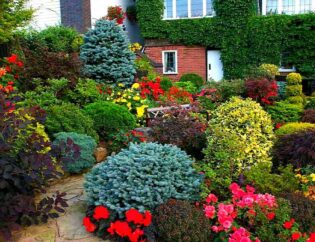
In spring, vibrant flowering plants and early bloomers can be added; in summer, decorative shrubs; in autumn, plants with colorful foliage such as maple and birch; and in winter, winter flowers and LED lights to create a cozy, atmospheric feel.
As Garden Design notes, seasonal transformations in the garden add variety and make the garden appealing at any time of year. It’s essential to select plants that are not only aesthetically pleasing but also resilient to changing climatic conditions.
Incorporating sustainable water bodies into landscape design is both an aesthetic choice and a step toward creating an ecologically sustainable ecosystem. Biofiltration, water recirculation, and sensory elements help create harmonious spaces that will delight year-round while minimizing environmental impact.
As Martin Palma emphasizes: «Our projects are always aimed at creating harmony between humans and nature. Sustainable water bodies, along with attention to sensory and seasonal aspects of gardens, allow us to create spaces that are not only beautiful but also sustainable, supporting biodiversity and preserving the ecosystem.»