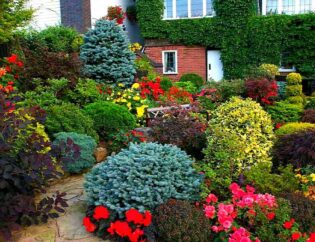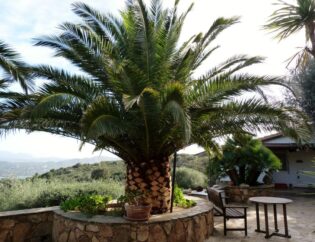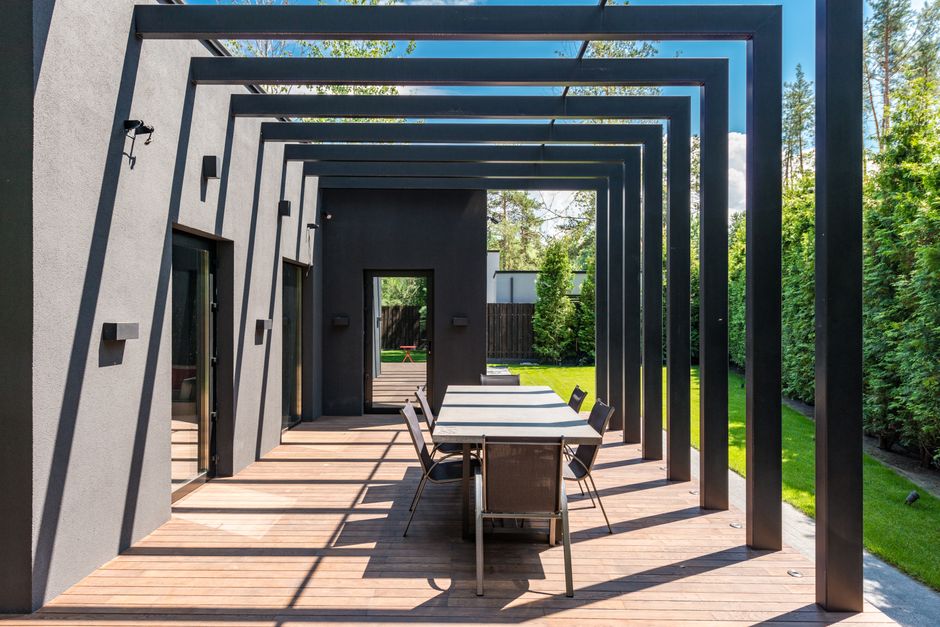
Your backyard does not have to be large or perfectly shaped to become a place you genuinely enjoy. Whether you are working with a compact urban lot, a sprawling suburban yard, or something in between, the right residential landscape design can completely change how your outdoor space feels and functions. The key is knowing which ideas actually translate well from inspiration boards into real gardens, and which ones are worth skipping.
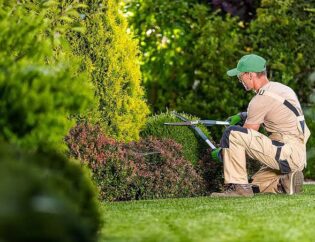
At Ecolandscape Studio, we work with homeowners across a wide range of property types, and one thing we see consistently is that people underestimate how much a thoughtful yard landscaping design can do for their daily life. A well-planned outdoor space is not just about looks. It affects how you use your property, how much time you spend maintaining it, and even how your home feels from the street.
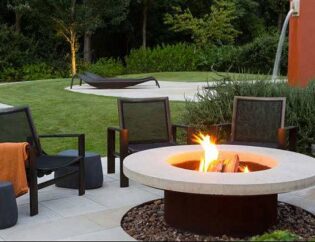
Before choosing plants, materials, or features, it helps to think about how you want to use the space. A backyard designed for entertaining looks very different from one designed for quiet relaxation or for growing food. Patio landscaping ideas that work beautifully for a family with kids may not suit someone who wants a calm, low-traffic garden retreat.
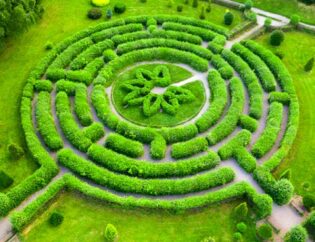
For smaller properties, small backyard design benefits most from layered planting, defined zones, and vertical elements that draw the eye upward rather than across. Raised beds, compact seating areas, and clever garden edging ideas can make a tight space feel intentional and complete rather than cramped.
For larger yards, the challenge is often the opposite. Without structure, a big backyard can feel empty or disconnected. Breaking the space into distinct areas, using planting design to create natural transitions, and adding landscape lighting ideas to extend usability into the evening all help a large yard feel cohesive and lived-in.
Privacy landscaping is another practical consideration that comes up in almost every project. Strategic placement of tall grasses, dense shrubs, or a combination of fencing and plantings can create a sense of enclosure without making a yard feel boxed in.
One of the most common mistakes in home garden design is choosing plants based purely on appearance without considering how much care they will need. Low maintenance garden design starts with plant selection. Native plant garden design is one of the most reliable approaches because native species are already adapted to local conditions, which means less watering, less fertilizing, and fewer problems overall.
Drought tolerant garden design and xeriscape garden design have moved well beyond the gravel-and-cactus aesthetic that many people still associate with water-saving landscapes. Today, water wise landscaping can be lush, colorful, and full of texture. Ornamental grasses, flowering perennials, and groundcovers can replace traditional turf and still deliver a beautiful result with far less input.
Pollinator garden design has also become a meaningful part of modern garden design, and for good reason. Planting for bees, butterflies, and other beneficial insects improves the health of the entire garden ecosystem. It also adds movement and life to a yard in a way that purely decorative planting cannot.
For properties in drier or fire-prone regions, fire resistant landscaping is a practical priority. This means choosing plants with high moisture content, avoiding dense accumulations of dry material near structures, and creating defensible space through thoughtful layout and plant selection.
Rain garden design is worth considering for yards that collect water during heavy rainfall. A well-placed rain garden can redirect runoff, reduce erosion, and support moisture-loving plants in a spot that might otherwise stay soggy and unusable.
Martin Palma, founder and CEO of Ecolandscape Studio, often points out that the projects with the best long-term results are the ones where homeowners made decisions based on their actual lifestyle rather than trends. In his experience, a backyard that gets used every day because it fits how the family lives will always outperform a showpiece garden that looks impressive but feels impractical to maintain or enjoy.
Lawn alternatives are increasingly popular for good reason. Traditional grass lawns require significant water, fertilizer, and regular mowing. Replacing all or part of a lawn with groundcovers, permeable paving, or mixed planting beds can dramatically reduce maintenance while improving the overall character of the yard.
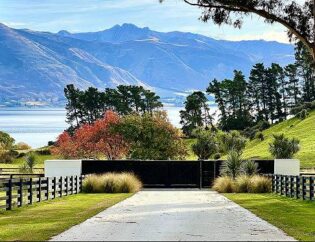
Front yard landscaping ideas follow similar principles. Curb appeal matters, but so does practicality. A front yard that is easy to maintain, welcoming to visitors, and appropriate for the local climate will serve a homeowner far better than one that demands constant attention to stay presentable.
Outdoor living space design ties everything together. When seating areas, planting, lighting, and pathways are planned as a unified system rather than added one piece at a time, the result feels intentional and comfortable. That sense of cohesion is what separates a yard that looks designed from one that simply looks busy.
Whatever your space looks like right now, the most useful step is to start with an honest assessment of what you have, what you need, and what level of maintenance you are genuinely prepared to commit to. From there, the right backyard landscaping ideas tend to become much clearer.