Bark from trees is one of the most versatile and eco-friendly materials used in landscape design. It can transform your garden, adding natural charm while solving several practical problems at once. Understanding how to properly apply this material is crucial not only for ensuring an attractive appearance but also for the longevity of the garden. In this article, we will explore various types of bark, its role in design, and provide recommendations from the experts at Ecolandscape Studio, ensuring your garden is both beautiful and healthy.
Bark as the Foundation of Decorative Solutions
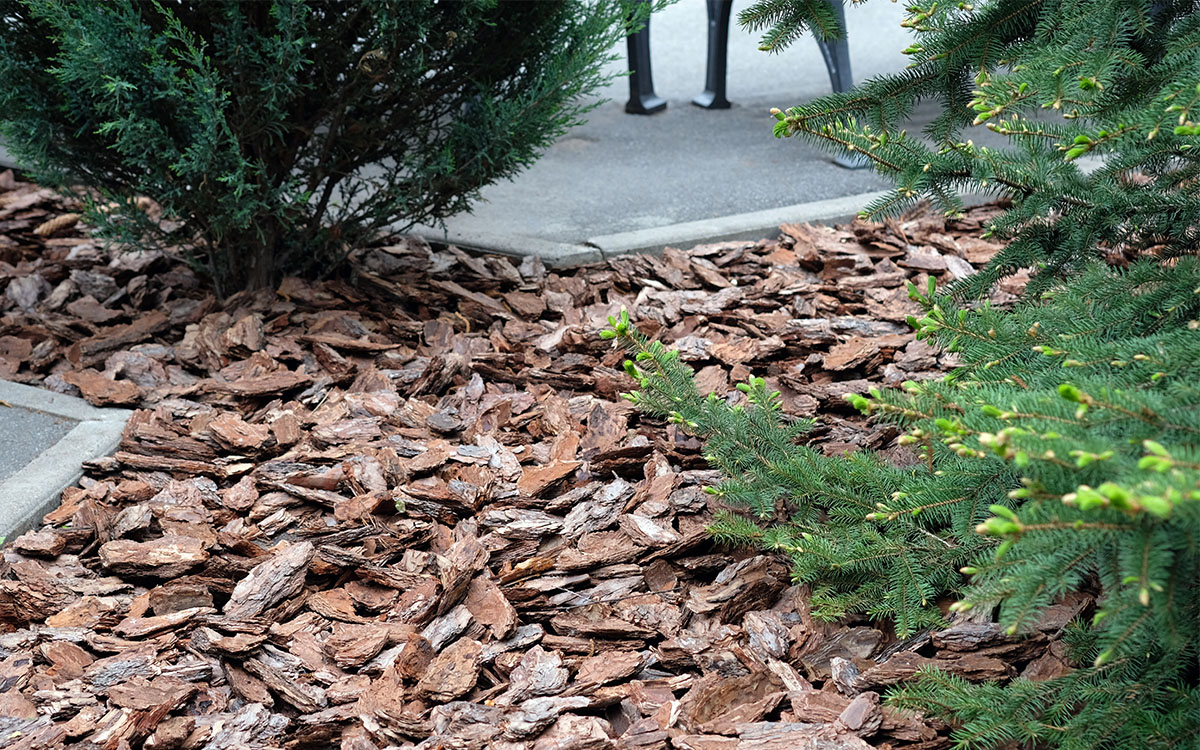
Each type of bark has its unique texture and color, making it an indispensable material for creating decorative elements. For example, the light, almost white surface of birch bark catches the eye with its elegance and simplicity. On the other hand, the bark of coniferous trees, such as pine and spruce, has a warmer, richer hue, creating a sense of comfort and harmony.
Using bark as a material for borders, decorative paths, and flower beds allows you to add natural accents to your garden that complement the greenery and other plants. At Ecolandscape Studio, we frequently use bark to finish garden zones, as it not only enhances the beauty but also helps define clearer boundaries between different areas of the plot.
Mulching with Bark: Practical Value
One of the most popular ways to use bark in landscape design is mulching. This process provides numerous benefits to plants: protection from freezing, moisture retention in the soil, and weed prevention. For example, the bark of coniferous trees helps regulate soil acidity, which is particularly important for plants that thrive in more acidic environments, such as rhododendrons, conifers, and certain flowering plants.
At Ecolandscape Studio, we believe that bark is not just an aesthetically pleasing element but also a very effective solution for creating a sustainable microclimate. Mulching with bark helps prevent soil erosion and promotes natural soil restoration. This method also saves time on garden maintenance, as it significantly reduces the need for weeding.
Protecting Plants Using Bark
Bark also plays a key role in protecting plants, especially during the cold season. A layer of bark helps retain warmth in the root system and prevents the soil from freezing, which is especially important for young plants and perennials.
At Ecolandscape Studio, we often recommend using bark to create «coverings» for plants that require additional protection from the cold. This is particularly important in areas with harsh winters, where temperatures can reach critical levels for many plant species.
Decorative Paths and Landscape Design Elements
Bark is an excellent solution for creating paths, fences, and other small architectural elements in the garden. This material harmonizes well with any landscape style, from classic to modern. Using bark to cover garden paths helps maintain the aesthetic appearance of the area while ensuring good water permeability and preventing soil erosion.
An important aspect is that bark decomposes over time, improving soil structure and enriching it with organic matter. This also makes such coverings environmentally friendly and suitable for all types of gardens.
Variety of Bark Types: What to Choose for Your Garden?
The choice of bark type depends on the goals you wish to achieve. Here are the main types of bark we use at Ecolandscape Studio:
- Coniferous tree bark (pine, spruce, larch) — used for mulching and creating decorative elements. It is durable and has a pleasant aroma, creating a cozy atmosphere in the garden.
- Deciduous tree bark (birch, oak, aspen) — preferred for decorative elements and borders, thanks to its light shades and pleasant texture.
- Willow bark — suitable for making decorative structures and plant protection, and can also be used for mulching.
Environmental Benefits of Using Bark
Bark is a natural and eco-friendly material. Unlike synthetic coverings, it contains no harmful chemicals, does not damage the environment, and helps maintain the natural biodiversity of the garden. Moreover, bark improves soil structure, its air and water permeability, and helps maintain a healthy microclimate on the site.
Using bark in landscape design is a step towards creating an eco-friendly, sustainable garden that will delight with its natural beauty and vitality.
Bark from trees is not just a decorative element but also a functional material that plays a crucial role in improving conditions for plant growth, maintaining soil balance, and creating a healthy ecosystem. At Ecolandscape Studio, we predict that in the future, interest in using natural materials such as bark will only grow, as they contribute to the creation of sustainable and eco-safe gardens.
We recommend using different types of bark depending on your garden style and climate conditions. With its help, you can address tasks related to improving soil structure, protecting plants, and creating harmonious garden layouts. It’s important to remember that bark requires minimal maintenance and retains its qualities over many years.
Therefore, using bark is not only a solution to enhance the aesthetic appeal of your garden but also a way to contribute to the sustainable and eco-friendly development of your plot.