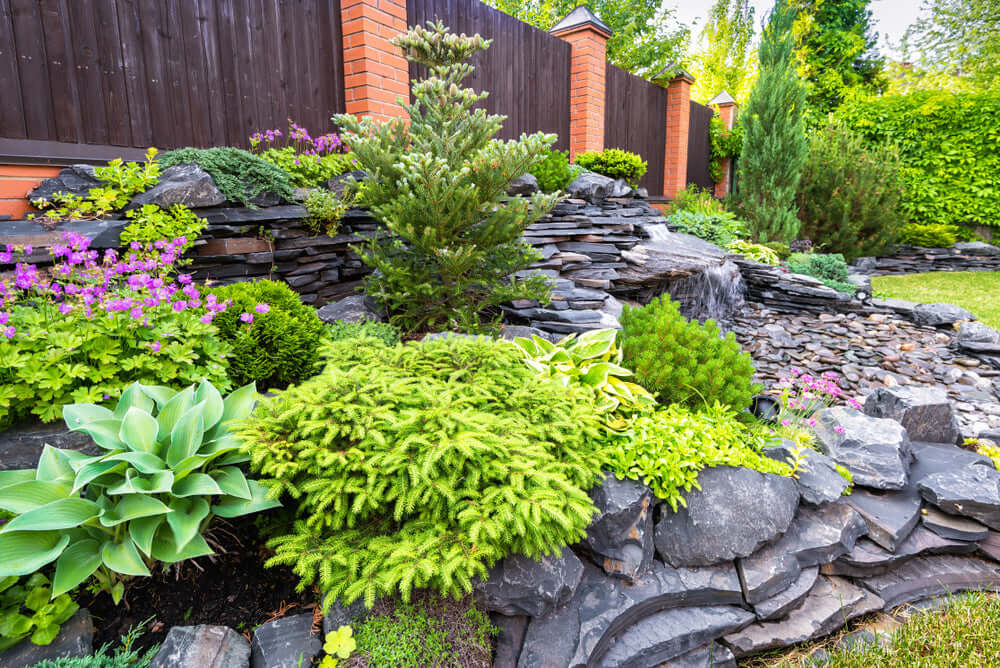
Decorative leaves are not just elements of landscape design, but powerful tools for creating accents and a unique atmosphere in the garden. Unlike flowers, which have a temporary nature, decorative foliage plants bring lasting beauty and harmony to the space, becoming an essential part of the garden all year round. Their variety of shapes, textures, and shades allows for creating not only visual accents but also solving functional tasks such as zoning and improving the microclimate.
At Ecolandscape Studio, we believe that decorative foliage plants are not just decorations, but elements that can greatly influence the perception of the entire garden. It is essential to choose plants with unique leaves that highlight the aesthetics and character of your space. In this article, we will explain how to use decorative leaves to create stylish and harmonious accents, and share recommendations to help you better unlock the potential of foliage plants in landscape design.
Color Accents and Brightness in the Garden
The color of the leaves is one of the most powerful ways to add dynamism and brightness to your garden. It’s especially important to use shades that harmonize with the overall palette of the space. Bright colors, such as purple, orange, yellow, or rich green, can become the focal points that bring a picturesque feel to the garden. For example, the red leaves of a Japanese maple or barberry contrast beautifully with a green backdrop, adding energy and visual expressiveness.
At Ecolandscape Studio, we believe that vibrant leaves are an excellent way to set the mood in different parts of the garden. For instance, in some areas, you can create bold accents for contrast and drama, while in others, more subtle plants can be used to create a calm and balanced atmosphere.
Textural Contrasts for Depth in Composition
The texture of the leaves plays an equally important role in landscape design. Different textures can create stunning contrasts, adding visual depth to the garden. For example, the large leaves of ferns or dieffenbachia with their corrugated texture can provide a striking contrast to the more delicate, smooth leaves of baby’s breath or lavender. This contrast helps make the composition more layered and interesting.
At Ecolandscape Studio, we often use textural contrasts to visually expand the space and highlight accents in complex garden compositions. By playing with textures, we can create gardens that not only please the eye but also offer a calming effect, which is especially important for rest and relaxation outdoors.
Using Foliage to Draw Attention
Leaves with unusual shapes or colors always attract attention. These are ideal plants for creating focal points in the garden. For example, the striking leaves of coleus or boxwood can become vibrant centers of the composition, guiding the eye and adding individuality to the space. Such plants are perfect for outlining pathways or highlighting specific areas of the garden.
We predict that in the future, decorative foliage plants will play a key role in creating unique gardens, where every detail will be focused on enhancing the overall composition. This will undoubtedly help create gardens that inspire and stay in memory.
Leaves as an Important Element in Shady Areas
Shaded areas in the garden can be just as attractive as sunny ones. They should not be dull or lifeless. Decorative plants with interesting foliage can breathe life into these zones, adding atmosphere and expressiveness. Ferns, astilbes, and saxifrages—these are excellent plants for shade, with their delicate leaves that thrive in low light conditions.
At Ecolandscape Studio, we are confident that shaded areas can be just as stylish and inviting as sunny ones. By adding decorative foliage plants, you can create cozy and stylish resting spots that perfectly fit into any garden composition.
Harmony and Contrast Through Foliage Plants
One of the best ways to highlight the beauty of your garden is by combining plants with different types of foliage. Combining the small leaves of baby’s breath with the large leaves of plane trees or hostas can create layered, visually interesting compositions. The contrast between different leaf shapes enhances the garden’s appeal and helps to create a clear structure.
It is important to remember that harmony is achieved through the proper distribution of space and the choice of plants with complementary textures and colors. This ensures balance and contributes to creating a comfortable atmosphere.
Leaves as a Structural and Decorative Element
Leaves can not only serve as decorative elements but also as structural components of your garden. For example, using large and dense leaves, you can highlight pathways, create visual barriers, or even divide different zones. Plants such as dieffenbachia or burdock are perfect for use as borders or fences, giving the garden a finished and organized look.
Using decorative foliage plants in garden design is not only a way to create aesthetically appealing elements but also a way to emphasize the individuality of your garden. Leaves in various shapes, textures, and colors can add depth, brightness, and originality.
At Ecolandscape Studio, we are confident that decorative foliage plants will continue to gain popularity. They possess versatility and the ability to create harmonious, dynamic, and unique landscapes. Choose vibrant foliage plants for accents, experiment with textures, and don’t forget about shady areas, where decorative leaves can play a key role in shaping the atmosphere.
As Martin Palma, the founder and CEO of Ecolandscape Studio, always emphasizes: «The right choice of decorative plants not only gives your garden a unique character but also helps highlight its functionality, creating a comfortable and aesthetically pleasing space for relaxation and enjoyment of nature.»









