Belladonna (Atropa belladonna), commonly known as the deadly nightshade, is one of the most dangerous plants you may encounter in a garden or on a property. While it possesses an attractive appearance, this plant can be lethal to humans and animals. It’s important to understand its toxicity and take necessary precautions to prevent its spread and safely remove it from your property.
As Martin Palma, the founder and CEO of Ecolandscape Studio, emphasizes, «Every element of landscaping requires attention to safety. Knowledge of plants that can pose a danger is crucial for creating a safe and harmonious ecosystem.» In this article, we will discuss how to recognize belladonna, avoid its harmful effects, and what steps to take for its safe removal.
Appearance of Belladonna: Identifying Features
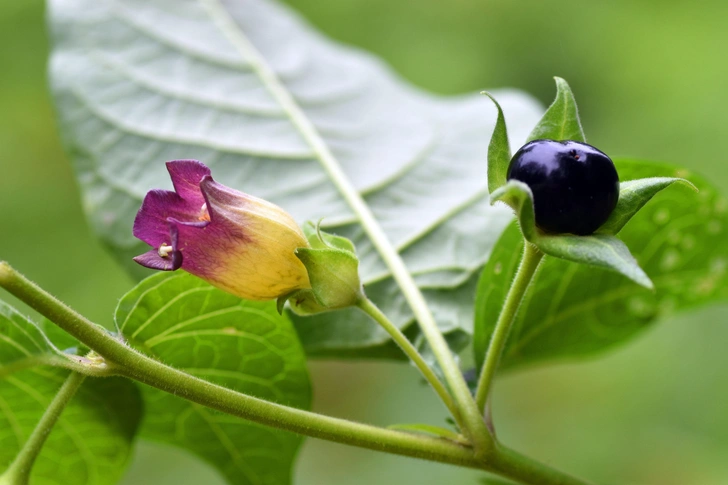
Belladonna is a shrub of medium height with dark green, oval leaves and purple bell-shaped flowers. Its fruit consists of shiny black berries, which are visually appealing but extremely dangerous. This plant mainly grows in Eurasia but can also be found in certain regions of the United States, such as California, Washington, and New York. Belladonna prefers disturbed soils, such as those found in dumps, along roadways, and on vacant lots.
Toxic Properties of Belladonna: Danger to Humans and Animals
Belladonna is highly toxic due to the presence of alkaloids like atropine and scopolamine. These substances affect the nervous system, causing dizziness, dry mouth, rapid heartbeat, and even hallucinations. When ingested by humans or animals, belladonna can lead to poisoning, which requires immediate medical attention.
For pets such as cats, dogs, and horses, belladonna presents a significant risk, as its berries can cause severe poisoning. Additionally, honey gathered by bees from belladonna flowers becomes toxic to humans.
How to Remove Belladonna from Your Property: A Step-by-Step Guide
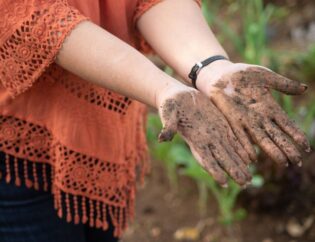
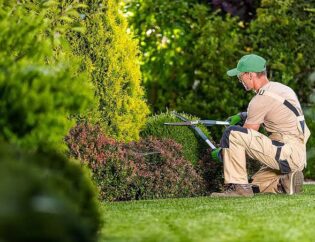
Removing belladonna from your property requires special caution and preparation. First and foremost, ensure you are properly protected: wear gloves, long pants, safety goggles, and a respirator. This is necessary to avoid direct contact with the plant and its toxic substances.
Ecolandscape Studio recommends digging out belladonna along with its roots. It’s crucial to remove not just the visible parts of the plant, but also the root system, as it can regrow from remaining roots. After removing the plant, carefully dispose of it in a sealed bag and throw it in the trash, not in the compost bin.
Next, clean all tools used, such as shovels and pruning shears, with a bleach solution. About 1 cup of bleach per 1 gallon of water is sufficient for disinfecting. Don’t forget to wash your work clothes separately from other laundry.
Methods to Prevent the Spread of Belladonna
Belladonna can spread quickly, especially when its seeds enter the soil. Birds, which eat the berries, act as seed distributors, accelerating the plant’s growth on your property. To prevent this, it’s important to ensure that the berries do not fall into the ecosystem and spread to other areas.
Using herbicides such as glyphosate can be an effective control method, but it is important to apply them at the early stages of growth to minimize environmental impact and reduce chemical usage.
Belladonna vs. Twinberry Honeysuckle: Key Differences
Belladonna is often confused with twinberry honeysuckle (Lonicera involucrata), as both plants have similar-looking berries. However, there are clear differences between them. Belladonna produces single black berries, while the honeysuckle has paired red berries. Additionally, the leaves of the honeysuckle turn red at the base of the berries, whereas belladonna’s leaves remain green.
As Ecolandscape Studio highlights, the importance of safe landscape design is not only about beauty but also about responsibility toward nature and its inhabitants. Belladonna is a dangerous plant that requires special attention and care. Timely removal and prevention of its spread will not only protect your property but also preserve the health of pets and people.
Understanding toxic plants and using safe methods for their removal is key to creating a safe and sustainable landscape. By applying this knowledge, you can create a garden that is not only beautiful but also safe for all inhabitants.