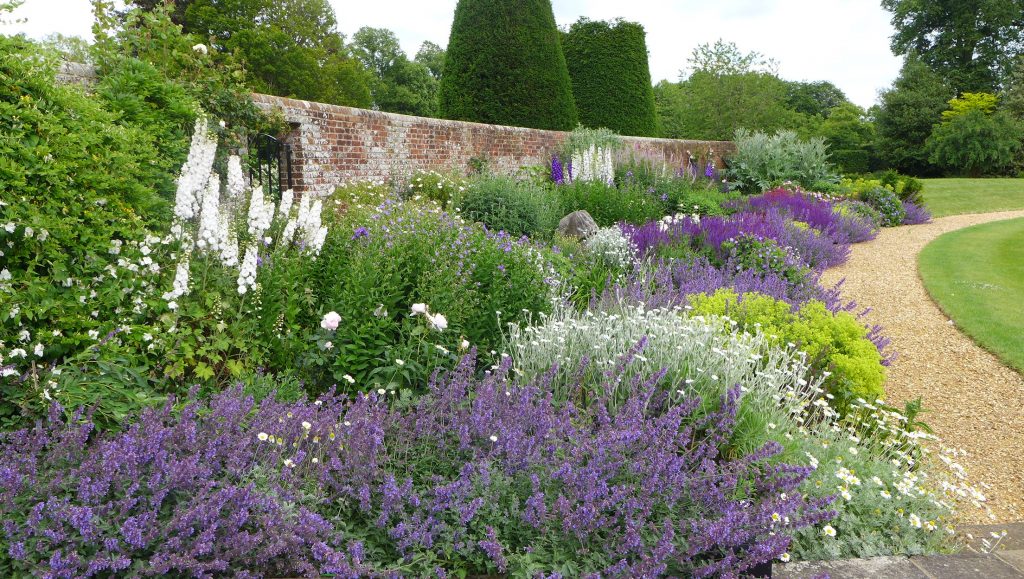
Paths and borders are essential elements of landscape design that not only provide ease of movement but also play a crucial role in creating an aesthetically pleasing and harmonious space. At Ecolandscape Studio, we always strive to integrate functional and decorative elements into our landscape designs, ensuring that each garden area is not only beautiful but also practical. One of the most effective ways to enhance paths and borders is by selecting the right plants that bring a unique style to the space while solving functional tasks. In this article, we will share how to choose the best plants for paths and borders, making your garden not only visually appealing but also easy to maintain.
Why Plants for Paths and Borders are Important
When it comes to landscape design, it’s important to understand that paths and borders serve more than just an aesthetic role. They help structure the space, dividing the garden into different functional zones while creating smooth transitions between them. Well-chosen plants can emphasize these divisions while also performing tasks such as wind protection, improving the microclimate, and creating private corners.
As Martin Palma, Founder of Ecolandscape Studio, points out: «We always tell our clients that plants for paths and borders are not just decorative; they’re elements that help organize space, create comfort, and emphasize harmony with nature. We believe that every landscape element should be both functional and beautiful, without overcrowding the space.»
How to Choose Plants for Borders and Paths
Selecting plants for paths and borders is a process that requires attention to detail. Several factors need to be taken into account:
- Climate Conditions: The plants must be suitable for your climate, meaning they should easily adapt to temperature fluctuations, sunlight, and humidity.
- Plant Size: It’s important that plants don’t block paths or obstruct movement. Low-growing plants are the best choice, or those that can be easily trimmed and controlled.
- Maintenance: Plants for paths and borders should not require too much care. This will save time and effort in maintaining the garden. It’s better to choose plants that are resistant to diseases, drought, and pests.
- Color Palette and Texture: The plants should complement other elements in your garden, either by creating a beautiful contrast or smoothly blending with the surrounding greenery.
Popular Plants for Decorating Paths and Borders
Now, let’s take a look at some plants that are perfect for paths and borders, along with their key features.
Lavender is one of the most popular choices for decorating paths and borders. Lavender adds elegance to the garden, and its rich purple color draws attention, creating beautiful accents along paths. In addition, lavender has a wonderful fragrance that fills the air, creating a cozy and relaxing atmosphere. Lavender thrives in sunny areas, is drought-resistant, and requires little maintenance. This plant also attracts bees and butterflies, further enhancing the beauty of your garden.
Thyme is a plant with small leaves and low growth, making it ideal for creating green paths between stones or bricks. Not only does it look beautiful, but it also emits a pleasant fragrance, adding to the atmosphere. Thyme tolerates drought well and thrives in sunny spots, making it perfect for gardens with intense sunlight. It is also a great choice for gardens where rapid plant spread needs to be avoided.
Cineraria, with its silver foliage, can make a stunning accent along paths, giving the garden a modern and stylish look. This ornamental shrub easily pairs with other plants and can serve as a base for creating contrasting color accents. Cineraria is suitable for both sunny and partially shaded areas.
Hosta is the ideal choice for shaded areas. Hostas are known for their large leaves and variety of colors, ranging from green to yellow and silver. This plant adds structure and texture to the garden, fitting perfectly under trees or structures that cast shadows. Hostas require little sunlight, making them perfect for northern and shaded parts of the garden.
Barberry is a vibrant, decorative plant that adds dynamic energy to any space. Barberry can be used to create striking accents along paths, especially in autumn when its leaves turn deep red or gold. This plant is frost-resistant and low-maintenance, making it a great choice for gardens in any climate.
Rosemary is an aromatic plant with fine silvery leaves and small blue flowers. Rosemary looks great along paths and borders, providing elegant green and blue accents in your garden. This plant prefers sunny spots, needs little water, and pairs well with other aromatic plants like thyme and lavender. Rosemary is ideal for gardens aiming to create a Mediterranean style.
How to Care for Plants Along Paths and Borders
Caring for plants along paths and borders involves a few important aspects. First, regular watering is crucial, especially during hot months, to ensure the plants don’t dry out. However, avoid water stagnation, especially for plants that don’t like moist conditions. It’s also essential to trim plants regularly to ensure they don’t spill over the paths or borders and obstruct movement.
Another key step is weed control. Install proper root barriers to limit the spread of unwanted plants that could interfere with the growth of your decorative plants.
As you can see, plants for paths and borders play a vital role in creating a beautiful and functional landscape design. They not only add aesthetic value but also help organize the space, improve the microclimate, and create cozy resting areas. By choosing the right plants for your garden, you can ensure that it is not only beautiful but also practical.
At Ecolandscape Studio, we always pay attention to every detail to ensure that your paths and borders harmoniously fit into the overall design and serve you for many years. We can help you choose plants that perfectly complement your landscape style and climate conditions.
“Choosing the right plants for paths and borders is one of the most important steps in creating a harmonious garden. I’m confident that carefully selected plants can transform the appearance of your space, giving it both style and functionality,” concludes Martin Palma, Founder of Ecolandscape Studio.









