Pruning trees and plants is an essential part of plant care, helping to maintain their health, stimulate growth, and create an attractive appearance. While pruning may seem like a daunting task for gardeners, regular and proper pruning can significantly improve the health of your greenery. At Ecolandscape Studio, we understand that each plant requires an individual approach depending on the season and its specific needs. In this article, we’ll share helpful tips on proper pruning to ensure your plants remain healthy and beautiful for a long time.
When and What to Prune?
The right time for pruning depends on the type of plant and its growth phase. Pruning done at the wrong time rarely leads to plant death, but it can affect flowering and fruiting. Martin Palma, founder and CEO of Ecolandscape Studio, believes that a gardener should understand the plant’s biological rhythms and adjust pruning accordingly. «For each plant, it’s important to choose the right time to prune, not to cause stress but to stimulate development,» says Martin.
In spring, pruning is necessary to stimulate the growth of new shoots, especially for plants that flower in spring. This time is ideal for removing old and damaged branches, thus improving the shape and health of the plant. For most fruit trees and berry bushes, the best time for pruning is late winter or early spring. This period promotes improved plant shape, increased productivity, and disease prevention.
Some plants, such as fast-growing shrubs and perennials, may require pruning in the summer to control their size or shape. Regular pruning helps prevent overcrowding and maintains the plant’s attractive appearance.
How to Prune Trees and Shrubs Properly?
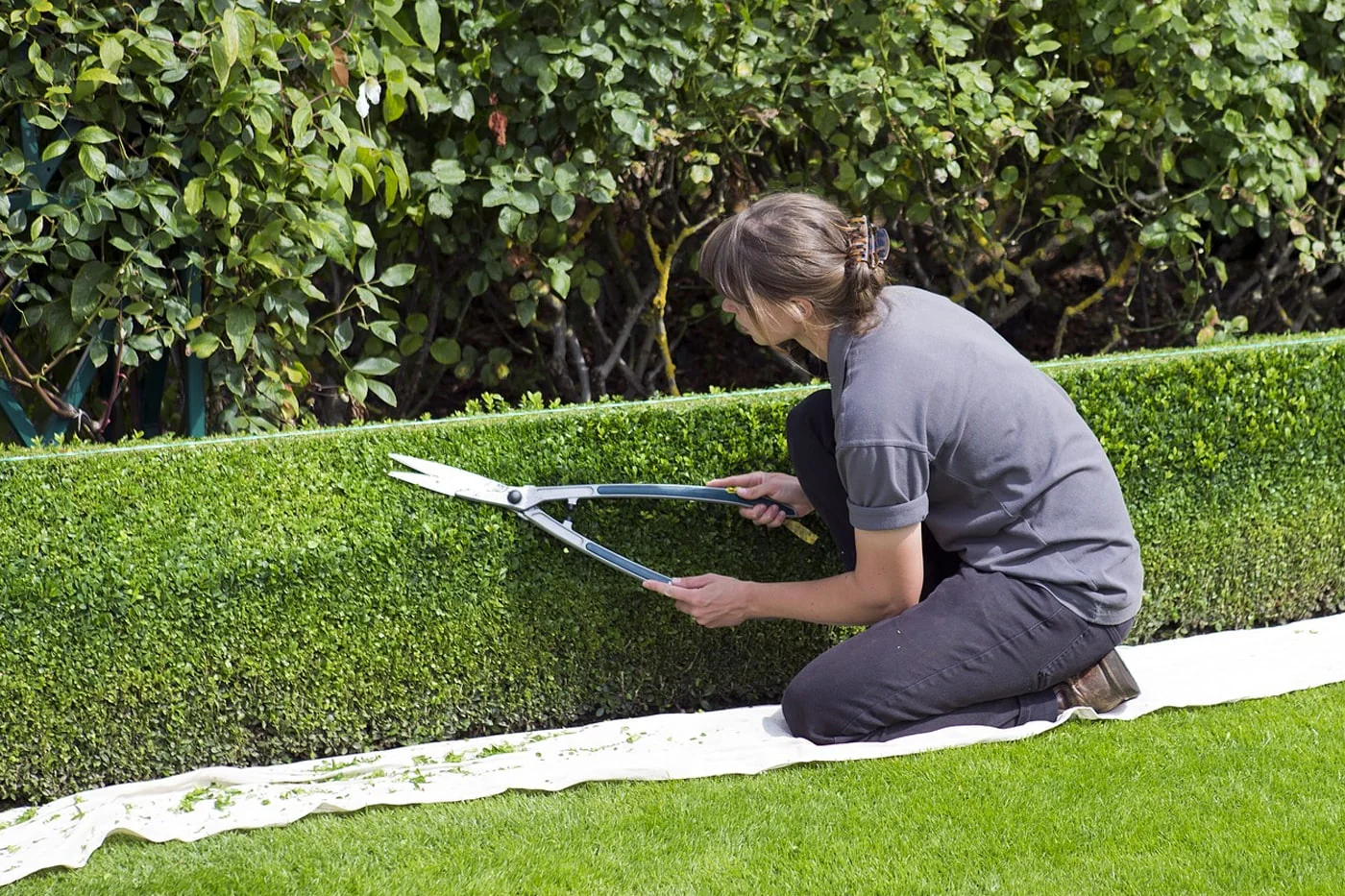
Before starting to prune, it’s important to inspect the plant. Use sharp pruning shears and garden scissors. Improper pruning can damage the tree, reduce its disease resistance, or even lead to its death. Martin Palma emphasizes: «The right tools and pruning techniques are the key to successful plant care.»
When pruning, carefully assess the overall shape of the plant and decide which branches need to be removed. Start by removing dead, diseased, or damaged branches. This helps prevent the spread of diseases and improves air circulation. Thinning also helps redistribute energy to new healthy shoots. To stimulate lateral growth, prune the tips of the shoots. This helps the plant become denser and more structured. However, be careful not to over-prune and remove too much greenery, especially during later growth stages.
Pruning Berry Bushes
Berry bushes such as raspberries, blackberries, and black currants require special care. Proper pruning promotes better fruiting and improves the shape of the bush. The best time to prune these plants is during the winter or early spring when they are in a dormant state. Remove old, diseased, and damaged shoots. Leave 10-12 strong shoots and remove the excess. Trim the bushes to keep them from growing too tall and ensure they remain compact, helping them develop healthily.
Pruning Flowering Plants
Flowering shrubs and vines need timely pruning to maintain beautiful blooms. It’s important to keep track of the plant’s blooming time. After flowering, remove wilted and damaged branches. This helps the plant focus its energy on forming new buds. Also, remove shoots growing at the base as they will not produce quality blooms. When cutting branches, make cuts just below a healthy bud to preserve the plant’s shape and keep it neat.
Pruning Perennials
Perennial plants also require regular pruning to maintain health and shape. In autumn or early spring, remove dead plant parts down to ground level. This helps prevent overcrowding and keeps the plants looking decorative. Throughout the season, pinch off faded flowers to stimulate new blooms and maintain the plant’s appearance. Also, prune excessively grown shoots so they don’t take over the bed and hinder the development of other plants.
Pruning Evergreen Plants
Evergreen plants require less attention than deciduous plants, but in certain cases, they too need pruning. Over-pruning conifers can lead to stress, so it’s important to approach this process carefully. Remove only dead or damaged branches, which will help improve plant health and prevent disease development. Minimal pruning is recommended for conifers to avoid damaging them.
Pruning trees and plants is an important aspect of care that helps maintain their health, shape, and decorative appearance. Each plant type requires an individual approach, and it’s essential to understand when and which branches need to be removed to stimulate growth and improve fruiting. As Martin Palma noted, «Successful pruning is a balance between art and science.» With experience, you’ll be able to prune your plants in such a way that they not only grow well but also bring joy with their beauty and productivity.
At Ecolandscape Studio, we emphasize the importance of paying attention to each plant in your garden and following these simple tips. Proper pruning not only contributes to plant health but also maintains harmony and order in your garden.