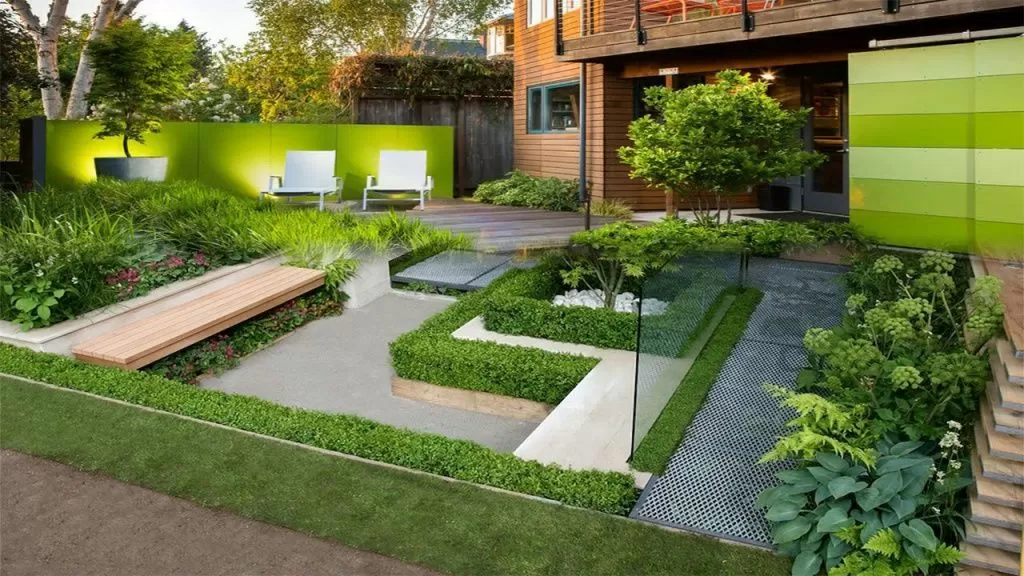
Uneven plots, sharp corners, narrow yards, and unpredictable land shapes are often seen as challenges when planning landscape design. However, such spaces can become some of the most expressive and functional areas of your yard if approached with creativity and thoughtful planning.
In the Ecolandscape Studio blog, we share our experience, practical approaches, and design strategies to help you transform complex plots into comfortable, stylish, and functional outdoor living areas.
Our approach is based on best practices in landscape design, combined with our own experience in handling challenging plots. As Martin Palma, founder and CEO of Ecolandscape Studio, notes: “Complex spaces are an opportunity to go beyond standard solutions and create a unique, personalized landscape that reflects your lifestyle and enhances the comfort of your home.”
Why Unusual Plots Are an Opportunity, Not a Problem
Not every yard has perfect square proportions or straight lines. Often, plots take the form of triangles, narrow side corridors, corners behind the house, or hard-to-reach areas near structures.
Many homeowners see such spaces as a problem, but landscape designers view them as creative opportunities. According to research in biophilic design, integrating natural elements into complex areas enhances the feeling of coziness, expands visual perception of space, and adds depth to the garden.
With the right strategy, even the most “awkward” plot can become a favorite part of your yard.
Triangular Gardens: Emphasize or Soften the Unique Geometry
Triangular spaces often appear visually unbalanced. They can be approached in two ways:
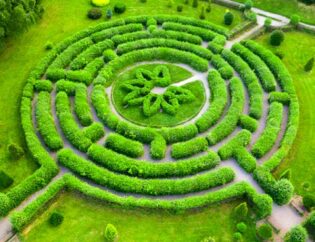
- Highlight the triangle as a design feature. In this case, clean lines along the contour, neat pathways, symmetrical plantings, and a central focal point turn the plot into a structured, modern garden element. In larger triangles, a central tree, tall shrubs, or a decorative sculpture draws the eye and creates a vertical element that enhances the sense of balance.
- Soften the shape with gentle lines. Curved flower beds, cascading plantings of ornamental grasses, and low shrubs help visually soften the boundaries of the triangle. In such compositions, attention shifts to the natural rhythms of the plants rather than the geometric shape.
Your choice of strategy depends on whether you want to emphasize the plot’s architectural form or create a more natural, flowing space. Professional landscape designers often combine both approaches, adding decorative lighting and textured elements.
Narrow Side Yards: How to Avoid the Tunnel Effect
A side yard is often seen as a passage between the front and back yards—functional but dull. However, these areas can be transformed into decorative spaces that enhance the sense of openness and improve the visual rhythm of the entire yard.
- Use repeating plants with interesting textures and shapes to create rhythm and depth. Evergreen shrubs, narrow-leaved plants, and repeating color accents help unify the space and encourage the eye to move along the path.
- Climbing plants on trellises and vertical structures draw attention upward. This is especially useful for visually expanding narrow corridors, as the eye doesn’t get stuck on walls or fences but moves upward, creating a sense of height.
- Adding a cozy corner with a bench, a small chair, or a mini fountain at the end of the path makes this section functional and pleasant, not just a passage.
Awkward Corners: How to Create Expressive Rest Areas
Corners near garages, spaces by fences, or wedge-shaped areas near terraces are often left empty. At Ecolandscape Studio, we see these zones as opportunities to add unique elements to the landscape.
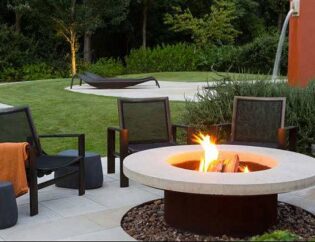
One way to enliven “dead” corners is to create rest areas. A hanging chair under a tree, a small table with two chairs, or a cozy corner with soft furniture turns a forgotten space into a personal relaxation and social area.
Tall architectural plants, large containers with ornamental grasses, or structural elements such as garden sculptures help guide the eye and mark these corners as full-fledged, important parts of the garden. From a biophilic design perspective, such areas create a sense of comfort and security, enhancing the enjoyment of your yard.
Tools and Materials That Work with the Shape
To give complex plots a sense of coherence and beauty, it’s important to use the right materials:
- Natural stone or textured tiles add tactile interest and ensure safe footing.
- Terracotta elements and gravel paths provide visual contrast with greenery and help soften harsh plot lines.
- Vertical wooden or metal structures support climbing plants and visually expand the space upward.
- Garden lighting with spotlights highlights the architecture of plants and focal areas in the evening.
Using these materials allows you to create a cohesive landscape design that works with the plot’s shape rather than against it.
Expert Advice on Planting
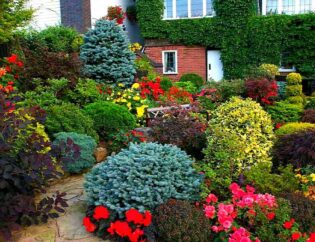
Plant selection is crucial when working with unusually shaped plots. It’s recommended to combine hardy perennials with seasonal accents. For example, ornamental grasses and evergreen shrubs can serve as structural elements, while seasonal flowers add soft color and texture highlights.
Experience at Ecolandscape Studio shows that plants with contrasting foliage and varying heights create visual interest and help unify yard zones, even if they have irregular shapes.
Conclusion: Space Is Opportunity
Irregular plots are often seen as a limitation, but in skilled hands, they become expressive and functional landscape elements. Triangular zones gain balance, narrow corridors turn into lively passages, and awkward corners become cozy resting spots.
Landscape design is the art of seeing potential in space. With the right approach, you can create a yard that looks harmonious, is comfortable and personalized, reflects your family’s style, and strengthens your connection with nature.
If you want to take the design of your complex plot to the next level, the Ecolandscape Studio team is happy to help you plan, visualize, and realize the perfect landscape.