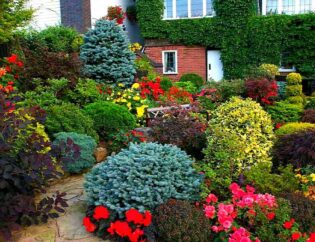
Every gardener and landscape designer faces the challenge of selecting plants that seem perfect at first glance but can cause a lot of problems later on. These plants, known as «deceptive plants,» usually look stunning in the first year but over time, they start requiring too much care, fail to thrive under the conditions, or, worse yet, become invasive. At Ecolandscape Studio, we frequently encounter this phenomenon and understand how important it is to choose plants that will not only be beautiful but also long-lasting, without creating unnecessary complications in the future.
Problems with Plants That «Deceive» with Their Beauty
In the first year after planting, many plants truly seem magical. They bloom, look beautiful, and delight the eye. However, not all plants maintain their appeal or resilience over the years. It’s essential to realize that the visual appearance of a plant is just the first stage of its life, and it’s important to consider its needs and characteristics in the long term.
Petunias are popular annuals that often become the star of the garden in the first year with their bright and varied flowers. However, they require constant care, feeding, and protection from pests. In later years, without proper attention, these plants begin to lose their appeal. Petunias are often prone to diseases, and their blooming may become less intense and regular.
At Ecolandscape Studio, we often recommend using these plants only as a temporary accent and advise opting for perennials or more disease-resistant varieties to avoid the need for frequent attention.
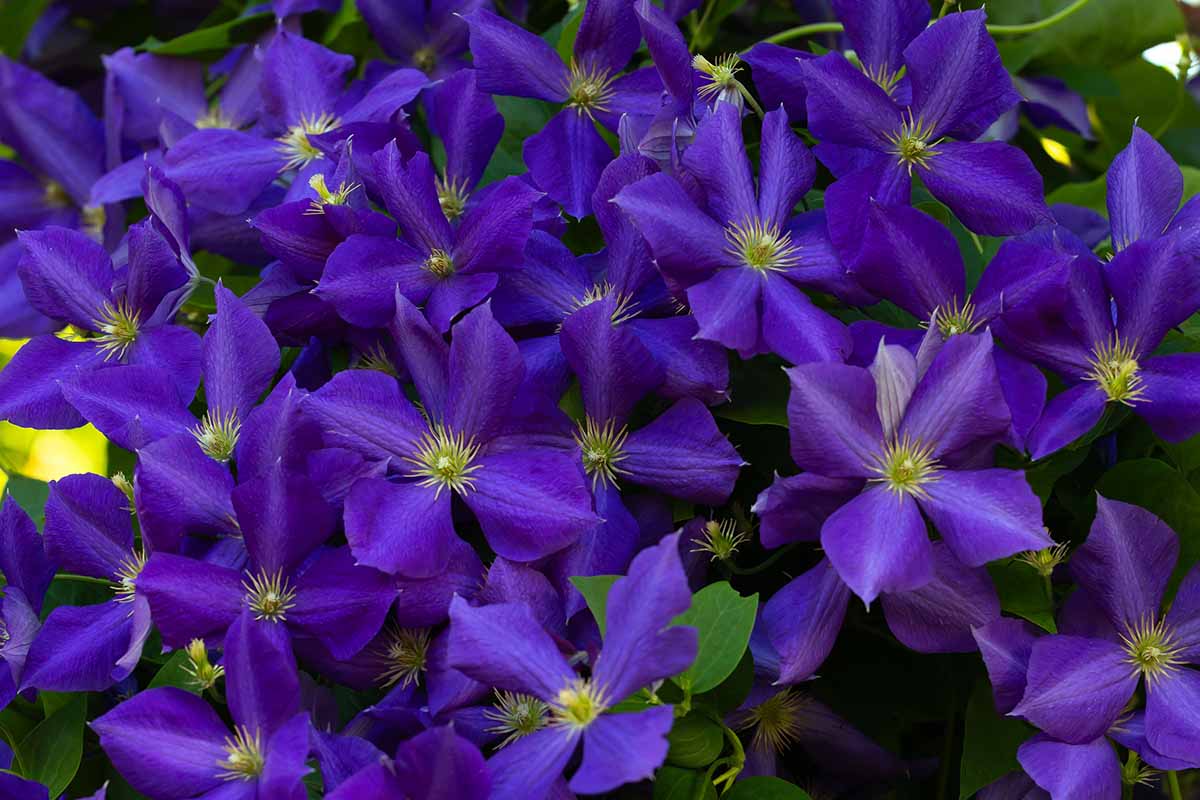
Clematis is a plant that initially attracts attention with its beautiful foliage and flowers. However, after some time, when the clematis adapts, its blooming can diminish, and the shrub can become difficult to maintain. The plant is often affected by fungal diseases, and without proper pruning and care, it may begin to weaken and lose its attractiveness.
As Martin Palma, the founder of Ecolandscape Studio, noted: «We always recommend to our clients to consider not only the visual appeal of plants in their first year, but also their long-term behavior. Clematis, for example, requires regular care and attention, otherwise its beauty quickly fades.»
Marigolds are another plant that delights the eye in the first few months. Their vibrant flowers create a fantastic visual effect in the garden. But in the long run, marigolds can start to stretch, lose shape, and quickly deteriorate due to diseases. Their need for constant feeding and watering also makes them difficult to maintain.
Canna is a striking perennial with large leaves and vibrant flowers, making it a perfect choice for landscape designers looking to add bold colors to a garden. But once canna starts growing, it requires attention: protection from winter cold, regular watering, and it is often susceptible to diseases. Without proper care, the plant starts to deteriorate and lose its beauty.
Why It’s Important to Avoid «Deceptive» Plants
Plants like petunias, clematis, and cannas can become a problem after a few seasons if their specific requirements are not considered. This is especially true for those with small plots or those who are not willing to spend much time on maintenance. It’s essential to remember that even plants that appear beautiful and easy to grow in the first few years can cause problems down the road. Constant care, pruning, feeding, and protection from diseases all take a lot of time and effort.
In the long run, it’s best to choose plants that are not only beautiful in the first year but also resilient to weather changes, don’t require frequent intervention, and won’t become a burden for gardeners. At Ecolandscape Studio, we always consider not only the seasonal appearance of plants but also their ability to adapt, grow in specific conditions, and not create complications for homeowners.
How to Avoid Choosing «Deceptive» Plants
- Study Long-Term Plant Behavior
Before making a decision on planting, it’s important to research a plant’s characteristics. How does it behave over the years? How often does it need care? If a plant ages quickly or becomes vulnerable to diseases, it might not be the best choice for your garden. - Opt for Native Plants
Using native plants is a proven way to create a beautiful and sustainable garden. These plants are already adapted to your region’s climate and don’t require as much attention as exotic varieties. They also help maintain the ecological balance of your plot. - Choose Perennials and Resilient Species
Perennial plants, like hostas, phloxes, or lavender, will delight you year after year without losing their appeal. They don’t need frequent replacement and can maintain their beauty, no matter the weather conditions.
Proper plant selection is key to creating a garden that will not only delight you in the first year but also for many years to come. It’s important to carefully research the characteristics of plants, their care requirements, and their long-term behavior. At Ecolandscape Studio, we help our clients select plants that will not only be beautiful but also resilient, ensuring long-term harmony and minimal maintenance.
As Martin Palma, the founder of Ecolandscape Studio, said: «When choosing plants for your garden, it’s important to think about the future. A beautiful garden should not only be visually appealing but also easy to maintain, without creating extra work in the future.»
If you want to create a sustainable and beautiful garden that will bring you joy for years to come, the experts at Ecolandscape Studio are here to help you select the perfect plants for your space.