Landscape design is not just about creating beautiful and functional spaces, but also about managing nature. One of the key aspects to consider when designing a garden is the competition between plants for resources light, water, and space. All plants need these elements to grow properly, but when there are many of them, they start competing, which can lead to various problems. At Ecolandscape Studio, we frequently encounter this issue and know how to choose and position plants on the plot to ensure they not only harmonize but also do not interfere with each other.
Competition for Light
Light is one of the most important factors for plant growth. All plants, including trees, shrubs, and flowers, need sunlight for photosynthesis. However, when there is a lot of vegetation on the site, plants start competing for this resource, which can cause some of them to grow weakly.
It’s important to understand that plants «pull» light differently. For example, tall trees or shrubs growing in the center of the plot can shade lower plants, creating unfavorable conditions for their growth. This is particularly important when designing multi-layered gardens, where taller plants should be placed in such a way that they do not block the light for shorter plants.
As Martin Palma, the founder of Ecolandscape Studio, says: “The main task of a landscape designer is to properly distribute plants across the plot so that each species gets enough light. Large trees should not overshadow the sunlight for flowering shrubs and lawns.”
Competition for Water
Water is the second most important resource that plants compete for. Lack of moisture can negatively affect plant health, while excess water can lead to root rot and the development of diseases. When several plants grow close together, they start drawing water from the same soil area, which can lead to competition.
To avoid such problems, it’s important to choose plants with similar watering requirements, or place plants with different needs in areas where they will not compete. For example, plants that require a lot of water can be placed near ponds or in more humid parts of the garden, while drought-tolerant plants should be positioned on sunny areas with good drainage.
In our experience, we often recommend using a combination of plants that can efficiently use water, creating a balanced ecosystem. For instance, a combination of low-growing succulents and tall perennials with deep roots is perfect for different parts of the garden.
Competition for Attention
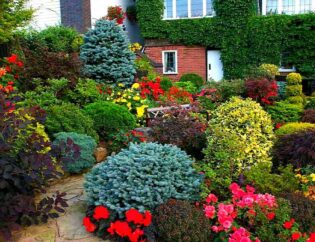
Finally, it’s important to remember that plants can compete for attention. This aspect becomes especially relevant when many different types of plants with bright colors and unusual shapes are gathered in one space. If not carefully planned, these plants can overwhelm the visual perception of the garden, making it look disorganized and chaotic.
To avoid such competition, it’s essential to ensure that the plants harmonize with each other and don’t overpower one another. This can be achieved, for example, by using monochromatic color schemes or combining plants with different leaf textures. It’s also important to consider the height of the plants, their blooming period, and the overall composition.
Additionally, plants with bright flowers or unusual appearances should be placed in such a way that they do not «overwhelm» the landscape. For example, these plants can be used as accents in specific areas, leaving room for other, more tranquil elements.
How to Optimize Competition Between Plants
To avoid excessive competition and create a harmonious space, several key factors must be considered:
- Proper distribution of plants by height. Tall plants should not block the light for shorter ones.
- Choosing plants with similar water and sunlight needs. This helps avoid competition for these resources.
- Creating accents. Use bright and unusual plants as accents rather than dominant elements of the landscape.
- Utilizing layering. An important part of landscape design is creating “layers,” where each layer of plants efficiently uses its own resource.
Proper plant selection and placement is not just a matter of aesthetics, but also functionality. It’s essential to remember that plants can compete for light, water, and attention, which can affect their health and appearance. At Ecolandscape Studio, we always help our clients create gardens that are not only beautiful but also sustainable, minimizing competition between plants. This is only possible with a thoughtful approach to each element of the garden, its composition, and structure.
As Martin Palma, the founder of Ecolandscape Studio, says: “Each plant should be correctly integrated into the landscape so that it can fully thrive without competing with other elements of the garden. This is the secret to successful landscape design.”