The desert is far more alive than it looks. Beneath the heat and the dust, a quiet network of relationships connects plants, insects, birds, and soil in ways that most homeowners never think about when planning their yard landscaping design. Desert bees are one of the most fascinating parts of that network, and understanding how they interact with garden plants can genuinely change how you approach residential landscape design.
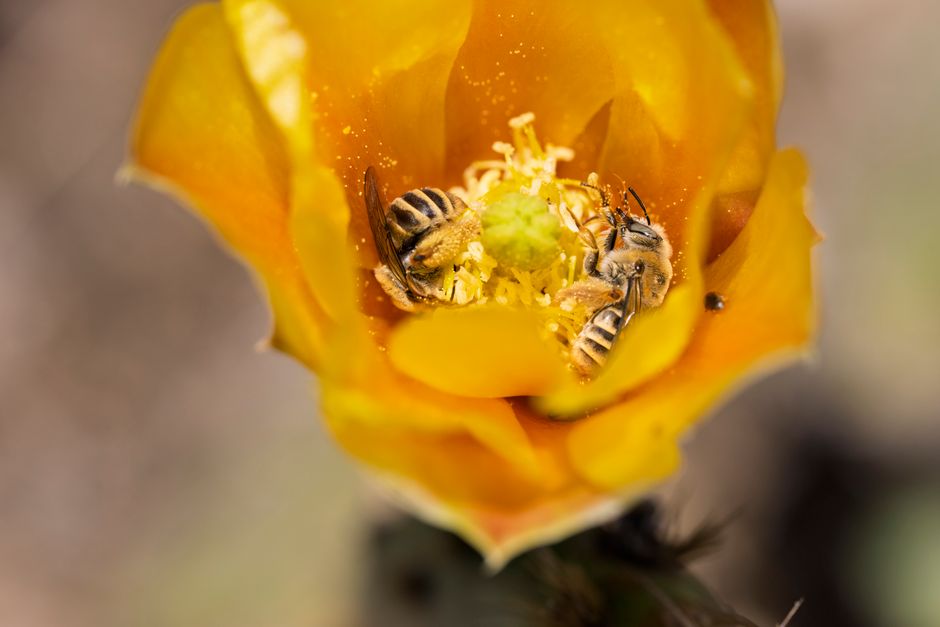
Unlike honeybees, which most people picture when they hear the word «bee,» the majority of desert bee species are solitary. They do not live in hives. They nest in the ground, in hollow stems, or in small cavities in wood. Many are highly specialized, meaning they rely on specific native plants to survive. This is where garden design decisions start to matter in a very direct way.
Desert bees have evolved alongside native desert plants over thousands of years. Their body shapes, flight timing, and foraging behavior are often matched to specific flowers. When a yard is filled with non-native ornamentals or replaced entirely with turf grass, that connection breaks down. The bees lose their food source, and the plants lose their pollinators.
A native plant garden design does more than look natural. It actively supports the local food web. Native flowering plants attract not just bees, but also beetles, butterflies, and the birds that feed on insects. A well-planned planting design using regionally appropriate species can turn a standard backyard into a functioning habitat without requiring constant maintenance or irrigation.
This is also where drought tolerant garden design and xeriscape garden design principles overlap with ecological goals. Many native desert plants are already adapted to low water conditions, which means a water wise landscaping approach and a pollinator-friendly yard are often the same thing. You get a low maintenance garden design that also supports wildlife, which is a practical win for any property owner.
Martin Palma, founder and CEO of Ecolandscape Studio, has observed this pattern consistently across residential projects. In his experience, homeowners who switch from conventional lawn alternatives to native groundcovers and flowering perennials are often surprised by how quickly wildlife returns. Within a single growing season, yards that were previously quiet start attracting solitary bees, hummingbirds, and beneficial insects. The shift does not require a complete redesign, just a more intentional approach to plant selection and soil health.
Creating a yard that supports desert bees and other wildlife does not mean letting everything grow wild. It means making deliberate choices in your planting design and outdoor living space layout that leave room for nature to function.
Ground-nesting bees need bare or lightly mulched soil patches. If every inch of a yard is covered in thick mulch or hardscape, these bees have nowhere to nest. Leaving small areas of exposed, undisturbed soil in a backyard design is a simple and effective way to support them. Avoiding heavy pesticide use in those zones is equally important.
Stem-nesting species benefit from leaving dried flower stalks and hollow woody stems in place through winter rather than cutting everything back in fall. This small change in garden maintenance habits can make a meaningful difference for local bee populations.
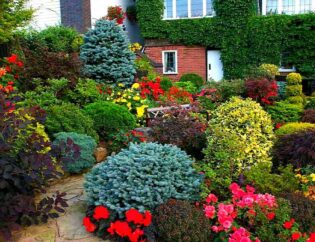
For front yard landscaping ideas that balance curb appeal with ecological value, consider layering native shrubs with low-growing flowering groundcovers. This creates visual structure while providing foraging habitat at multiple heights. Garden edging ideas that use natural stone or decomposed granite can define planting beds cleanly while keeping soil accessible for ground-nesting species.
Landscape lighting ideas also play a role. Excessive artificial light at night disrupts the behavior of nocturnal pollinators and insects that bees depend on indirectly. Choosing warm-toned, low-intensity lighting and directing it downward rather than outward helps reduce that impact without sacrificing outdoor comfort or safety.
Rain garden design is another tool worth considering in desert climates. Capturing and directing stormwater runoff into planted swales or basins supports deeper soil moisture, which benefits both plants and the insects that nest in the ground nearby.
The connection between desert bees and garden design is not abstract. Every choice made in a yard, from the plants selected to the way soil is managed to how lighting is positioned, either supports or disrupts the local ecosystem. A thoughtful residential landscape design can do both jobs at once: create a beautiful, functional outdoor living space and give native wildlife a place to thrive. That balance is exactly what sustainable landscaping is built on.