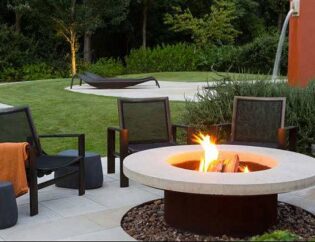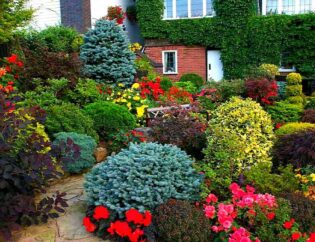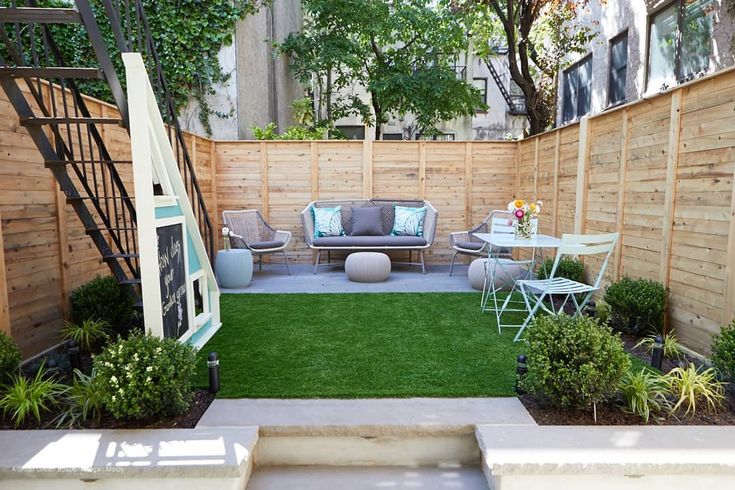
Life in a metropolis often imposes its own conditions, especially for gardeners. Limited space, often insufficient sunlight, and high-density construction — these all present significant challenges when trying to create a cozy garden in the city. However, with the right approach, even a small plot can become a true oasis, one that not only pleases the eye but also provides practical benefits.
How can you create an urban garden that is functional, beautiful, and harmonious? In this post, we’ll discuss the design principles that can help you achieve the best results in a limited space. Martin Palma, founder and CEO of Ecolandscape Studio, shares his recommendations for creating comfortable and stylish gardens in an urban environment.
Urban Gardens: Challenges and Opportunities
Urban gardens are often limited in size — ranging from 10 to 30 square meters. This imposes certain constraints, particularly when it comes to plant selection and design elements. Dense construction, high fences, and walls, as well as limited access to sunlight, can make designing such spaces quite challenging. Moreover, there are often awkward shapes — narrow or angular plots — that require unconventional solutions.
However, there are several proven ways to overcome these limitations. The key is to make the most of the available space and carefully select the right landscaping elements. With creative solutions, you can not only effectively utilize every zone but also create a garden that becomes more than just a corner of nature — it can be a full-fledged space for relaxation and work.
How to Approach the Design of an Urban Garden
The first and most important step in designing an urban garden is to clearly understand what functions it should serve. A limited space doesn’t allow you to include everything you want, so priorities must be established. What is most important to you: a place for relaxation, a work corner, a play area for children, or a space for gardening?
Martin Palma, founder and CEO of Ecolandscape Studio, emphasizes: «When space is limited, it’s crucial to choose only the most essential elements. The decision depends on your goals — whether it’s comfort, privacy, or the possibility to grow plants.»
We recommend creating a list of three primary functions that your garden should serve. For example: an outdoor dining area, a relaxation zone, and a space for plant care. This approach significantly simplifies the design process and prevents the space from being overcrowded with unnecessary elements.
Minimalism as the Foundation of an Urban Garden
In a small garden, the key is not to overcrowd the space. One of the central principles when designing a limited area is minimalism. It allows you to create not just a garden, but an atmosphere that matches the owner’s lifestyle. We often encounter projects where instead of filling the space with every possible element, only a few functional and aesthetically pleasing zones are created.
Rather than trying to fit everything you want into one area, it’s better to focus on a few key features, such as a cozy relaxation space, a small garden, or a green corner. It’s important to remember: the simpler, the better.
Space Optimization Tips
- Multi-level constructions. Even in a small garden, you can create the illusion of space by using vertical and multi-level elements. For example, terraces or steps can greatly improve the perception of the space.
- Multi-functional furniture. In a limited space, furniture with additional functionality is ideal — such as benches with storage space or tables with built-in shelves.
- Vertical gardening. Walls, trellises, and arches with plants can add greenery without taking up useful space. These structures can be an excellent solution for creating cozy corners or zoning the space.
- Using mirrors and reflective surfaces. Mirrors and shiny interior elements visually expand the space, giving it depth and volume. This is particularly important in small urban gardens, where every inch counts.
Recommendations and Conclusions
The approach to designing an urban garden should be deliberate and clear. First, you need to determine what functions the garden will serve: relaxation, work, or gardening. Then, it’s important not to overcrowd the space but to use it rationally.
Martin Palma adds: «An urban garden is a space for personal comfort. It’s important that it harmonizes with the surrounding environment and meets the owner’s needs. Even on a limited plot, you can create a unique space for living.»
A small urban garden can become not only a place for relaxation but also a functional zone for work or gardening. The key advice from Ecolandscape Studio is to always consider both current needs and future changes when designing. Choose plants that will thrive in your space without requiring excessive care. Select furniture and accessories that are maximally functional and in harmony with the overall garden concept.
If you want your urban garden to become a true oasis in the metropolis, our experts are always ready to help. We will create a design that fits your needs and aesthetic preferences, and help you transform your small plot into a comfortable and beautiful space. Contact us at Ecolandscape Studio, and we’ll gladly bring your ideas to life.