The Dutch garden is not just a garden, but a true historical monument that embodies the delicate harmony between nature and culture. At Ecolandscape Studio, we are convinced that the Dutch garden is the perfect example of how landscape design can combine cultural heritage with modern principles of sustainability and aesthetics. Gardens like this inspire us to create green spaces that not only delight the eye but also tell a story.
This garden is an integral part of the region’s cultural heritage, and its unique structure impresses with the harmony of European and local landscape traditions. Today, the Dutch garden continues to attract tourists, history lovers, and nature enthusiasts, remaining a symbol of refined elegance that has been beautifully preserved for centuries.
Historical Heritage of the Dutch Garden
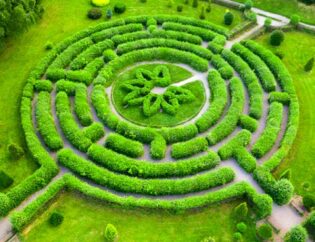
The Dutch garden was designed during colonial times when Dutch settlers were actively developing the region’s economy. The garden was created to be a cozy retreat for Dutch officials and their families. From the outset, its concept embodied elements of European horticulture, with the addition of local flora and fauna. Order, symmetry, and flawless harmony these principles form the basis of its design, while well-maintained lawns and vibrant flowerbeds add liveliness to the space.
As Martin Palma, founder and CEO of Ecolandscape Studio, noted, «Designing a garden is always a delicate task, a composition that combines history and nature. This is especially evident in a Dutch garden, as every landscape element contributes to maintaining a balance between both cultural and natural aspects.» We believe this approach not only helps preserve heritage but also inspires new landscape projects where history and nature intertwine within a single space.
Architectural Significance and Historical Elements
The Dutch garden is not only a marvel of nature but also an important architectural monument. Here, you can find ancient tombs of Dutch officials and merchants who made significant contributions to the region’s development. These architectural elements are crafted with remarkable skill and perfectly reflect the style of the era, with intricate stone carvings and decorative details that remind us of the high level of European craftsmanship of that time.
A walk through this garden not only transports us to the past but also allows us to feel the spirit of the era, where nature and architecture were inseparably connected. At Ecolandscape Studio, we draw inspiration from such examples, as they show how important it is to consider the historical value and identity of a place when designing landscapes.
The Natural Harmony of the Dutch Garden
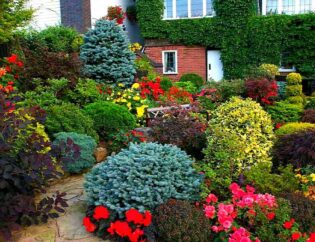
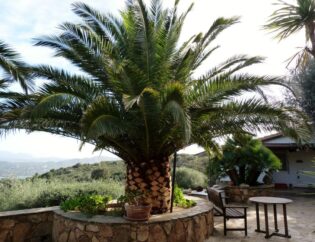
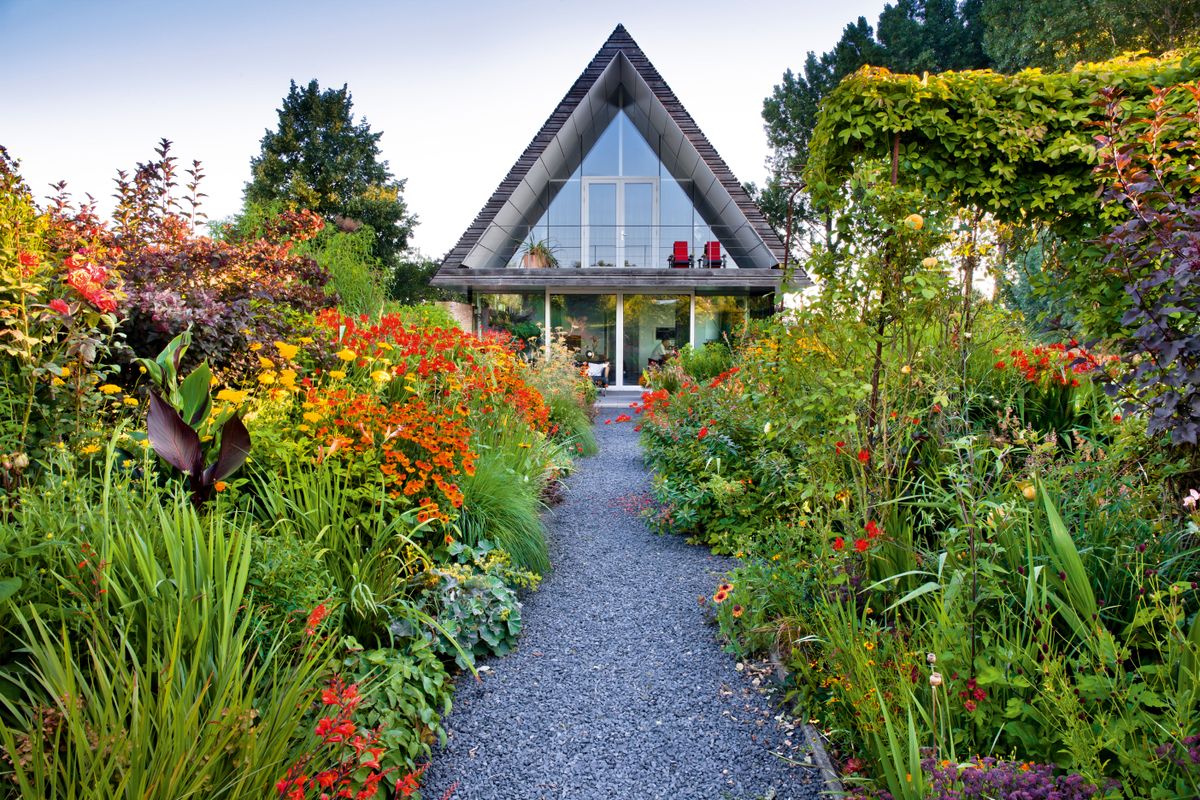
The Dutch garden is also a true oasis of nature, where the diversity of flora and fauna creates a unique atmosphere. Here, you can find tall trees providing shade and coolness on hot days, while seasonal flowers add vibrant accents throughout the year. At Ecolandscape Studio, we believe that gardens like this are an example of how to combine exotic and local plants, creating vibrant and dynamic ecosystems. The Dutch garden perfectly demonstrates the importance of considering not only aesthetic but also ecological aspects when designing.
The variety of plants and the approach to their planting make the garden not only beautiful but also sustainable, providing space for various species of insects and birds. This is what we strive for in our projects creating not only beautiful but also ecologically sustainable landscapes.
Ecological Role and Nature Conservation
The Dutch garden serves as an example of how horticulture can be used not only for aesthetic purposes but also for the preservation of ecosystems. At Ecolandscape Studio, we believe that this approach to garden design is an essential part of modern trends in sustainable landscape design. It is important not only to maintain the beauty of the garden but also to care for the conservation of local plant and animal species.
The Dutch garden continues to be a model for future generations, demonstrating how important it is to consider the ecological aspect in landscape design, creating a space that will delight not only people but also living nature.
The Dutch Garden as a Cultural and Educational Object
The Dutch garden is not only a place for relaxation but also a cultural center where one can learn more about the Dutch colonial era and the gardening methods of that time. For many students and researchers, it becomes a true source of knowledge about landscape architecture, horticultural traditions, and the history of colonization. Such gardens serve as living museums, opening a new chapter of history to each visitor.
We believe that for all landscape design enthusiasts, it is important to consider this educational aspect when designing similar gardens. This helps convey not only a visual experience but also historical value and draws attention to the importance of preserving cultural landmarks.
The Dutch garden remains an example of the perfect blend of nature, architecture, and history. It is a place where every stone and every flower tells its own story, and where it is essential to preserve not only the external appearance but also the deep historical context. For us at Ecolandscape Studio, creating and preserving such gardens is not only work but a true source of inspiration.
Inspired by this unique example of landscape design, we strive to create projects that are not only beautiful but also filled with meaning. The Dutch garden remains a timeless monument that continues to inspire not only nature lovers but also those who appreciate the connection between humans and nature, the harmony of the past and the present.