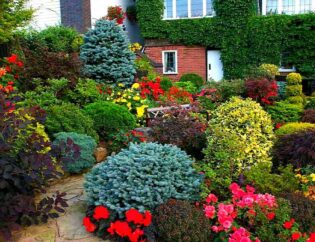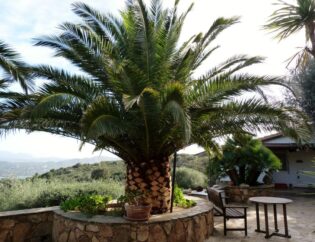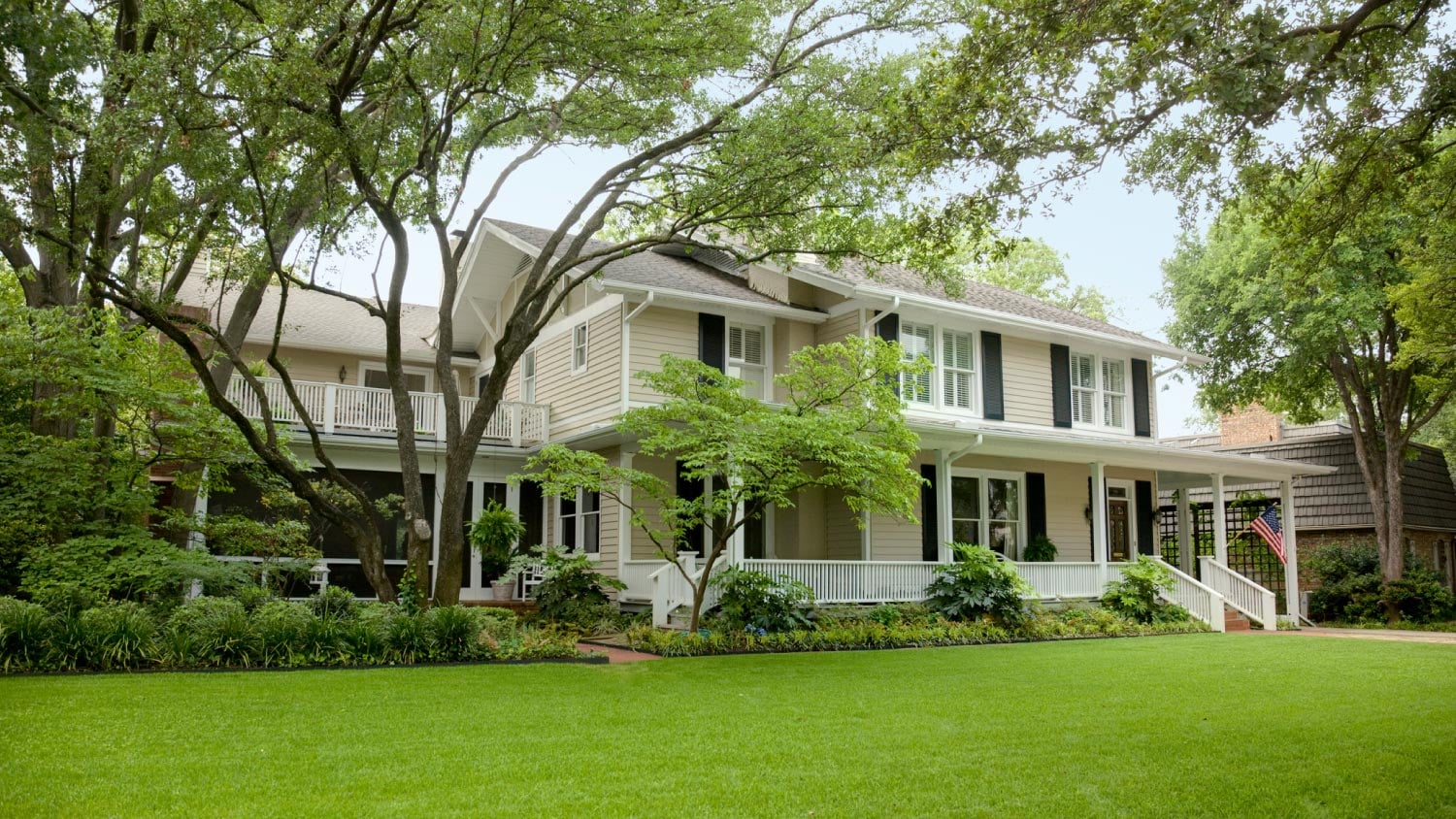
Modern landscape design is focused on creating sustainable and energy-efficient solutions that help reduce energy consumption and minimize the carbon footprint. In the context of global climate change and rising energy costs, implementing innovative solutions to lower heating and cooling expenses has become a necessary step. At Ecolandscape Studio, we are confident that landscape design plays an important role in optimizing energy use by creating ecologically sustainable spaces.
As Martin Palma, founder and CEO of Ecolandscape Studio, says: «Landscape design is not just a decorative element, it is a tool that can significantly increase energy efficiency. A modern landscape should work to improve quality of life and sustainability, ensuring lower heating and cooling costs.»
The Role of Plants in Energy Efficiency
Plants play a key role in reducing the need for air conditioning and heating by helping create a comfortable microclimate on the property. At Ecolandscape Studio, we actively incorporate different types of plants that influence temperature and humidity, improving insulation and reducing the need for artificial cooling and heating.
Green barriers made up of trees, shrubs, and tall grasses, placed along buildings, help create shade during the summer, reducing the impact of solar radiation. These plants also improve thermal insulation of buildings, reducing heat loss in winter and helping maintain coolness in the summer.
Green Roofs and Walls
One of the most effective solutions for improving energy efficiency is green roofs and vertical garden systems. These landscape elements act as thermal insulation layers, reducing the need for air conditioning in summer and retaining heat in winter. They also absorb water, improving the ecosystem and reducing the heat island effect in cities, which contributes to an overall decrease in temperature.
Green roofs and walls help create additional green spaces, which positively impact the environmental situation in cities and reduce the load on cooling systems.
Modern Technologies for Improving Energy Efficiency
Today, landscape design actively uses smart technologies that help improve energy efficiency and minimize resource consumption.
Automatic irrigation systems with sensors for humidity and temperature allow for monitoring soil moisture levels and automatically adjusting the amount of water used. This helps reduce water consumption and also prevents overwatering, which contributes to lowering temperatures and improving the overall ecosystem. At Ecolandscape Studio, we frequently use these systems to create energy-efficient landscapes where optimizing the use of natural resources is a key aspect.
Solar Panels and Wind Turbines
Solar panels and mini wind turbines allow for the creation of independent energy sources for lighting, irrigation, and other needs on the property. These devices reduce dependency on external power grids, helping not only lower electricity costs but also reduce the carbon footprint.
Organic Approach to Landscape Design
Organic landscape design is based on principles of ecological sustainability, which help reduce environmental impact and minimize the use of natural resources. It is important to use native plant species that are well-suited to the region’s conditions and require less maintenance, irrigation, and fertilizers.
Using native plants helps support natural ecosystems, improves soil quality, and fosters the creation of resilient ecosystems. For example, perennials such as lavender and thyme are drought-tolerant and poorly suited to high temperatures, making them an excellent choice for creating energy-efficient and climate-resilient landscapes.
The use of eco-friendly technologies, such as phytoremediation and composting, helps minimize the carbon footprint and creates closed-loop nutrient cycles that reduce energy consumption and improve soil structure.
Stormwater Management and Rainwater Harvesting
An important part of energy-efficient landscape design is stormwater management. At Ecolandscape Studio, we actively use rainwater harvesting systems and rain gardens, which help not only reduce water consumption but also manage runoff, prevent flooding, and improve the microclimate.
Using aquatic plants for phytoremediation helps purify water and improve water quality. Aquatic plants, such as reed or water lilies, help clean the water by absorbing excess nutrients and improving the ecosystem. These plants also provide additional cooling during hot summer days, reducing the need for air conditioning.
How to Plan an Energy-Efficient Garden
To create an energy-efficient garden, several factors must be considered to reduce energy costs and improve ecological sustainability:
- Proper placement of trees. Place deciduous trees on the southern side of the building so they provide shade in summer and allow sunlight in winter, maintaining an optimal temperature.
- Use of vertical landscaping. Green walls and facades help improve building insulation, reducing the load on heating and cooling systems.
- Rainwater harvesting systems. Install rain barrels for irrigation and other needs, which helps reduce the load on urban drainage systems and improves the ecosystem.
- Water features and fountains. These elements not only create visual interest but also contribute to natural cooling, reducing the need for air conditioning.
Energy efficiency through landscape design is a crucial step in creating sustainable and environmentally friendly spaces that help lower heating and cooling costs. At Ecolandscape Studio, we are confident that the proper use of plants and technologies enables the creation of energy-efficient solutions that are not only aesthetically pleasing but also functional.
As Martin Palma emphasizes: «The future of landscape design is about the harmony of technologies and nature, where every element, from plants to technologies, works to create energy-efficient and eco-friendly spaces.»
Modern solutions in landscape design allow for significant reductions in energy costs, improve the microclimate of a property, and create more sustainable ecosystems, enhancing the quality of life while minimizing energy consumption and natural resource use.