Modern trends in landscape design focus on creating gardens that merge aesthetic appeal with deep emotional significance. A nostalgic garden is a space that connects owners with personal memories, family traditions, and symbolism, creating a unique living environment. At Ecolandscape Studio, we believe that landscape design should not only be beautiful but meaningful, serving as a place for restoration, connection, and a sense of continuity with the past.
As Martin Palma, founder and CEO of Ecolandscape Studio, states: «Landscape design is a way to connect nature and personal history. A garden becomes part of life when its elements carry significance, offering owners emotions and memories.»
The Psychology of Garden Perception: How Emotions Connect Us to Space
Emotions play a vital role in perceiving a garden as a unique space. Nostalgic design helps link the space to significant life events, immersing owners in a memory-filled atmosphere. Spaces filled with personal associations positively influence psychological well-being, promoting restoration and stress reduction.
Psychology in landscape design confirms that memories of past events can be triggered through visual and sensory stimuli. Including symbolic elements in the landscape, such as plants and architectural features, activates deep memories, making the garden not only cozy but also psychologically comforting.
The Role of Plants in Creating the Emotional Atmosphere of the Garden
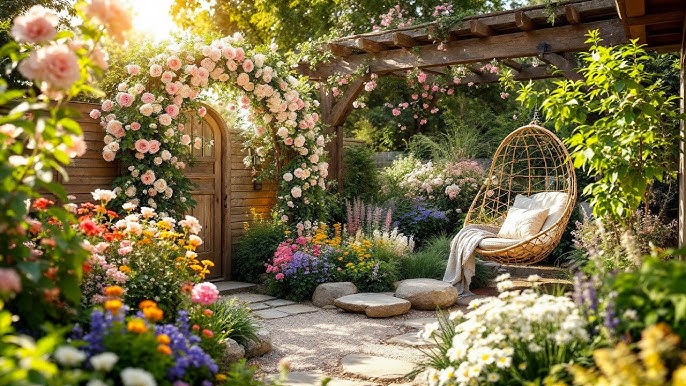
Plants have a powerful effect on the emotional atmosphere of the garden, creating not just visual harmony but also deep associations with the past. For example, lavender may remind one of summer days, roses of romantic memories, and chrysanthemums of family celebrations. Choosing the right plants for the garden becomes an essential part of creating an emotional landscape design, evoking feelings tied to personal experiences.
As Martin Palma remarked, «Plants are more than decorative elements. They become part of our emotions, part of the stories we experience. When designing a garden, we’re not simply choosing flowers; we’re using them as elements that connect us to those who were with us, those who left their mark on our lives.»
Family Symbols and Traditions in Garden Design
Family symbols and historical elements play an essential role in creating a deep connection to the garden. It is important to integrate objects that carry family memories: antique furniture, heirlooms passed down through generations, photos, or family relics. These elements help create harmony and fill the garden with not only aesthetic value but also spiritual meaning.
Family trees or plants planted in honor of significant events become living monuments that continue the family’s history. They can serve as symbols of resilience, growth, and continuity, making the garden part of the living family chronicle.
Natural Materials: Connecting with Traditions and Nature
Natural materials play a critical role in creating gardens that not only serve aesthetic functions but also symbolize connection with nature and family history. Using local materials such as stone, wood, and metal helps integrate the garden with the surrounding nature and strengthens ties to the history.
Landscape design elements like wrought-iron fences, wooden benches, and ceramic pots, passed down from generation to generation, create an atmosphere of memory and respect for heritage.
Water as a Source of Emotions and Memories
Water in the garden is a powerful element that calms and attracts attention. Fountains, ponds, and streams create visual interest while also improving the microclimate. Water features not only purify the air but also serve as symbols of memories related to walks by bodies of water, family gatherings at lakes or rivers.
As Martin Palma pointed out: «Water in the garden is not just a cooling element. It serves as a memory marker, awakening emotions and creating an atmosphere of calm. Water features become symbols of time, connecting the past with the present.»
Modern Technologies in Nostalgic Landscape Design
Modern technologies play an essential role in enhancing garden functionality while preserving its emotional value. Using smart irrigation systems, solar panels, and energy-saving solutions makes the garden sustainable and eco-friendly without compromising its emotional value.
«Technologies such as solar panels and automated irrigation systems provide the opportunity to create a convenient and functional garden that, nevertheless, retains all the emotional accents,» says Martin Palma. «These solutions not only ease garden maintenance but also make it resilient to climate changes, allowing for resource conservation.»
A nostalgic garden is a unique space where plants, architectural elements, and technologies intertwine with personal memories and family history. Each element of the garden becomes an important symbol and a link between generations, creating harmony between the past and the present.
At Ecolandscape Studio, we aim to create unique projects that not only meet aesthetic requirements but also become part of the family’s history, blending memory and nature. Landscape design in this regard becomes a tool for transmitting emotions and creating meaning in every corner of the garden.