Every successful landscape project begins long before the first plants are installed, pathways are constructed, or architectural features are introduced. The true foundation of a future garden is established during the engineering preparation stage, where critical decisions are made that determine the long term reliability of the entire landscape. Martin Palma, founder and CEO of Ecolandscape Studio, sees this as one of the most important phases of landscape design because the quality of work carried out on terrain modeling, drainage systems, and engineering infrastructure ultimately determines not only the appearance of the property but also its lasting structural stability. The more carefully this preparation is completed, the more reliably the landscape will perform regardless of climate conditions or natural environmental changes.
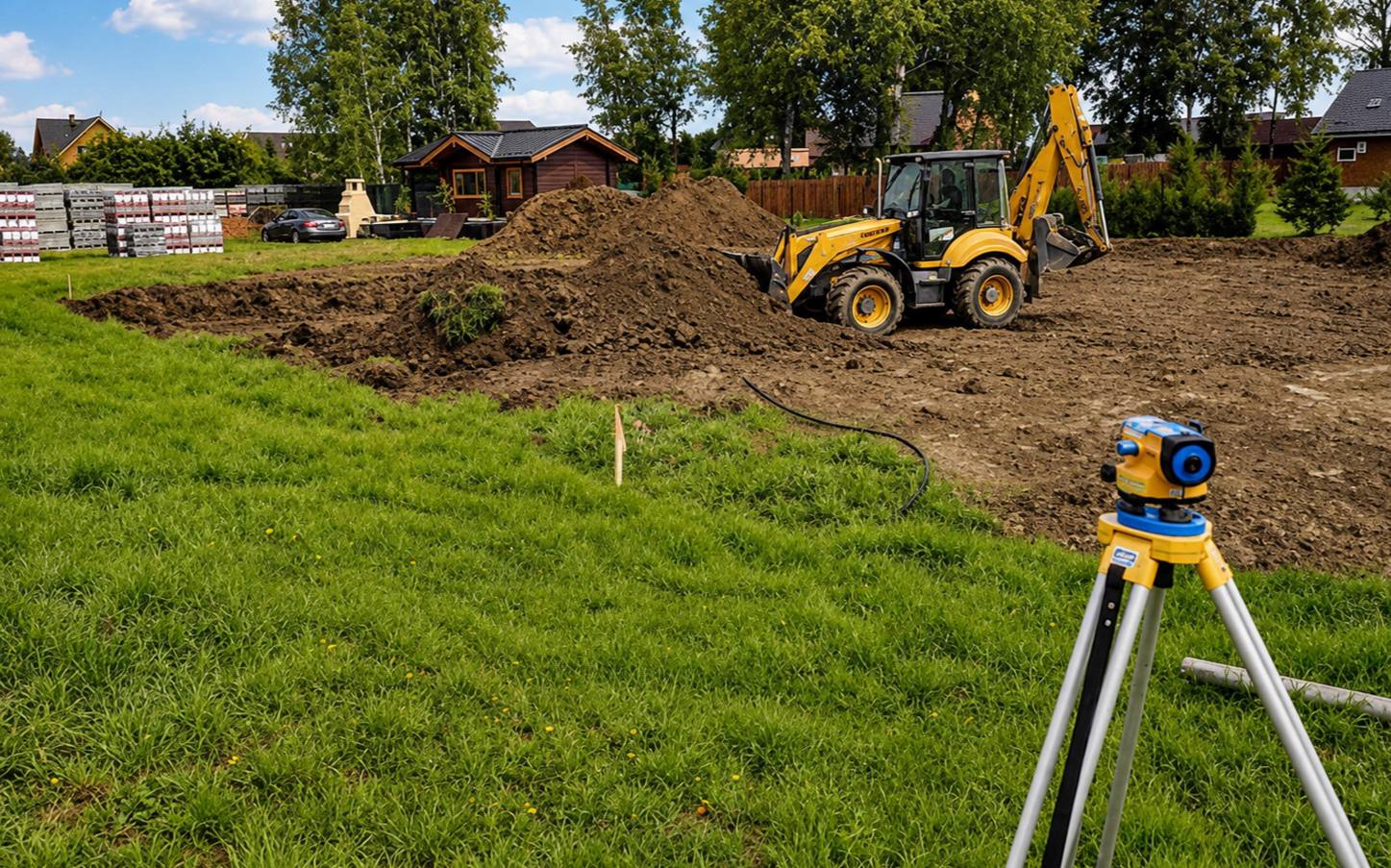
The process begins with a comprehensive assessment of the site’s existing characteristics. Studying elevation differences, soil composition, groundwater levels, natural water movement, and the environmental features of the property makes it possible to identify potential challenges before construction begins. We believe that this proactive approach prevents numerous technical problems in the future by allowing engineering solutions to be implemented long before difficulties arise, when they can be addressed most efficiently and economically.
Terrain modeling represents one of the most significant components of engineering preparation. Even relatively small differences in elevation can substantially influence water distribution, pavement stability, and the long term development of planting. At Ecolandscape Studio, we analyze the natural topography of every property in order to maximize the advantages of the existing landscape while minimizing unnecessary earthworks. This approach preserves the site’s natural character while simultaneously providing the structural stability required for long lasting performance.
Drainage planning deserves equally careful attention. Excessive moisture remains one of the most common causes of damaged paving, weakened root systems, and structural deformation throughout landscaped properties. We recognize that a professionally designed drainage system effectively controls water movement across the site, preventing unwanted accumulation while creating stable conditions that allow the garden to function successfully throughout every season of the year.
Another fundamental aspect involves the organization of engineering infrastructure. Automatic irrigation systems, outdoor lighting, electrical distribution, water supply, and other technical installations should all be planned simultaneously with the landscape itself. Specialists at Ecolandscape Studio note that integrating utility planning into the initial design process prevents future disruption to completed landscapes while preserving architectural integrity and significantly reducing the costs associated with future modifications or upgrades.
The relationship between engineering systems and landscape architecture is equally important. Every technical solution should operate discreetly without affecting the visual quality of the environment while continuing to deliver maximum operational efficiency. We see this as one of the defining characteristics of professional landscape design because the most sophisticated engineering solutions remain almost invisible, allowing homeowners to experience only comfort, reliability, and the effortless functionality of the outdoor environment.
Another significant advantage of comprehensive engineering preparation is its ability to support the future development of the property. Modern landscapes rarely remain unchanged for decades. New functional areas, additional planting, architectural features, or technical systems are often introduced as lifestyles evolve. We emphasize that proper engineering preparation provides the flexibility necessary to accommodate these future changes without requiring major reconstruction of an already completed landscape.
The quality of engineering preparation also has a direct influence on the longevity of every construction material used throughout the project. Pathway foundations, retaining structures, terrace surfaces, and decorative architectural elements maintain their original condition far longer when soil characteristics, structural loads, and hydrological conditions have been carefully considered from the very beginning. This integrated planning significantly reduces the risk of premature deterioration while preserving the overall quality and performance of the landscape.
Engineering preparation forms the essential foundation upon which every successful landscape is built. At Ecolandscape Studio, we believe that only a comprehensive approach to terrain modeling, drainage design, engineering infrastructure, and site analysis makes it possible to create outdoor environments that remain durable, visually refined, and fully functional for many years regardless of changing environmental conditions.