In the world of landscape design, floralism is not just a style, but a true art form, where plants and natural elements are used not only as decoration but also as key components of the artistic concept. At Ecolandscape Studio, we always strive to create harmonious, eco-friendly, and aesthetically appealing spaces, and floralism as a design style helps us achieve this on an entirely new level. In this article, we will discuss what floralism in landscape design is, how it has developed, and how to apply it in your garden.
What is Floralism in Landscape Design?
Floralism in landscape design is a style that uses flora as the main element of artistic expression. It involves not only decorative use of plants but also their role as elements that influence architecture, space perception, and create unique visual and tactile effects. In gardens, floralism manifests itself in sculptures, decorative elements, and architectural forms that model natural objects such as flowers, trees, or vines.
This style has become especially popular in recent decades due to its ability to create environmentally sustainable and aesthetically pleasing spaces that harmoniously integrate with nature and the surrounding environment.
Martin Palma, founder and CEO of Ecolandscape Studio, notes: «Floralism is our opportunity to connect nature and art. In our approach, we always try to use plants as part of an overall concept, making them not just decorative elements but real accents that give the space uniqueness and liveliness. This style helps create not just a garden, but an entire atmosphere where nature and art intertwine.»
The Art of Floralism in Landscape Design
The process of creating a garden in the floralism style involves not only choosing plants but also integrating various natural and architectural elements that become part of a cohesive composition. In this style, plants are not just embellishments; they become living works of art.
At Ecolandscape Studio, we often use floralism to add depth and dynamism to our projects. For example, in one of our projects, we integrated sculptural elements in the form of large floral shapes made of wood and metal, surrounded by vines and shrubs. This created the effect of a «living» sculpture that would change with each season.
Plants as Architectural Elements
One of the unique features of floralism is the use of plants as active components of architecture. This style works particularly well in vertical gardens, where plants not only decorate the space but become part of the external design of buildings, such as facades and walls. In recent years, vertical gardens with plants winding around buildings have become a trend in urban landscape design.
Plants can be used to create green walls, pergolas, arches, and also to decorate garden paths and facades. At Ecolandscape Studio, we believe these elements not only improve aesthetics but also play an important role in the ecological enhancement of the space. They help purify the air, create natural ecosystems, and reduce noise pollution in cities.
Natural Sculptures and Decorative Elements
Sculptures and other decorative elements in the floralism style can be made from various materials such as metal, wood, stone, and glass. These elements are often used to highlight the natural beauty of plants or harmoniously blend with nature. In some projects, sculptures may be stylized as plants, such as flowers, trees, or vines, creating a sense of unity with the environment.
At Ecolandscape Studio, we often use decorative elements that serve not only as focal points in landscape design but also create a unique atmosphere in the garden. Natural sculptures combined with plants allow us not only to decorate the space but also to emphasize the philosophy of the garden itself, its connection with nature.
How to Incorporate Floralism into Your Garden: Tips from Ecolandscape Studio
To create a garden in the floralism style, several key principles should be considered to make the space not only beautiful but also functional:
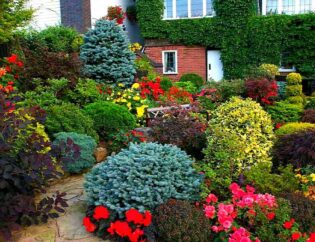
Choosing Plants: Plants with unusual textures and vibrant colors are perfect for floralism. It’s important that the plants not only match aesthetically but also support the overall style of the garden. Use plants that change with the seasons to keep the garden dynamic and alive. Plants with varied foliage and flowers will create interesting accents and add depth to the composition.
Integration with Architecture: Architectural elements such as arches, columns, and vertical gardens should be harmoniously integrated with the plants. This will create not only a visually appealing space but also a functional one. At Ecolandscape Studio, we often use these elements to create living walls that not only enhance the garden but also make it more eco-friendly, absorbing carbon dioxide and releasing oxygen.
Using Natural Materials: Combining natural materials like stone, wood, and metal with plants helps create organic and durable elements of landscape design. These materials harmonize perfectly with floral motifs and add warmth and texture to the garden’s overall style.
Ecological Sustainability: Floralism helps create environmentally sustainable landscapes that support biodiversity, purify the air, and improve the microclimate. It’s important to choose plants that are adapted to your region’s climate and require minimal water or chemical fertilizers. Additionally, systems for collecting rainwater and organic plant care methods should be used to reduce environmental impact.
Why Floralism is Important for Modern Landscape Design
Floralism is a style that helps connect nature and architecture, creating harmonious and eco-friendly spaces. In modern cities, where green areas are shrinking, floralism allows plants to be integrated into the urban landscape, improving the quality of life and promoting ecological sustainability.
We believe that floralism is the key to creating healthier and more harmonious urban spaces. Using plants as an integral part of architecture not only improves the visual appeal of landscapes but also creates a cleaner environment for living.
Floralism in landscape design is a style that allows for the creation of unique and harmonious spaces where nature and art intertwine. At Ecolandscape Studio, we are confident that floralism not only helps create beautiful and sustainable gardens but also contributes to ecological sustainability. By applying these principles, you can create not only a beautiful but also a functional space that will bring joy to you and your loved ones for years to come.