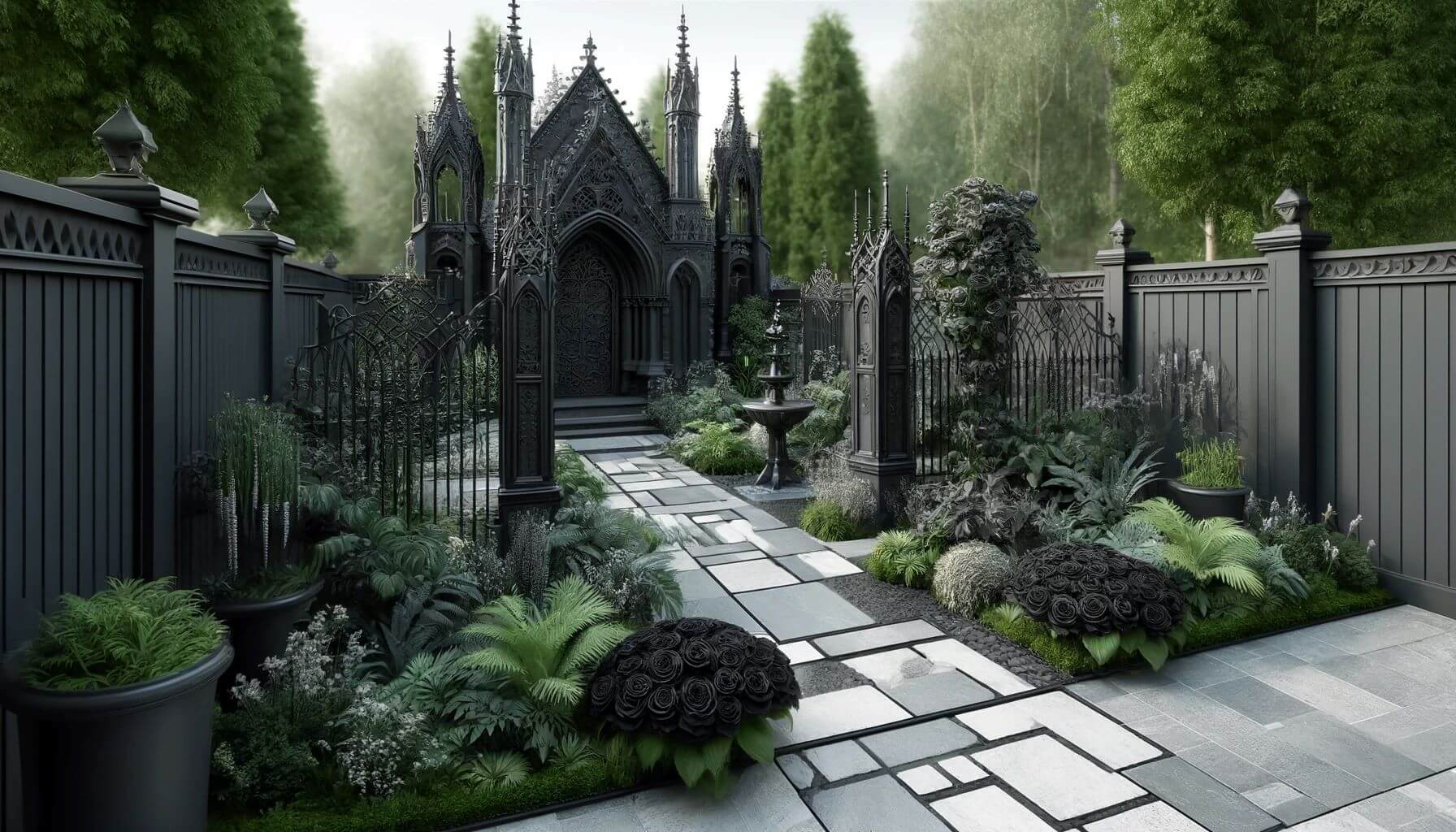
Landscape design is an art form that allows you to express emotions and thoughts through space. Among the many landscape design styles, the stalker style attracts attention by creating unique, atmospheric gardens with elements of abandonment and natural aggression. Inspired by post-apocalyptic worlds, this style emphasizes the interaction between nature and ruined objects, creating a unique and sometimes mystical atmosphere.
At Ecolandscape Studio, we often encounter requests for creating such unconventional gardens that provoke emotional reactions. This style is perfect for those who want to add mystery, drama, and even a touch of chaos to their garden. In this article, we will explain what the stalker style is, how to integrate it into landscape design, and which elements you should consider to create a truly unique garden.
What is Stalker Style in Landscape Design?
The stalker style in landscape design is inspired by the atmosphere of ruined and abandoned territories, where nature literally takes over everything. This style emerged thanks to cultural phenomena such as post-apocalyptic video games and movies, such as «Stalker» or works of science fiction. In landscape design, it combines elements of urban decay and the wildness of nature. Abandoned buildings, rusty metal constructions, stone blocks, and moss create the feeling that the world has been abandoned by humans, and nature has reclaimed its space.
Martin Palma, founder and CEO of Ecolandscape Studio, shares his perspective on this style: “Creating a garden in the stalker style is not just about decorating the area with old metal or stones. It’s a philosophy that reflects our perception of changes caused by humans and nature. My team and I are always looking for harmony between destroyed elements and plants that are restoring the world. This interaction is what makes the stalker style so powerful.”
Key Elements of Stalker Style in Landscape Design
A key feature of the stalker style is the use of abandoned objects rusted metal structures, concrete blocks, old cars, and crumbling walls. These elements create a sense that the space was once actively used but is now only a memory. The trick is not just placing these objects in the garden, but integrating them into the landscape, allowing plants to “take over” them. Using such elements adds character and visual depth to the garden.
In the stalker style, nature is not just a background; it becomes an active participant in the landscape. Natural elements, such as plants, appear aggressive, overtaking space, growing upwards and sideways. For this, plants like cacti, succulents, agaves, and vines that can wind around architectural elements or old constructions are ideal. These plants create the feeling of wild nature reclaiming balance in the world.
The color palette in the stalker style is always dark and muted. Shades of gray, black, dark green, and brown dominate the landscape. These colors create an atmosphere of decay, gloom, and mystery, which is a hallmark of the style. A garden in this style will not be bright or cheerful; rather, it will draw attention through its atmosphere.
Stalker style does not favor symmetry or neatness. On the contrary, it focuses on strange, even imperfect shapes that emphasize the rawness and naturalness of nature. Twisted tree trunks, asymmetrical shrubs, and roots emerging from the ground create a sense of wildness and untamed beauty, which is perfect for this style.
How to Create a Garden in Stalker Style?
When choosing plants for a stalker-style garden, focus on species that look “wild” and “aggressive.” These could include cacti, agaves, succulents, as well as vines like grapevine and virgin ivy that can wind around metal structures. They fit perfectly into the style if they grow naturally and chaotically.
To enhance the atmosphere of abandonment, use old, worn-out elements. These can be rusty metal pipes, concrete blocks, leaning gates, or stone arches. It is important that these elements do not look like mere decorations, but become part of the garden’s ecosystem. For example, an old metal chair covered in moss could serve as an accent in the composition.
Water features are an important part of the stalker style. It is essential that they appear neglected, with murky water and covered in algae. Artificial ponds or lakes with aquatic plants are perfect, evoking the feeling of forgotten, overgrown water bodies. To enhance the abandoned effect, you can place old boats or plastic elements that look like remnants of civilization in the water features.
Lighting plays a crucial role in creating the atmosphere of a stalker-style garden. For this, use subdued light sources that cast soft shadows and accentuate the rough texture of the elements. The lighting should be cold and dim to create a sense of mystery. Ideally, lighting should not illuminate the entire garden but only highlight certain accentssculptures, ruined elements, or plants to create the desired atmosphere.
Stalker style is not just a trend in landscape design; it’s a philosophy that reflects the interaction between humans, nature, and abandoned elements. This style is perfect for those who are not afraid to experiment and want to create a unique space filled with mystery and unusual energy. Creating such a garden requires not only a technical approach but also emotional involvement, as the stalker style will always evoke strong feelings and immerse you in an atmosphere of intrigue.
Ecolandscape Studio always strives to offer our clients something new, unusual, and captivating. The stalker style is a great way to create a garden that is not only beautiful but also profound. We are confident that this approach will be perfect for those who love unconventional, dramatic, and multi-layered landscape solutions.









