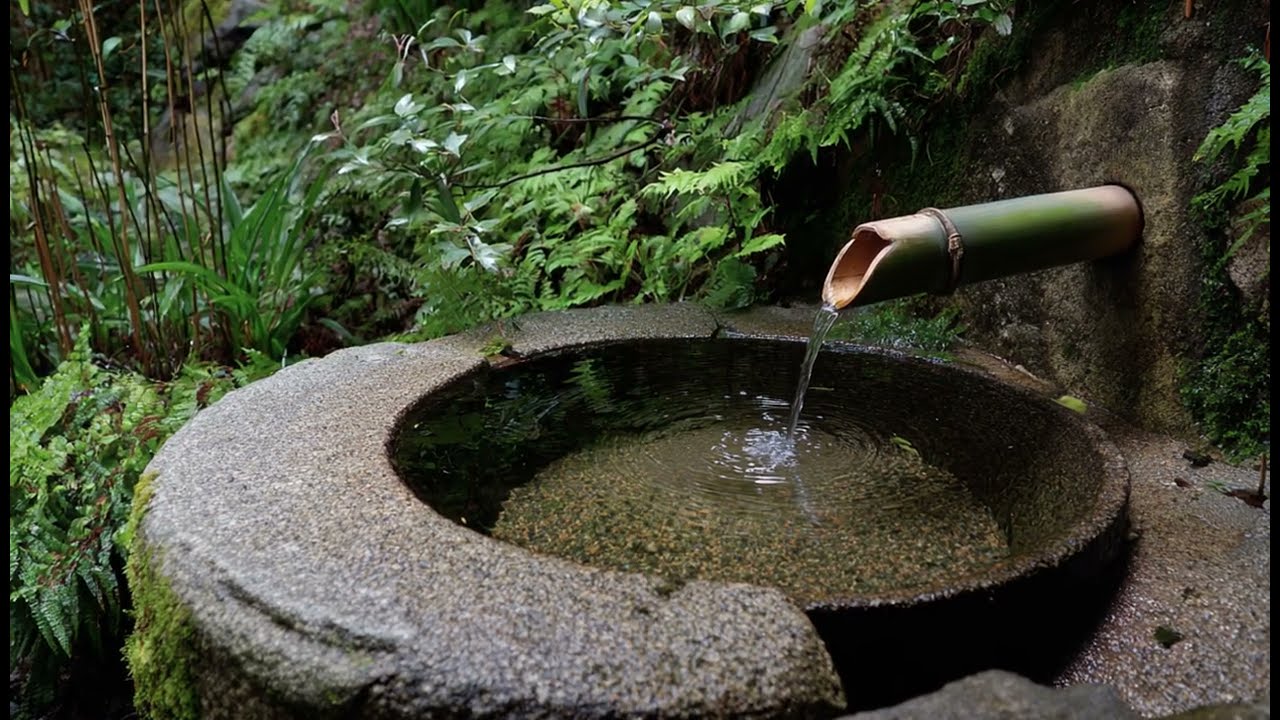
Landscape design is an art that helps create unique spaces for relaxation, work, and harmony with nature. One of the most powerful elements in landscape design is water. Artificial water features not only enhance the aesthetic appeal of the garden but also play an important role in improving the microclimate and creating a relaxing atmosphere. Inspired by the philosophy of Japanese and Chinese gardens, Ecolandscape Studio shares its expertise on how to incorporate elements of Eastern style, with an emphasis on water features, into your garden to create a space of harmony and tranquility.
How Japanese and Chinese Gardens Use Water to Create Harmony
To create harmony in a garden with water features, it’s important to understand the philosophy and characteristics of Japanese and Chinese gardens. These traditions of landscape design are based on respect for nature, its forces, and the symbols that water represents.
Japanese gardens value simplicity and tranquility. Water in these gardens symbolizes the eternal flow of time, harmony, and calm. The ponds in Japanese gardens are typically asymmetric, highlighting the natural irregularity of nature. Stones, moss, and plants in these gardens create an atmosphere of peace and simplicity.
Chinese gardens, on the other hand, are characterized by more complex compositions, where water serves as a connecting element between the elements. Water in Chinese gardens symbolizes life and movement, creating a balance between different parts of the garden. These gardens often feature more intricate water features such as waterfalls, winding rivers, or ponds with stones, which add dynamism and power.
Martin Palma, founder and CEO of Ecolandscape Studio, shares his opinion: «When working on projects inspired by Eastern philosophy, we always strive to create harmony and balance. Water in these gardens is not just a decorative element; it symbolizes the interconnectedness of nature and humanity. Our projects with water features are always aimed at creating a space for peace and a deep connection with nature.»
Why You Should Add Artificial Water Features to Your Garden
Artificial water features are not just decorative elements but important components that give the garden uniqueness, dynamism, and atmosphere. From ponds to waterfalls and streams, each water feature has its function, improving the microclimate and creating visual and sound effects.
Advantages of Artificial Water Features in the Garden:
- Improved Microclimate: Water features help regulate humidity and temperature in the garden. This is especially important during the hot summer months when water serves as a natural cooling element, creating a more comfortable atmosphere for both relaxation and plants.
- Aesthetics and Visual Depth: Water brings dynamism to the landscape. The interplay of light and reflections on the surface of the water creates visual depth, giving the garden a special charm and liveliness. Waterfalls and streams can become the centerpiece of the composition, around which the other elements of the garden are arranged.
- Sound Harmony: The sound of water has a relaxing effect, creating a background for rest and meditation. The gentle murmur of a stream or the cascade of a waterfall can add a sense of seclusion and tranquility to the garden.
- Symbolism and Philosophy of Water: Water in gardens symbolizes life, time, movement, and harmony. It acts as a link between different parts of the garden, creating space for meditation, reflection, and connection with nature.
How to Create a Garden with an Artificial Water Feature
The most important step is choosing the right location for the water feature. In Japanese gardens, ponds are typically placed in the central part of the garden, creating a space for contemplation and calm. In Chinese gardens, water features may be more integrated into the overall structure, connecting different zones of the garden and enhancing its visual composition.
The shape of the water feature should harmonize with the overall style of the garden. In Japanese gardens, asymmetrical shapes are preferred, reflecting the natural irregularity of nature. In Chinese gardens, more complex forms can be used, such as winding channels or cascades, creating a dynamic composition.
Plants play an important role in creating harmony around the water feature. In Japanese gardens, water lilies, lotuses, and other aquatic plants are ideal, highlighting lightness and harmony. In Chinese gardens, algae, ferns, and aquatic flowers can be used to give the garden a richer texture and depth.
Lighting is an important element in creating the atmosphere of the garden. Use soft light sources to highlight the beauty of the water and create a mysterious ambiance. Light lanterns or subtle lighting on aquatic plants and stones will add a sense of magic and mystique, especially in the evening.
Don’t forget to add decorative elements like stones, bridges, or sculptures that will blend harmoniously into the overall composition. These elements highlight the philosophical meaning of the garden and help create a unique atmosphere.
Artificial water features are not only a stylish element of the landscape but also an essential part of creating a harmonious space in the garden. They improve the microclimate, create visual and sound effects, and symbolize the interconnectedness of nature and humanity.
Ecolandscape Studio always strives to create projects that are not only beautiful but also filled with deep meaning. We are confident that integrating water features into landscape design is an investment in a garden that will delight with its beauty and harmony for many years to come.









