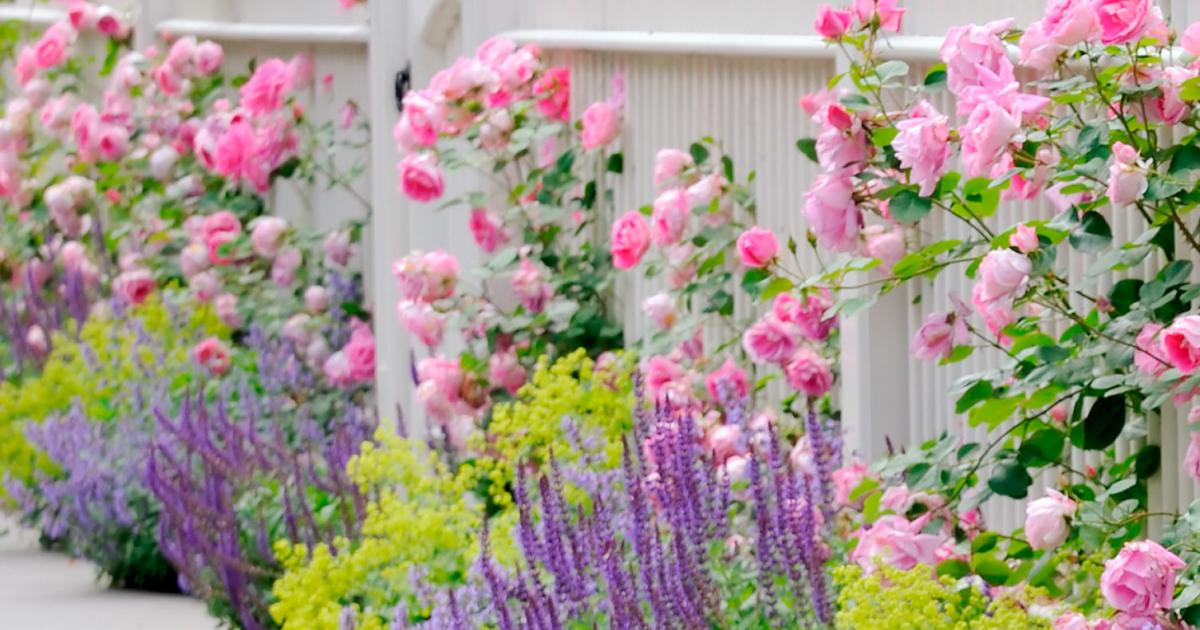
Creating a flower bed is an important element of landscape design that can transform any garden. At Ecolandscape Studio, we place great emphasis on the harmony between plants, considering their color, shape, texture, and size. The right combination of these characteristics helps create a garden that is not only aesthetically pleasing but also ecologically balanced and easy to maintain.
How to Combine Plants by Color
Color is the foundation for creating a composition in a flower bed. When selecting colors, it’s important to consider how the plants will interact with each other. For example, combining cool and warm tones helps avoid monotony and creates contrast that draws the eye. Plants with bright red, orange, and yellow flowers can be harmoniously paired with softer and more neutral tones like purple, green, or blue. This balances the overall look and adds dynamism to the garden.
It’s also important to consider the flowering seasons. Plants that bloom at different times of the year can create a flower bed that delights the eye from early spring to late autumn. Dividing plants by their blooming periods allows for continuous flowering, maintaining interest in the garden and ensuring long-term appeal.
Shapes and Sizes of Plants: How to Create Balance
The size of plants is an essential element that helps structure space. Tall plants, such as decorative shrubs or perennials, can serve as a backdrop for low-growing flowers, creating a layered structure. It’s important that the plants transition smoothly from one to the next in terms of height, so as not to overwhelm the composition.
The shape of the plant also matters. Round-shaped shrubs can be beautifully combined with sharp lines of ornamental grasses. Examples of such combinations include willows or hostas, which contrast harmoniously with the elegant spikes of ornamental grasses. These textures create dynamism in the composition and give it sophistication.
Textures of Plants: The Key to an Interesting Composition
Texture is what brings a flower bed to life. Combining soft and hard forms helps create visual interest and depth in the space. For example, soft herbaceous plants such as sage, lavender, or mint can be contrasted with more rigid and tall grasses or shrubs. This combination is not only beautiful but also helps maintain visual harmony.
Equally important is the use of plants with different leaf textures. Soft leaves of sage or lavender can blend harmoniously with the smooth leaves of hostas or the sharp spikes of grasses like miscanthus. This adds interest and multi-layered depth to the composition, making the garden feel «alive.»
How to Choose Plants for the Flower Bed
At Ecolandscape Studio, we always recommend selecting plants that are adapted to the local climate and soil conditions. This reduces the need for artificial watering and chemical fertilizers, providing a more natural environment for the plants. It’s important to consider that native plants are better suited to the surrounding conditions and require minimal care.
Plants like echinacea, willow, and lavender are excellent choices for creating a sustainable and beautiful flower bed. These species not only add character to the garden but also help maintain the ecosystem by improving soil quality and attracting beneficial insects.
Sustainability of Flower Beds: An Ecological Approach
When designing a flower bed, it’s important to consider sustainable gardening principles. Using native plants, which are adapted to the climate, helps create a self-sustaining ecosystem. Including plants like echinacea, euphorbia, or asters in the composition helps attract beneficial insects and create a space for pollinators like bees and butterflies.
Martin Palma, the founder and CEO of Ecolandscape Studio, emphasizes: «Ecological sustainability is not just a trend, but a necessity. By choosing native plants and creating balanced ecosystems, we not only help preserve nature but also create spaces that require minimal maintenance and upkeep.»
A flower bed is not just a place for bright plants, but a space that should blend harmoniously into the overall landscape. It’s important to consider not only aesthetic factors like color, shape, and size but also the ecological aspect by choosing plants that are suited to local conditions and support natural biodiversity. At Ecolandscape Studio, we strive to create flower beds that not only please the eye but also maintain ecological harmony.
The right combination of plants, their textures, and colors helps create compositions that are not only functional but also durable. Remember, even in the smallest gardens, vibrant and stylish flower beds can be created if approached with care and attention to detail.









