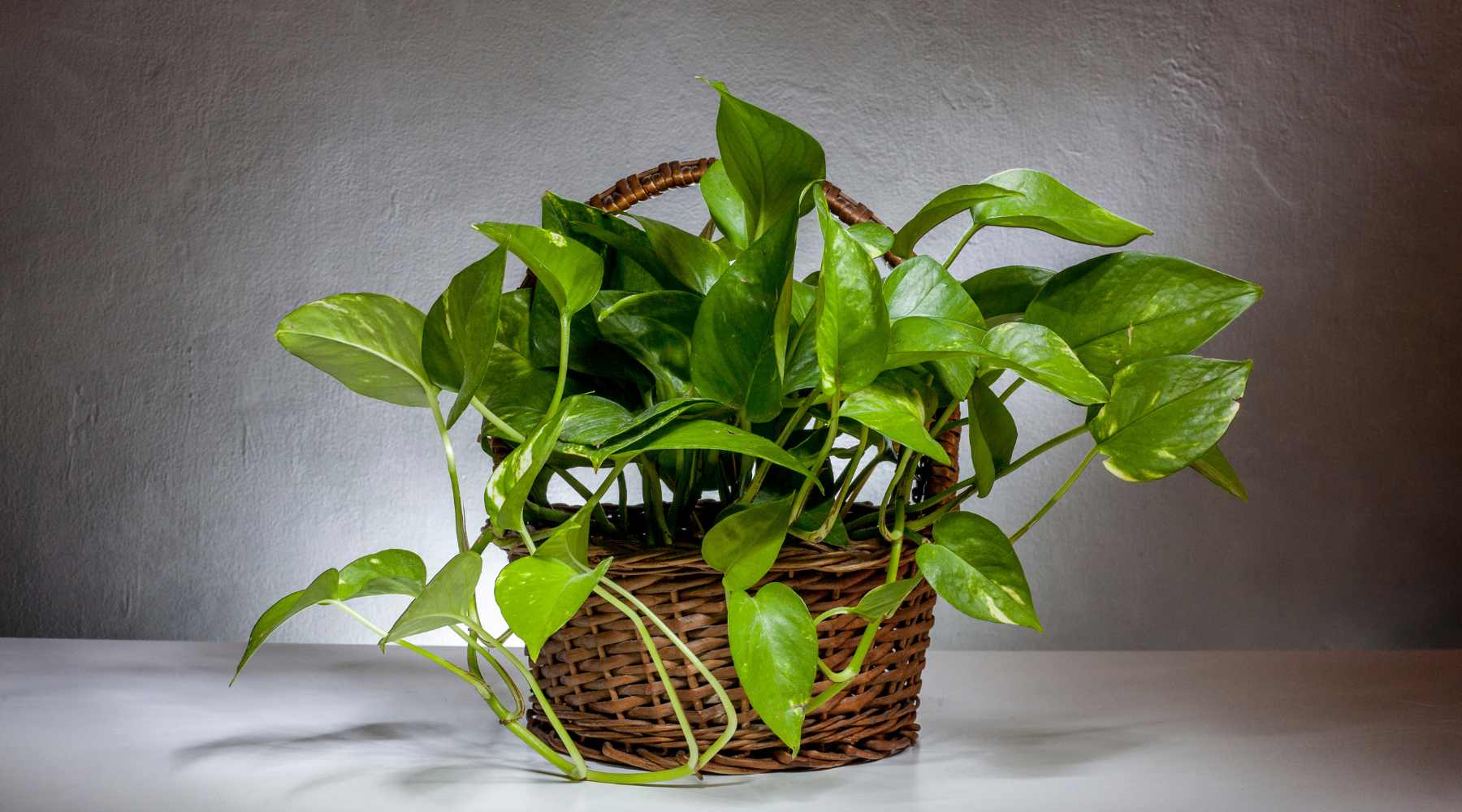
At Ecolandscape Studio, we always share insights about plants that make interiors not only beautiful but truly alive. One such versatile plant is pothos, or Epipremnum aureum. This tropical vine is known for its decorative foliage, low-maintenance care, and air-purifying qualities. Pothos is perfect for both apartments and offices, creating a sense of comfort and freshness.
Our founder and CEO, Martin Palma, shares his experience: «When I first encountered pothos in the early days of Ecolandscape Studio, I was amazed at how resilient this plant is. Even in office settings with limited light, it thrived and delighted the eye. For me, it was a revelation that plants can be easy to care for yet incredibly striking in interior design.»
Decorative Qualities and Botanical Features
Pothos is a tropical vine with long, trailing or climbing stems and aerial roots that allow it to scale vertical supports. Its heart-shaped or lance-shaped leaves have a firm texture and glossy finish, while the range of colors from deep green to light green, bluish tones, and variegated patterns makes each variety unique.
Variegated-leaf varieties grow more slowly but provide a bright decorative accent. Indoors, the stems usually reach 2–3 meters, while in nature, pothos can grow up to 15 meters. Thanks to its aerial roots, the plant can be placed on shelves, in hanging baskets, on vertical structures, or even used to create living green walls.
Growing Conditions
Ecolandscape Studio notes that pothos thrives in bright, indirect light but can also grow in low-light conditions, making it ideal for offices and windowless rooms. Direct sunlight can scorch the leaves and fade their color. The optimal temperature is 16–27 °C (61–81 °F), and high humidity (50–70%) promotes growth and vibrant foliage. During dry winter months, additional humidity through misting or a humidifier helps maintain the plant’s health and decorative appeal.
The soil should be light, nutrient-rich, and well-draining. An ideal mix is peat, coconut substrate, and perlite with a small amount of vermiculite. Pothos prefers slightly acidic soil with a pH of 6–6.5. The pot should be 2.5–5 cm larger than the root ball and have drainage holes to prevent waterlogging.
Watering and Fertilization
Pothos does not like overwatering. Allow the top 2–3 cm of soil to dry before watering again, and always drain excess water from the saucer. The plant tolerates short periods of drought, making it convenient for busy people. To maintain health and decorative appearance, fertilize pothos once every 1–3 months with a balanced liquid fertilizer. Fertilization is especially important in spring and summer, when growth is most active.
Propagation and Repotting
Pothos can be propagated by cuttings or division. Cuttings 10–15 cm long with 1–2 leaf nodes easily root in water or light soil, then can be transplanted into fresh substrate. Mature plants can be divided into multiple sections, each producing a new plant. Repotting is necessary when roots fill the pot and leaves start to wilt. A new container 2.5–5 cm larger than the old one with fresh soil will support growth and restore lush foliage.
Pruning and Leaf Care
Pruning helps maintain the plant’s shape and stimulates new growth. Long stems can be trimmed, and bare stems can be cut back to soil level. To keep leaves glossy and healthy, wipe them with a damp cloth every 2–3 weeks. At Ecolandscape Studio, we often combine pothos with other vines and decorative plants to create living compositions and vertical green walls.
Pests, Diseases, and Safety
Pothos is resistant to most diseases, but overwatering can cause root rot, yellowing leaves, or browning tips. Common pests include spider mites, scale insects, and thrips. We recommend mild insecticides or natural remedies based on soap and water. Remember, pothos is toxic to pets and children, so it’s best kept out of reach of little ones and animals.
Pothos and Air Quality
Pothos actively improves indoor air quality by absorbing harmful volatile organic compounds such as formaldehyde, benzene, and xylene. This makes it a valuable plant for offices and urban apartments. Additionally, its decorative foliage softens interior lines and creates a cozy atmosphere, which is especially important for work and living spaces.
Martin Palma adds: «We often use pothos in our projects to create green corners and vertical compositions. It pairs beautifully with philodendrons, monsteras, and peace lilies, allowing us to form living green walls without complicated maintenance.»
Choosing pothos gives you a decorative, low-maintenance, and beneficial plant that improves air quality, enhances interiors, and adds a touch of comfort. Even a simple plant can transform a space, and at Ecolandscape Studio, we always emphasize that pothos is a prime example of how greenery can make homes and offices vibrant, beautiful, and inviting.