A front yard makeover sounds exciting until you’re standing in your driveway trying to decide what stays, what goes, and what the whole space is even supposed to do. That moment of uncertainty is where most landscaping projects either gain real direction or drift into expensive guesswork. The good news is that asking the right questions early on saves a lot of time, money, and regret later.
One of the most common situations homeowners face is inheriting a front yard that was designed for someone else’s lifestyle. Maybe the previous owners loved a formal lawn with symmetrical shrubs. Maybe the space is full of overgrown plants that made sense twenty years ago but now block windows, crowd the walkway, or simply look tired. Before reaching for a shovel or calling a contractor, it helps to step back and think about what the yard actually needs to accomplish.
The real starting point for any front yard landscaping project is function. Do you want curb appeal that reads well from the street? Do you need a welcoming path to the front door? Are you looking for privacy landscaping that softens the view from passing traffic? Or is the goal simply to reduce maintenance and stop spending every weekend watering and weeding?
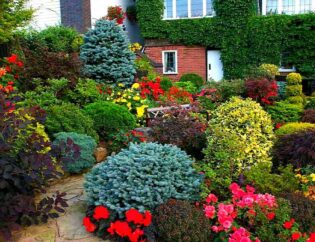
Once you know what the space needs to do, plant selection and layout become much easier. A low maintenance garden design built around native plants and drought tolerant ground covers will look completely different from a formal garden with structured hedges and seasonal color. Neither is wrong, but choosing the wrong direction for your lifestyle leads to frustration.
This is where many homeowners make their first mistake: they start with aesthetics and work backward. They see a photo of a beautiful xeriscape garden design or a lush pollinator garden and want to replicate it without checking whether it fits their soil, climate, sun exposure, or available time. A design that looks stunning in one region can struggle or fail entirely in another.
Martin Palma, founder and CEO of Ecolandscape Studio, often points out that the most successful front yard transformations he has worked on started with a client who was willing to let go of what they thought they wanted and focus on what their property actually needed. In his experience, that shift in thinking is what separates a yard that looks good in photos from one that works well every single day of the year.
Once the functional goals are clear, a few key decisions will shape everything else. Lawn alternatives are worth serious consideration, especially in regions where water wise landscaping is becoming a practical necessity rather than just a trend. Replacing turf with native plant garden design, gravel pathways, or low growing perennials can dramatically cut water use and maintenance time while still creating a yard that looks intentional and well cared for.
Garden edging ideas are another detail that carries more visual weight than most people expect. Clean, defined edges between planting beds and pathways give a yard a finished, professional look without requiring expensive materials. Simple steel edging, natural stone borders, or even well-maintained soil lines can make a significant difference in how polished the overall design feels.
Landscape lighting ideas are often left until the end of a project, but they deserve early planning. Lighting affects how the yard reads after dark, adds a layer of safety along walkways, and can highlight planting design features that would otherwise disappear at night. Running conduit during the construction phase is far easier than retrofitting it later.
For homeowners dealing with dry summers or fire prone areas, fire resistant landscaping and drought tolerant garden design are not optional extras. They are practical responses to real conditions. Choosing plants with low moisture content, keeping mulch away from the foundation, and creating defensible space around the home are decisions that protect property while still allowing for a beautiful, layered planting design.
The front yard is the first thing people see when they arrive at your home, and it sets the tone for everything behind it. A thoughtful residential landscape design does not need to be elaborate or expensive to be effective. It needs to be honest about the site, realistic about maintenance, and clear about what the homeowner actually values.
Starting with tough decisions is not a setback. It is the most useful thing you can do before a single plant goes in the ground.