Creating a high quality landscape project always begins with understanding the objectives the future outdoor space must achieve and the resources required to bring those goals to life. Martin Palma, founder and CEO of Ecolandscape Studio, considers the cost of landscape design to be the result of a comprehensive evaluation of the property, engineering conditions, architectural features, the client’s expectations, and the long term strategy for maintaining the landscape. The final budget is never determined by individual decorative elements alone. Instead, it reflects a combination of interconnected decisions, each of which directly influences the functionality, durability, and visual character of the completed environment.
The first stage involves evaluating the site itself. The total area, topography, elevation changes, soil quality, groundwater levels, existing trees, underground utilities, and the overall readiness of the property for construction all play an important role. The more technically challenging the initial conditions, the greater the amount of planning and engineering required before installation begins. In many projects, site preparation represents a substantial portion of the investment because reliable drainage, irrigation, lighting, and healthy plant development cannot be achieved without a properly prepared foundation.
The scope of design documentation is another major factor affecting the overall budget. Landscape design extends far beyond selecting plants and creating attractive compositions. A complete project typically includes the master plan, planting schemes, construction drawings, irrigation layouts, lighting plans, drainage systems, paving details, and other technical documentation. At Ecolandscape Studio, we analyze every property as an integrated system where every component must function together seamlessly. This comprehensive planning process allows potential technical challenges to be identified early while minimizing costly modifications during construction.
Material selection also has a significant impact on project costs. Natural stone, architectural concrete, timber, decorative aggregates, premium paving materials, outdoor lighting equipment, and automated control systems vary considerably in price, longevity, and installation requirements. However, the most expensive materials are not always the most appropriate solution for every landscape. The primary objective is to select materials that correspond to the property’s functional needs, architectural style, environmental conditions, and expected level of daily use.
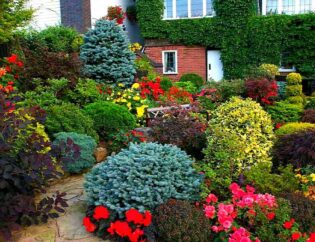
Plant selection represents another essential component of the overall investment. The size of nursery stock, tree maturity, plant origin, availability of rare species, and transportation requirements all influence the final budget. At the same time, growth rates, climate adaptability, long term maintenance requirements, and compatibility between different species must be carefully evaluated before final decisions are made. Specialists at Ecolandscape Studio note that a thoughtfully designed planting strategy allows the landscape to retain its visual appeal for many years while reducing the need for frequent replacement or large scale restoration work.
Engineering systems deserve particular attention because they often remain invisible once construction has been completed. Automatic irrigation, outdoor lighting, drainage infrastructure, electrical distribution, concealed utility networks, and stormwater management systems create the foundation for reliable long term landscape performance. Attempts to reduce costs during these technical stages frequently result in considerably higher expenses later, since correcting hidden infrastructure problems often requires dismantling completed landscape elements.
Construction and installation work also represents a substantial portion of the overall project budget. Earthworks, foundation preparation, paving installation, retaining structures, equipment installation, planting operations, and the precision of every construction process all influence the final investment. We believe that professional execution is just as important as high quality design because even the most carefully prepared plans cannot deliver lasting results if construction standards are compromised.
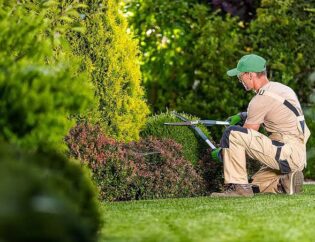
Future maintenance expenses should also be considered during the planning stage. Once construction is complete, the landscape continues to develop and requires seasonal maintenance, sanitary pruning, irrigation adjustments, system inspections, plant health monitoring, and preventive care throughout the year. Including these future requirements during the design phase makes long term operating costs more predictable while preserving the original appearance and performance of the landscape for a significantly longer period.
The cost of landscape design is determined by the combination of numerous professional decisions that collectively shape the final quality of the project. At Ecolandscape Studio, we see transparent budget planning as the foundation of a strong relationship with every client because a clear understanding of each project stage allows informed decisions to be made, investments to be allocated efficiently, and landscapes to be created that remain functional, visually refined, and sustainable for many years to come.