The modern garden is increasingly viewed as far more than a static composition designed solely for visual appeal. Today it has evolved into a carefully engineered environment where natural processes are enhanced through technology, automation, and precise planning. Martin Palma, founder and CEO of Ecolandscape Studio, sees this as a transition toward a more responsible and intelligently managed approach to landscape design, where technology is used not to replace nature but to better understand and support its needs. This philosophy enables outdoor spaces to preserve their beauty, use resources more efficiently, and adapt naturally to seasonal changes while requiring significantly less ongoing intervention.
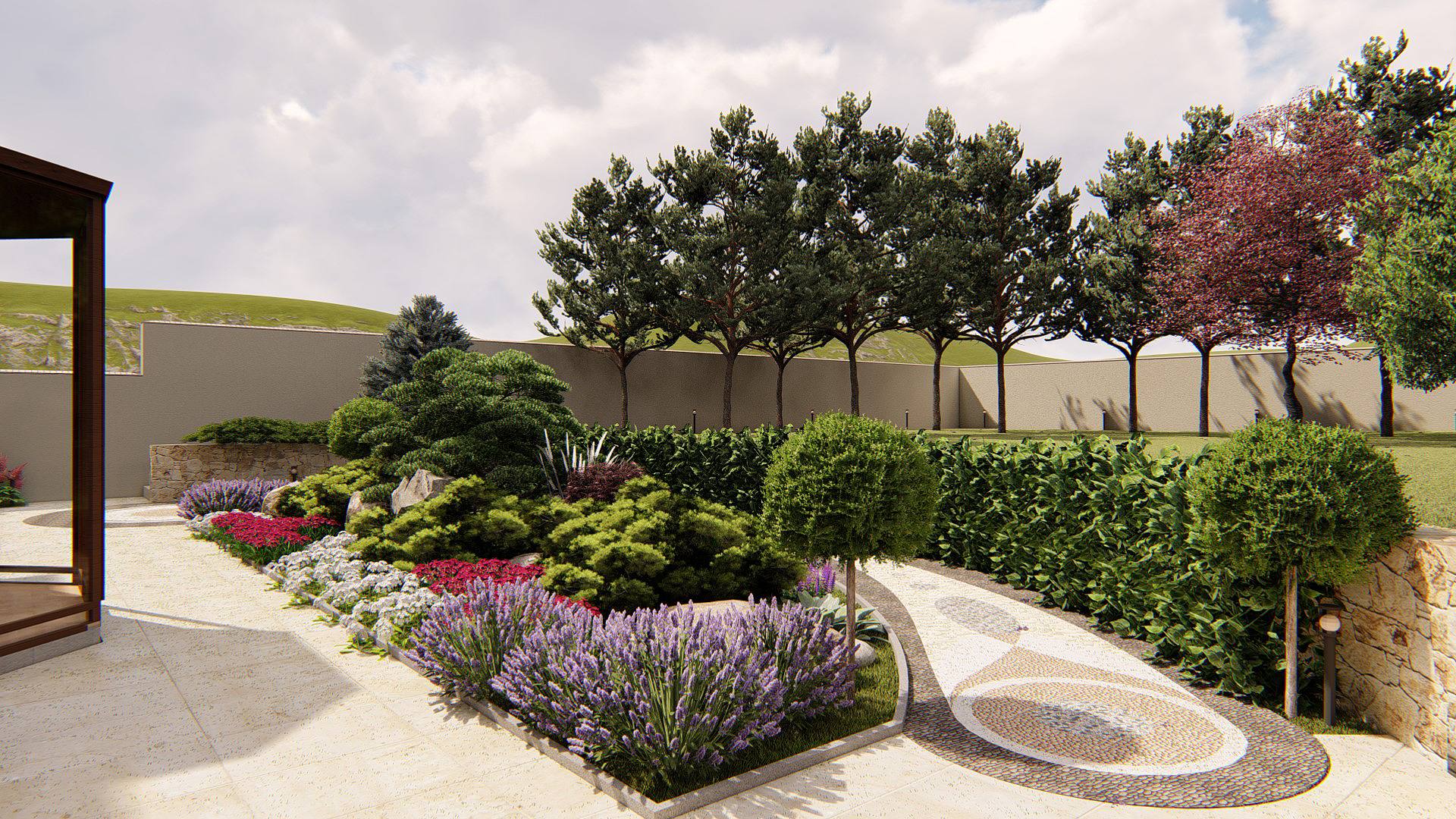
One of the most significant developments in recent years is the widespread use of digital landscape modeling. Before construction begins, designers create highly detailed virtual representations of the property, allowing them to evaluate plant placement, lighting conditions, circulation routes, spatial proportions, and the long term evolution of the landscape. This technology is especially valuable for complex projects where architecture, terrain, engineering infrastructure, and planting schemes must function together as one cohesive environment. Virtual visualization also allows potential design issues to be identified early, reducing the likelihood of expensive modifications during construction.
Another major technological advancement involves the precise analysis of site conditions. Modern surveying equipment, digital terrain mapping, and detailed soil assessments provide information that cannot be obtained through visual inspection alone. At Ecolandscape Studio, we analyze elevation changes, drainage patterns, underground utilities, and soil characteristics before developing the final design concept. These technical insights allow drainage systems, retaining structures, pathways, and planting zones to be positioned with maximum accuracy, minimizing future risks such as surface settlement, standing water, or declining plant health.
Automatic irrigation has also undergone remarkable transformation through technological innovation. Advanced irrigation systems now respond to air temperature, soil moisture levels, rainfall data, and the specific water requirements of different plant groups. Remote management allows irrigation schedules to be adjusted from virtually any location, while water consumption is continuously optimized according to actual site conditions. This level of precision is particularly beneficial for large landscapes where manual irrigation rarely provides consistent results. Intelligent water management not only conserves valuable resources but also protects plants from both drought stress and excessive watering.
Landscape lighting has likewise become an integrated component of sophisticated outdoor management systems. Modern lighting solutions can be programmed according to time schedules, brightness levels, and different functional scenarios, creating distinct atmospheres for evening relaxation, safe circulation, or architectural emphasis. Motion sensors and daylight detection allow lighting to respond automatically to changing environmental conditions, while energy efficient equipment reduces overall power consumption. Specialists at Ecolandscape Studio note that successful landscape lighting should enhance architectural and natural features without overwhelming the environment with unnecessary brightness, preserving the natural character of the outdoor space.
Technological progress has also transformed plant selection. Professional databases make it possible to evaluate climate adaptability, growth rates, soil preferences, seasonal appearance, and compatibility between species before final planting decisions are made. As a result, planting compositions are created based on comprehensive biological performance rather than appearance alone. Future plant dimensions are also carefully considered to ensure that mature trees and shrubs will not interfere with pathways, building facades, lighting systems, or neighboring vegetation as the landscape develops over time.
Modern innovation continues beyond project completion through advanced maintenance technologies. Soil monitoring sensors, remote pump supervision, automated irrigation diagnostics, and digital notification systems make it possible to identify technical issues before visible damage occurs. If water pressure changes, irrigation lines develop leaks, or operating schedules are disrupted, immediate alerts allow corrective action to be taken quickly. This level of continuous monitoring is especially valuable when property owners are away for extended periods, preventing relatively minor technical issues from developing into costly landscape restoration projects.
Sustainable technologies have become another defining element of contemporary landscape design. Rainwater harvesting systems allow collected precipitation to be reused for irrigation, while permeable paving materials enable water to infiltrate naturally into the ground rather than overloading drainage infrastructure. Durable composite materials, environmentally responsible construction products, and locally sourced resources help reduce maintenance requirements while minimizing environmental impact. We believe that genuine innovation is measured not by the quantity of technology installed but by how effectively every solution improves reliability while reducing pressure on natural ecosystems.
Technology does not make landscapes feel artificial. On the contrary, it allows designers to eliminate unnecessary uncertainty and respond more precisely to the owner’s lifestyle, the architectural character of the property, and the surrounding environment. At Ecolandscape Studio, we see modern technology as the foundation for creating gardens that appear entirely natural while benefiting from carefully engineered infrastructure behind the scenes. Such landscapes develop predictably, require fewer unnecessary resources, and preserve the original design vision for many years to come.