After rain, gardens can face several issues, including waterlogging, root rot, and the development of fungal diseases. It is important to understand how to properly care for the garden in such situations to minimize these risks and keep the plants healthy. At Ecolandscape Studio, we pay special attention to garden care, and our experience allows us to share effective recommendations that will help your garden thrive even after heavy rainfall. These recommendations are also based on the personal experience of our founder and CEO, Martin Palma, who shares valuable insights.
The Impact of Rain on Plants and Soil
Rain is certainly an essential element for the normal growth of plants. However, excessive water can lead to a range of problems. When the rain is heavy and lasts for a long time, water can begin to accumulate in the soil, which disrupts its structure and reduces the oxygen available to the roots. This leads to root rot, weakened plants, and the appearance of fungal diseases. Over-saturated soil becomes loose, promoting the growth of mold and various fungi that spread quickly throughout the garden.
Being able to assess these risks properly and taking timely measures is key to maintaining your garden’s health. It is essential to understand how water affects the soil and plants and what actions to take to avoid harming the greenery. This is especially important when it comes to maintaining plant health in conditions of increased moisture.
How to Assess Soil Condition After Rain
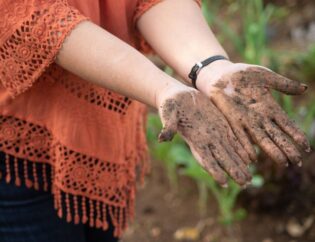
The first step we always take at Ecolandscape Studio is to assess the condition of the soil. Before starting work in the garden after rain, it is important to check how saturated the soil is with water. If the soil does not absorb moisture and puddles are visible on the surface, it is a sign that the soil is waterlogged. To check, simply insert a stick or finger into the soil. If the soil does not move, it is still too wet, and it is better to wait before working in the garden.
We always recommend waiting for the soil to dry a little. Working in overly wet soil can compact it, making it harder for oxygen to reach the roots, which can lead to their rotting. Usually, just a few days are enough for the soil to reach the right condition for working, and the plants will not suffer from excessive moisture.
How to Ensure Good Drainage
Drainage is one of the main components of garden care after rain. On many plots, water accumulates in low areas, creating problems for the roots of plants. It is important to ensure that water does not stay on the site and drains quickly. For this, we always recommend installing drainage ditches or water drainage pipes. Digging ditches or installing pipes to divert water are standard methods that help effectively control moisture levels.
When the soil structure is disrupted, it is important to improve its drainage. We recommend adding sand, gravel, or organic compost to the soil, especially if you have clay soil that does not allow water to pass through easily. Good drainage helps the water to leave and prevents root rot.
We also always take the plant location into account. For plants that are sensitive to excess moisture, it is better to choose elevated areas to avoid low-lying areas where water accumulates. This simple solution significantly improves garden conditions after rain.
Mulching to Retain Optimal Moisture
Mulching is one of the most effective ways to manage soil moisture in the garden. In the case of heavy rainfall, mulch helps retain moisture at the right level. It protects the roots from the impact of heavy rain and helps prevent their damage. At the same time, mulch prevents soil from drying out during droughts and helps control weed growth.
We prefer to use organic materials for mulching: wood chips, straw, compost, and hay. These materials have many advantages. First, they not only retain moisture but also nourish the soil, improving its structure. Second, mulch reduces the number of weeds that can choke plant growth and protects the soil from erosion.
Fighting Fungal Diseases
After rain, the likelihood of fungal diseases significantly increases. The moist environment promotes the multiplication of microorganisms such as mold and rot. These diseases can spread quickly across the garden if not addressed promptly.
As soon as you notice damage to the plants, it is important to immediately remove the affected parts. This will help prevent the infection from spreading. For prevention, we recommend using natural fungicides, such as pine extracts or garlic infusions, which are harmless to plants but effectively combat fungal diseases.
Soil Aeration
After rain, the soil can become compacted and less permeable to air, which makes it difficult for the roots to develop properly. To avoid this, we always perform soil aeration. This is a process in which the soil is perforated to improve oxygen flow to the roots. Garden forks or a special aerator are ideal tools for this.
Aeration not only improves root breathing but also helps water drain faster by creating a porous soil structure. This is particularly important in areas with heavy clay soils that are prone to waterlogging. It helps improve plant health and prevents their rotting.
Watering After Rain: When and How to Water
After rain, there is usually no need for additional watering, especially if the rainfall was heavy. However, it is important to check the soil moisture to ensure that the plants are getting enough water. We always recommend checking the soil to a depth of 5-10 cm to understand if watering is needed. If the soil is still moist, it is better not to water. Overwatering can be more harmful than under-watering, as it can lead to root rot.
If there has been no rain for several days, it is possible to water the plants, but it should be done moderately to avoid over-saturating the soil.
Caring for the garden after rain requires attentiveness and care. To avoid waterlogging and other problems related to excess moisture, it is important to properly assess soil condition, ensure good drainage, use mulch, and aerate regularly. This helps maintain optimal conditions for the roots, which in turn supports the health and growth of the plants.
As Martin Palma once said, «We always start with the soil. If the soil is healthy and balanced, plants will be able to withstand any weather conditions. It is important to do this regularly, not just in response to a problem.»