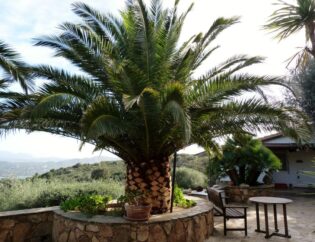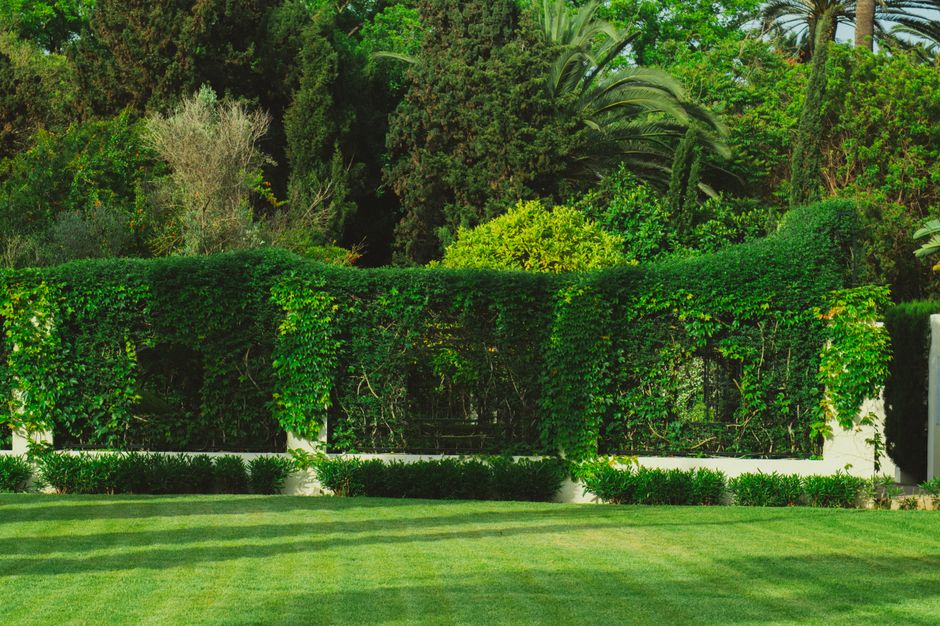
The traditional grass lawn has long been the default choice for residential yards across the country. But something is changing. More homeowners are stepping back from the constant mowing, watering, fertilizing, and reseeding cycle — and choosing a smarter, more intentional approach to their outdoor spaces. The «plant-by-number» garden concept is gaining real traction, and it reflects a broader shift in how people think about yard landscaping design, outdoor comfort, and the long-term cost of maintaining a property.
The idea behind plant-by-number gardening is straightforward. Instead of filling a yard with a uniform grass surface that demands weekly attention, homeowners work with a pre-planned planting design that maps out exactly which plants go where, how many are needed, and how they will grow together over time. The result is a layered, textured garden that looks intentional and fills in naturally — reducing the need for constant intervention.
The appeal of a perfectly green lawn has faded for many practical reasons. Water costs are rising, drought conditions are affecting more regions, and the environmental impact of lawn chemicals is harder to ignore. Low maintenance garden design and drought tolerant garden design have moved from niche preferences to mainstream requests in residential landscape design.
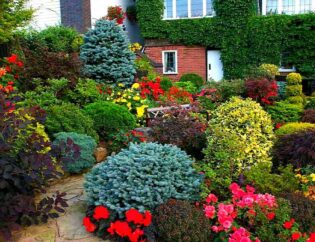
Lawn alternatives like ornamental grasses, ground covers, native perennials, and mulched planting beds are now common features in both front yard landscaping ideas and backyard landscaping ideas. These options require far less water, fewer inputs, and less physical labor once they are established. Native plant garden design, in particular, has grown significantly in popularity because native species are adapted to local conditions and support local wildlife without extra effort from the homeowner.
Pollinator garden design is another direction many homeowners are exploring. Replacing a section of lawn with flowering perennials, herbs, and native shrubs creates habitat for bees, butterflies, and other beneficial insects — while also producing a garden that looks alive and dynamic through the seasons.
Martin Palma, founder and CEO of Ecolandscape Studio, has observed this shift directly in client conversations over recent years. In his experience, the turning point for most homeowners comes when they calculate how much time and money they spend maintaining a lawn that gives very little back. A well-designed planting scheme, even a modest one, tends to deliver more visual interest, more seasonal change, and more satisfaction than a flat grass surface that needs constant upkeep.
The plant-by-number approach works well for a range of property types and sizes. For small backyard design, it offers a way to create a full, lush-looking space without overcrowding or guesswork. For larger front yard landscaping ideas, it provides structure and cohesion across a wider area.
The process typically starts with a simple site assessment — understanding the sun exposure, soil type, drainage patterns, and the homeowner’s preferences for color, texture, and maintenance level. From there, a planting plan is developed that assigns specific plants to specific zones. Each plant is chosen for its mature size, growth habit, and compatibility with its neighbors.
Xeriscape garden design and water wise landscaping principles fit naturally into this framework. By grouping plants with similar water needs together, the garden becomes easier to irrigate efficiently — or in many cases, easier to manage with rainfall alone once plants are established. Rain garden design can also be incorporated into lower areas of the yard to capture and filter runoff, adding both function and visual interest.
For homeowners concerned about fire risk, fire resistant landscaping choices can be built directly into the planting plan. Selecting low-moisture, fire-resistant species for areas close to the home is a practical step that plant-by-number planning makes easy to implement from the start.
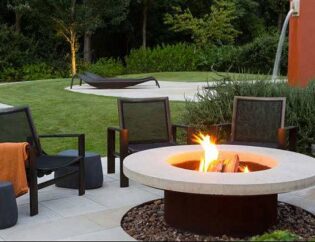
Finishing details matter too. Garden edging ideas help define planting beds and keep the design looking clean over time. Landscape lighting ideas can extend the usability of the outdoor living space design into the evening hours and highlight the texture and structure of the planting. Privacy landscaping, using taller shrubs or ornamental grasses along boundaries, can be layered into the plan without disrupting the overall aesthetic.
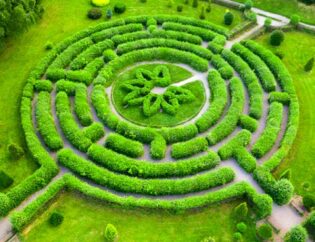
Modern garden design tends to favor simplicity, repetition, and a restrained plant palette — and plant-by-number planning supports all of these qualities naturally. The gardens that result from this approach tend to age well, fill in gracefully, and require less corrective work over time compared to gardens that were planted without a clear structure.
For homeowners ready to move away from high-maintenance lawns, the plant-by-number model offers a genuinely practical path forward. It removes the guesswork from planting design, reduces the risk of costly mistakes, and creates outdoor spaces that are both beautiful and manageable. At Ecolandscape Studio, this kind of thoughtful, structured approach to home garden design is exactly what we encourage — because a garden that works with your lifestyle is one you will actually enjoy.