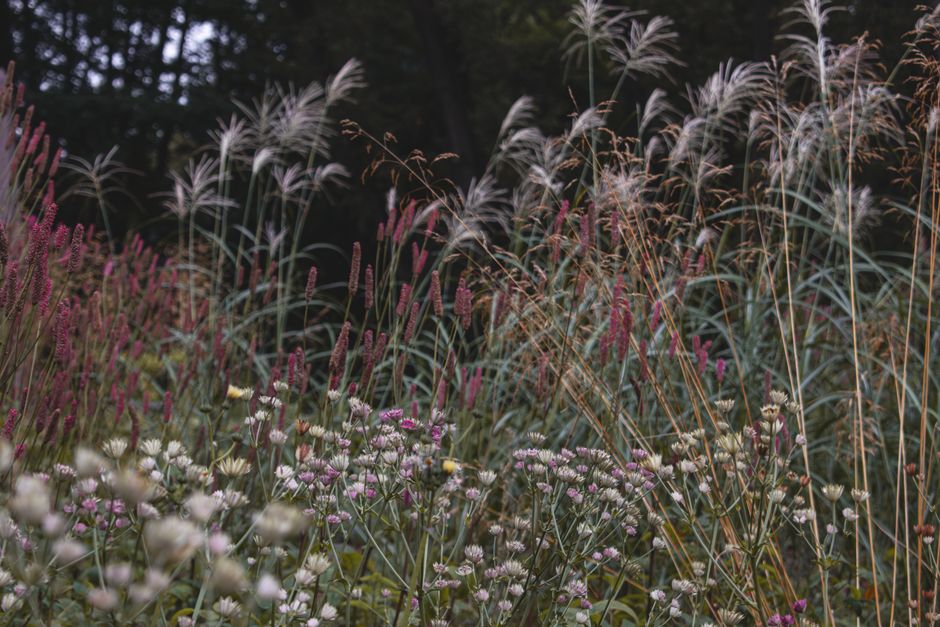
There is something quietly powerful about watching a landscape take shape under the hand of someone who has spent decades rethinking how plants can live together. At Planting Fields Arboretum State Historic Park in Oyster Bay, New York, a new garden designed by Piet Oudolf is currently being developed on the grounds of the Planting Fields Foundation. For anyone who follows garden design trends or works in residential landscape design, this project is worth paying close attention to.
Oudolf is the Dutch landscape designer behind some of the most celebrated public gardens in the world, including the High Line in New York City and Lurie Garden in Chicago. His approach, often described as the New Perennial Movement, centers on using grasses, perennials and native plants in ways that look naturalistic rather than manicured. The goal is not a tidy, controlled garden but a living, seasonal landscape that changes throughout the year and supports biodiversity at every stage.
The new Oudolf garden at Planting Fields Foundation is being built on a site that already carries significant horticultural history. The foundation has long been committed to education, conservation and public engagement with the landscape. Adding a garden by Oudolf brings a contemporary planting design philosophy into dialogue with that legacy.
What sets Oudolf’s work apart is his focus on the full life cycle of plants. He designs with the winter silhouette in mind just as much as the summer bloom. Seedheads, dried stems and faded foliage are treated as visual assets rather than things to be cut back. This approach aligns closely with low maintenance garden design principles, since it reduces the need for constant intervention and allows the garden to evolve naturally.
The plant palette in Oudolf’s gardens typically leans heavily on native plant garden design and pollinator garden design principles. Dense drifts of prairie-style perennials and ornamental grasses create habitat for bees, butterflies and other beneficial insects. The result is a garden that functions ecologically while still delivering strong visual impact across all four seasons.
Martin Palma, founder and CEO of Ecolandscape Studio, has followed Oudolf’s influence on residential landscape design for years. From his experience working with homeowners on planting design, he has noticed that clients are increasingly drawn to the layered, naturalistic aesthetic that Oudolf popularized, but they often underestimate how much upfront planning it requires. Getting the plant combinations right, understanding how each species behaves over time and thinking about seasonal transitions are all decisions that need to happen before a single plant goes into the ground. The visual simplicity of the finished garden is actually the result of very deliberate design thinking.
The Planting Fields Foundation project may be a large-scale public installation, but the principles behind it translate directly into backyard landscaping ideas and front yard landscaping ideas for residential properties.
One of the most practical lessons is the value of designing for multiple seasons. Many homeowners focus on spring and summer color and end up with a garden that looks bare or neglected from October through March. Choosing plants with strong winter structure, such as ornamental grasses, rudbeckia, echinacea and various sedums, keeps the yard landscaping design interesting year-round without requiring additional planting.
Another takeaway is the shift away from traditional lawn toward lawn alternatives. Oudolf’s gardens rarely feature large areas of turf. Instead, ground is covered with low-growing perennials, grasses and groundcovers that require far less water and maintenance. For homeowners exploring water wise landscaping or xeriscape garden design, this kind of approach offers a practical and visually compelling path forward.
The use of native plants is also central to this design philosophy. Native plant garden design supports local ecosystems, reduces the need for irrigation and fertilizers, and tends to perform better in local climate conditions than exotic ornamentals. When combined with thoughtful garden edging ideas and landscape lighting ideas, a native-focused planting design can elevate the entire outdoor living space design of a property.
Rain garden design and drought tolerant garden design are natural companions to this style of landscaping. By choosing plants adapted to local rainfall patterns and soil conditions, homeowners can create a yard that handles both wet and dry periods without constant intervention.
The Planting Fields Foundation garden is still taking shape, but its development is already generating conversation among landscape designers, horticulturalists and garden enthusiasts. For those of us who work in residential landscape design every day, projects like this serve as a reminder that the most enduring gardens are the ones designed with ecology, seasonality and long-term resilience in mind.
If you are planning a garden renovation or starting a new outdoor space from scratch, the principles at work in this project offer a genuinely useful framework. Think about plant communities rather than individual specimens, design for the full year rather than just peak season, and choose plants that support wildlife as well as visual appeal. That combination tends to produce gardens that age well, require less intervention and feel genuinely connected to the landscape around them.









