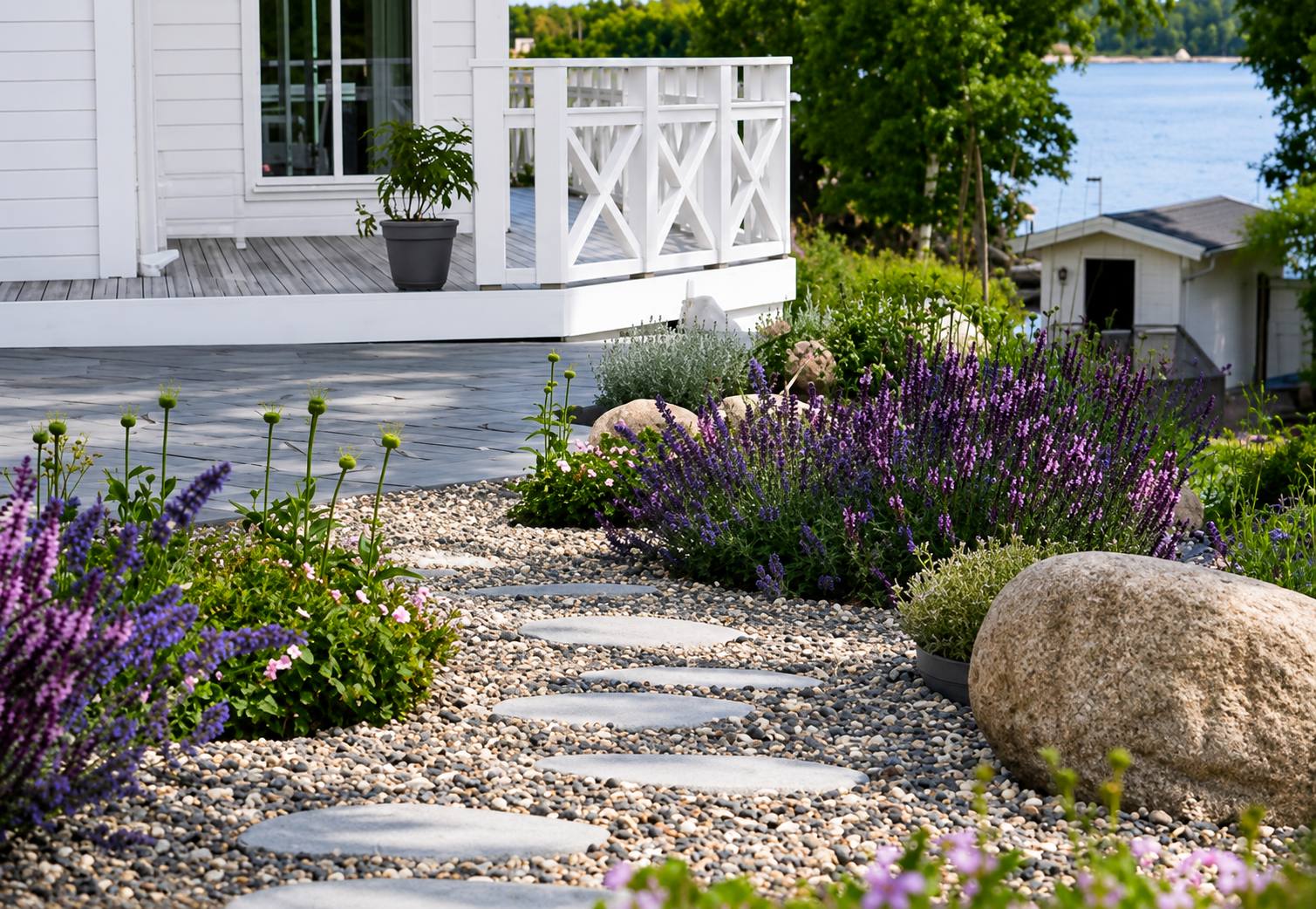
Scandinavian landscape design is built on respect for the natural character of the site, clear spatial organization, and a deliberate rejection of unnecessary decoration. Martin Palma, founder and CEO of Ecolandscape Studio, emphasizes that this style should never appear artificially simplified or intentionally empty. Its beauty comes from carefully balanced proportions, natural materials, thoughtful zoning, and the ability to remain visually appealing throughout changing seasons and weather conditions. Every element serves a practical purpose, while planting, pathways, and outdoor living spaces work together to create a calm environment where architecture complements nature rather than competing with it.
The design process begins with a detailed assessment of the site’s topography, existing vegetation, prevailing winds, and the movement of sunlight throughout the day. Scandinavian landscapes rarely require a complete transformation because the objective is to reveal and enhance the qualities that already exist. Rocky areas can become natural focal points, mature trees provide valuable shade, and gentle changes in elevation may be incorporated into terraces or steps. At Ecolandscape Studio, we analyze every property as an integrated system where each intervention should be carefully justified, visually balanced, and seamlessly incorporated into the surrounding landscape.
The layout follows a straightforward and intuitive logic that encourages comfortable movement across the property. Pathways connect the house, terrace, garden, and service areas using the most practical routes rather than unnecessary curves. The landscape is not divided into numerous small sections because generous open spaces create a stronger sense of light, freedom, and tranquility. At the same time, every area receives a clearly defined purpose. Outdoor dining spaces are positioned close to the house, quiet relaxation zones are placed in more secluded locations, and functional elements are discreetly screened with planting or simple timber structures.
Materials are selected according to their natural texture, durability, and ability to age gracefully over time. Timber, granite, gravel, brick, and untreated stone establish a foundation that remains attractive despite exposure to rain, sunlight, and seasonal temperature changes. Highly polished or reflective finishes are used sparingly because they interrupt the understated character that defines Scandinavian landscapes. Specialists at Ecolandscape Studio note that repeating the same material across paving, retaining features, and outdoor living areas creates visual consistency while strengthening the overall identity of the project.
Plant selection focuses on quality rather than quantity. Hardy trees, shrubs, ornamental grasses, and perennial species that thrive in the local climate are favored because they preserve the structure of the landscape throughout most of the year. Birch, pine, juniper, dogwood, heather, ferns, and ornamental grasses contribute to the recognizable atmosphere associated with northern landscapes. Planting appears relaxed and natural, yet every position is carefully planned to ensure adequate light, balanced growth, and harmonious groupings as the garden matures.
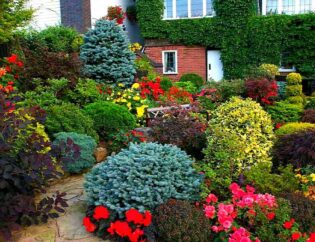
The color palette remains restrained and is based on soft greens, grays, whites, and muted natural tones. Bright flowers may be included, but only as carefully positioned accents rather than dominant visual elements. White blossoms brighten shaded corners, blue and violet flowers introduce depth, while silver foliage creates a natural connection with stone and timber. We believe that limiting the color palette results in a more unified landscape where textures, plant forms, and seasonal transitions become far more noticeable than strong color contrasts.
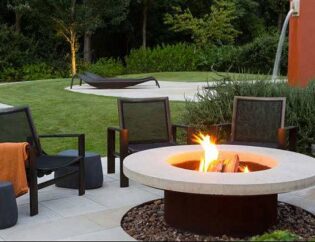
Outdoor living plays an essential role within Scandinavian landscape design. Timber decks, simple benches, compact terraces, and sheltered seating areas encourage year round use of the garden. Furniture is chosen for comfort, durability, and timeless design instead of decorative complexity. Textiles, portable lighting, and container planting introduce warmth and individuality without disturbing the clean architectural language. Even a relatively small outdoor space can feel complete when its proportions reflect both the architecture of the house and the everyday lifestyle of its owners.
Lighting is designed to enhance the atmosphere while improving safety without eliminating the natural character of evening darkness. Fixtures are positioned along principal walkways, near entrances, steps, and gathering spaces. Warm, diffused illumination highlights timber surfaces, natural stone, and the silhouettes of surrounding plants without creating excessive contrast. Accent lighting is reserved for selected trees or architectural details because an abundance of bright fixtures would diminish the calm and understated atmosphere that defines the Scandinavian aesthetic.
Practicality is equally evident in the long term maintenance strategy. Lawns often occupy a relatively modest portion of the property, giving way to gravel surfaces, groundcover planting, and natural meadow inspired compositions. These solutions reduce water consumption, minimize mowing requirements, and allow the landscape to retain a naturally relaxed appearance. Rainwater may be directed toward planting areas, while composting and the use of locally sourced materials contribute to lower maintenance costs. As the garden evolves over time, it preserves its original design concept without requiring constant intervention.
A well designed Scandinavian landscape does not rely on obvious luxury, yet it creates a lasting impression through exceptional craftsmanship, comfort, and the quiet confidence of every carefully considered detail. At Ecolandscape Studio, we see this design philosophy as an opportunity to create landscapes that respond equally well to architecture, climate, and the lifestyle of their owners. Natural materials, resilient planting, and carefully organized functionality produce gardens that remain relevant for decades, never overwhelm with unnecessary decoration, and continue to express elegance throughout every season of the year.