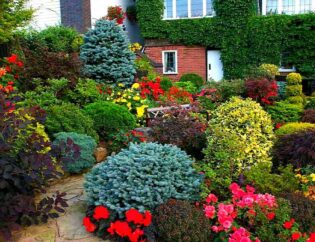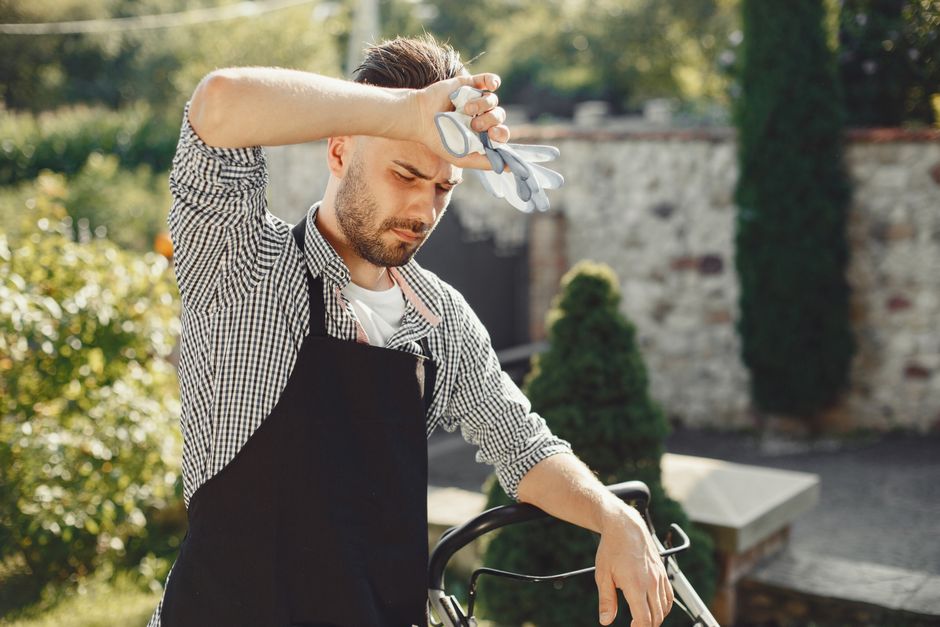
July in the UK has been delivering some genuinely intense heat, and gardens across the country are feeling it. Whether you manage a compact urban backyard or a sprawling residential landscape, the way you respond to summer heat can make or break your planting design for the rest of the year. The good news is that a few well-timed decisions can keep your outdoor living space looking healthy and resilient, even when temperatures climb.
Experts are clear on one point: July is not the month to push your garden hard. It is a month for smart, careful management. Watering habits, soil care, and plant selection all come into focus when a heatwave settles in, and the choices you make now will shape how your yard landscaping design performs through autumn.
The single most effective thing you can do during a heatwave is water deeply and less frequently, rather than giving plants a light sprinkle every day. Deep watering encourages roots to grow downward, which makes plants more drought tolerant over time. Early morning is the best window for watering, before the sun is strong enough to cause evaporation or leaf scorch. Evening watering can work too, but it increases the risk of fungal issues overnight.
Mulching is another practical step that pays off quickly. A layer of organic mulch around your plants and beds helps retain soil moisture, keeps root temperatures lower, and reduces how often you need to water. This is a core principle in water wise landscaping and xeriscape garden design, and it applies just as well to a traditional UK garden as it does to a drought-prone climate.
Lawns tend to go brown in July heat, and that is completely normal. Grass is resilient and will recover once rain returns. Cutting the lawn too short during a heatwave stresses it further, so raising your mower blade is a simple way to protect what you have. If you have been considering lawn alternatives, a heatwave is a good reminder of why low maintenance garden design with ground covers, gravel, or native plant garden design can reduce the pressure on both your garden and your schedule.
July is actually a good month for planting certain things, provided you water them in well. Hardy perennials, ornamental grasses, and native species that are suited to your local conditions can be planted now if you are prepared to give them consistent moisture for the first few weeks. Native plant garden design is particularly well suited to summer planting because these species are already adapted to local soil and climate patterns.
Martin Palma, founder and CEO of Ecolandscape Studio, has observed this pattern across many residential projects: gardens that were designed with drought tolerant plant choices and good soil preparation from the start tend to sail through heatwaves with minimal intervention, while gardens that rely heavily on water-hungry species and bare soil require constant attention the moment temperatures rise. His practical advice is to treat a heatwave as useful feedback about your planting design, and to use the experience to plan smarter for the following season.
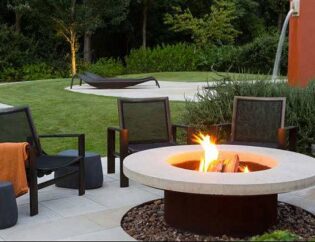
Container plants are among the most vulnerable during hot spells. Pots dry out far faster than garden beds, and plants in terracotta or metal containers can overheat at the roots. Moving containers to a shadier spot during peak afternoon heat, and checking soil moisture daily, will prevent losses. This matters especially for anyone who has invested in patio landscaping ideas with planted containers as a key design feature.
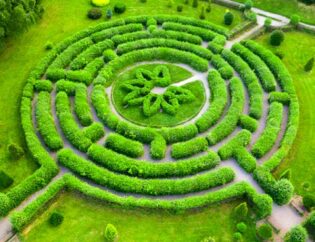
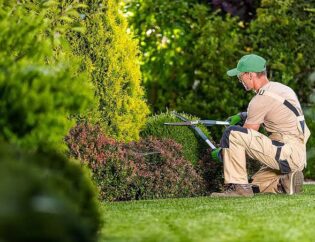
Hedges and privacy landscaping plants like established shrubs generally cope well with heat, but newly planted specimens need extra attention. If you have recently added screening plants or garden edging ideas that include living borders, keep a close eye on them and water at the base rather than overhead.
For anyone thinking about longer-term changes, a heatwave is a natural prompt to reconsider the overall approach to your home garden design. Rain garden design, which captures and uses rainwater runoff efficiently, becomes more relevant as UK summers grow more unpredictable. Incorporating permeable surfaces, drought tolerant garden design principles, and pollinator garden design with native flowering plants are all practical steps that improve both the resilience and the visual quality of your outdoor space.
The broader shift in garden design trends is moving toward landscapes that work with climate rather than against it. That means choosing plants that genuinely suit your conditions, reducing reliance on irrigation, and building soil health over time. These are not just environmental choices — they are practical ones that reduce maintenance, lower costs, and create gardens that look good across all seasons. A well-planned residential landscape design does not need to struggle through summer. With the right foundations in place, it can actually thrive.