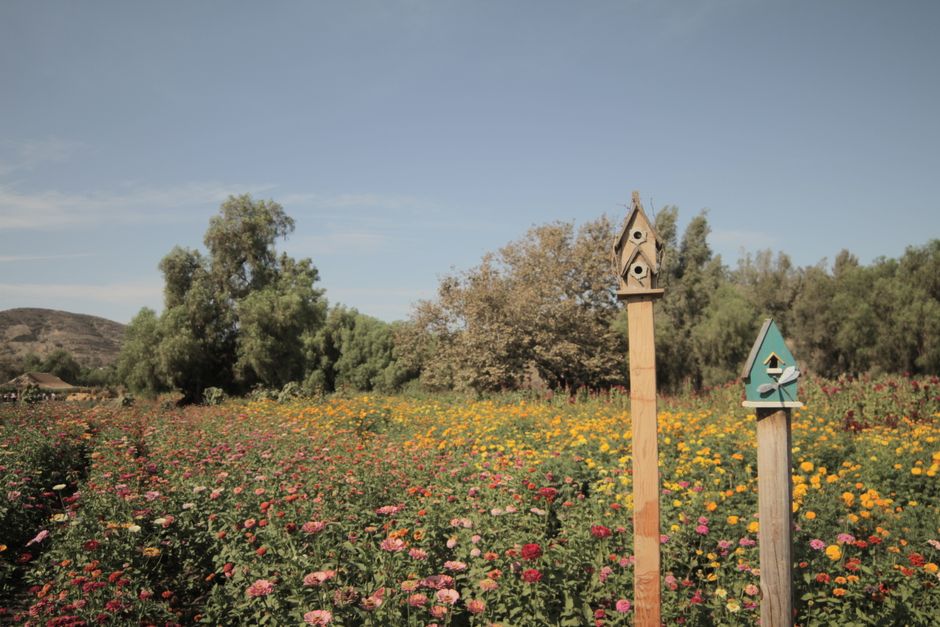
Spring arrived with more rain than usual across the region, and Conservation Garden Park in West Jordan made the most of it. The park’s annual Spring Garden Fair drew visitors eager to explore how thoughtful landscape design can work with nature rather than against it. For anyone thinking about backyard landscaping ideas or planning a front yard landscaping redesign, this event offered a refreshing look at what modern garden design can look like when water is treated as a resource, not a problem.
The fair highlighted how wet conditions, far from being an obstacle, can actually reveal which plants and garden layouts perform best under real-world pressure. Visitors walked through demonstration areas showing native plant garden design, rain garden design, and water-wise landscaping in action. Seeing these concepts during an unusually rainy spring gave attendees a practical, honest view of how different planting designs hold up when the soil is saturated and drainage becomes a real concern.
One of the clearest takeaways from the event was how well-designed rain gardens handled the excess moisture. A rain garden is a shallow, planted depression that collects runoff from roofs, driveways, and lawns, allowing water to soak slowly into the ground rather than rushing into storm drains. When designed properly, they become a beautiful and functional part of residential landscape design, supporting pollinator garden design goals while managing water naturally.
Native plant garden design was another strong theme throughout the fair. Native plants are adapted to local rainfall patterns, which means they handle both dry spells and wet periods far better than many ornamental species. During the rainy spring, the native plant sections of the park looked lush and healthy without any additional irrigation or intervention. This is exactly the kind of low maintenance garden design that homeowners are increasingly looking for, especially those tired of fighting their yard rather than enjoying it.
The fair also featured xeriscape garden design displays, which surprised some visitors who associate xeriscaping only with dry climates. The reality is that xeriscape principles, which focus on soil health, efficient water use, and drought tolerant garden design, are just as relevant in regions with variable rainfall. A garden designed around these ideas performs well whether the season brings too much water or too little.
Martin Palma, founder and CEO of Ecolandscape Studio, has worked with many homeowners who initially resist the idea of replacing traditional lawns with lawn alternatives or native plantings. His experience shows that once people see how these designs perform through a full season, including wet springs and dry summers, their perspective shifts quickly. The plants that thrive without constant intervention, that look good after heavy rain and bounce back during dry stretches, are the ones that make outdoor living space design genuinely enjoyable rather than a source of ongoing maintenance stress.
For anyone inspired by what Conservation Garden Park demonstrated, there are several practical directions worth considering for your own yard landscaping design. Rain garden design works particularly well in low spots where water already tends to collect. Instead of fighting that natural drainage pattern, a properly shaped and planted rain garden turns it into a feature.
Privacy landscaping was another topic touched on at the fair, with native shrubs and ornamental grasses shown as effective alternatives to fencing. These plantings provide screening while also supporting local wildlife and reducing the need for irrigation once established.
Landscape lighting ideas were also on display, showing how simple, low-energy lighting can extend the usability of outdoor spaces into the evening while highlighting planting design and garden edging ideas that might otherwise go unnoticed after dark.
For small backyard design, the fair offered scaled-down versions of many of these concepts, proving that water-wise landscaping and pollinator-friendly planting are not just for large properties. Even a compact patio landscaping setup can incorporate a small rain garden, a few native perennials, and thoughtful garden edging to create something that looks intentional and holds up through changing weather.
Fire resistant landscaping was also part of the conversation, particularly relevant for homeowners in areas where dry summers follow wet springs. Choosing plants that are both drought tolerant and less likely to carry fire is a practical layer of residential landscape design that more people are starting to consider seriously.
The Spring Garden Fair at Conservation Garden Park was a reminder that the best garden design trends are not about aesthetics alone. They are about building outdoor spaces that respond intelligently to the environment, require less intervention over time, and genuinely improve the experience of being outside. Whether you are rethinking your front yard landscaping, planning a new backyard design, or simply looking for ways to make your property more resilient, the principles on display at this event offer a solid and practical starting point.









